The Honda City: A Journey of Four Decades and Global Evolution
Since its inception in 1981, the Honda City has carved an enduring niche in the automotive landscape. More than just a car, it represents Honda’s commitment to innovation, quality, and adaptability, evolving from a quirky, compact urban commuter to a sophisticated global sedan and hatchback recognized for its practicality, fuel efficiency, and engaging driving dynamics. This article delves into the rich history of the Honda City, tracing its lineage through its various generations, model variations, and trim levels, showcasing its remarkable journey over four decades.
First Generation (1981-1986): The Quirky Original
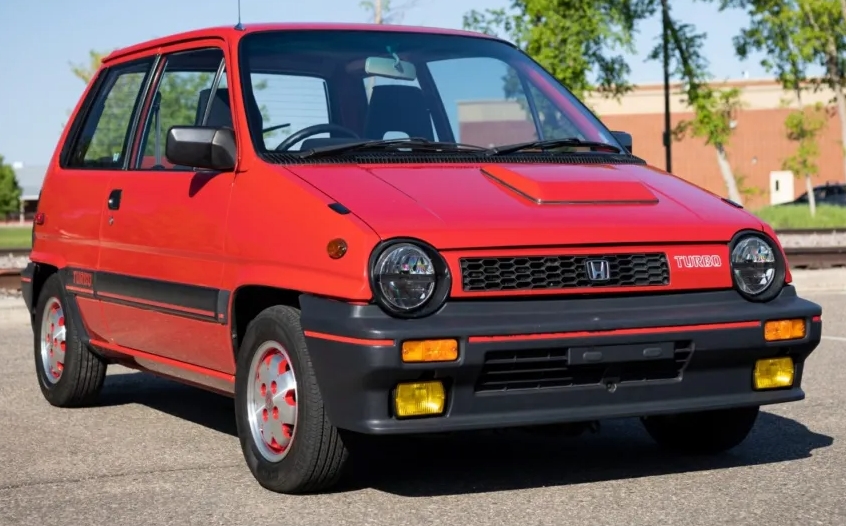
The story of the Honda City begins not as a descendant of larger Honda models, but as a distinctively styled, compact vehicle designed with urban practicality in mind. Introduced in November 1981, the first-generation City was a bold departure from convention. Its defining characteristic was its unique, almost “cab-forward” design, giving it a surprisingly spacious interior for its small footprint.
- Models and Body Styles: The primary body style was a three-door hatchback, often referred to as the “City Pro” in its commercial variant. Honda also offered a more passenger-oriented “City R” and a sportier “City E” trim. Later, a two-door convertible variant, the “City Cabriolet,” was introduced, adding a touch of exclusivity and fun to the lineup. The “City Manhattan” was another special edition that featured a slightly more upmarket interior.
- Engines: The first generation City was powered by a range of small, fuel-efficient engines. The most common were the 1.2-liter (1231cc) CVCC inline-four engines, producing around 60-67 horsepower depending on the specific tune. Some markets also saw a smaller 1.0-liter (993cc) engine.
- Trim Levels: While specific trim names varied by market and year, common distinctions included:
- City R: The base model, offering essential features.
- City E: A slightly more equipped version, potentially with better upholstery or minor convenience features.
- City Pro: A commercial variant, often with a simpler interior and sometimes different seating configurations.
- City Cabriolet: The unique convertible version, featuring a retractable fabric roof.
The first-generation City was a success in Japan and select export markets, lauded for its maneuverability and cost-effectiveness. Its distinctive styling, though perhaps polarizing today, was a hallmark of Honda’s adventurous design spirit.
.

.
Second Generation (1986-1994): Refining the Formula
In October 1986, Honda introduced the second-generation City, building upon the foundation of its predecessor but with a more conventional and less polarizing design. The emphasis remained on urban practicality and fuel efficiency, but with improved refinement and a wider range of features.
- Models and Body Styles: The primary body style was again a three-door hatchback. The “City Pro” commercial variant continued, catering to small businesses. A five-door hatchback joined the lineup, offering even greater practicality for families.
- Engines: The engine range expanded slightly. The most common engines were the 1.2-liter (1231cc) and a new 1.3-liter (1342cc) inline-four, both producing power outputs in the 60-70 horsepower range. A more potent 1.5-liter (1493cc) engine was also available in higher trims, offering a welcome boost in performance.
- Trim Levels: The trim hierarchy became a little more defined:
- City CR-X edition (in some markets): A sportier variant, often with more aggressive styling cues and potentially a slightly tuned engine.
- City CS (Combi-Sport): A more equipped hatchback.
- City CYBORG: This was a more performance-oriented trim, often featuring a more potent engine and sportier suspension.
- City Pro: The commercial version remained.
The second-generation City was a solid performer, appealing to a broader audience with its improved comfort and familiar styling. It continued Honda’s reputation for reliable and efficient small cars.
Third Generation (1996-2002): The “New Basic” Era and a Shift to Sedan
A significant shift occurred with the third generation, launched in September 1996. Honda aimed for a “New Basic” concept, emphasizing a more mature and sophisticated design. Crucially, this generation saw the City transition primarily into a four-door sedan, a format that would define it for many markets going forward.
- Models and Body Styles: The dominant body style became the four-door sedan. However, a three-door hatchback variant, known as the “City CZ-3,” was also offered in some markets, providing a sportier alternative.
- Engines: The engine lineup focused on Honda’s reliable VTEC technology. The most prevalent engines were the 1.3-liter (1342cc) and 1.5-liter (1493cc) inline-four VTEC engines, producing around 90-105 horsepower. These engines offered a good balance of performance and fuel economy.
- Trim Levels: This generation saw a more structured approach to trim levels, often reflecting different equipment and interior appointments:
- City Neo: The base model, offering essential features for budget-conscious buyers.
- City G: A mid-range trim, adding more comfort and convenience features like power windows and air conditioning.
- City EX: The top-tier trim, typically including premium upholstery, alloy wheels, and potentially a better sound system.
- City CZ-3: The sportier three-door hatchback variant.
The third-generation City was a global success, particularly in Asia, where its compact sedan size and Honda’s reputation for quality resonated strongly. It cemented the City as a practical and desirable choice for everyday commuting.
Fourth Generation (2002-2008): The “Global City” Emerges
Launched in late 2002, the fourth generation marked a significant evolution, often referred to as the “Global City” due to its widespread introduction across international markets. The design became sleeker and more aerodynamic, embodying Honda’s “man-maximum, machine-minimum” philosophy.
- Models and Body Styles: The four-door sedan remained the dominant body style. However, this generation also saw a notable resurgence of the hatchback in certain markets, often with a more stylish and sporty design.
- Engines: The engine options were refined to include more efficient and powerful units. The 1.3-liter (1341cc) and 1.5-liter (1497cc) i-DSI (Intelligent Dual & Sequential Ignition) engines were common, known for their fuel efficiency. Later, the more potent 1.5-liter VTEC engine was also offered, providing improved performance. Notably, in some markets, a 1.5-liter i-VTEC engine was introduced, further enhancing the balance of power and economy.
- Trim Levels: The trim structure continued to cater to different needs and preferences:
- City DX: The entry-level trim, focusing on affordability.
- City LX: A popular mid-range trim, offering a good balance of features and value.
- City EX: The higher-end trim, typically equipped with alloy wheels, better interior materials, and additional convenience features like cruise control.
- City VTEC/VTi (in some markets): Sportier versions, often signified by VTEC engines and sportier styling elements.
The fourth-generation City was a remarkable success, particularly in emerging markets like India, Thailand, and the Philippines, where it became a benchmark for its segment. Its blend of contemporary design, efficient powertrains, and Honda’s build quality made it a dominant player.
Fifth Generation (2008-2014): The “New City” and Bold Design
Introduced in November 2008, the fifth generation, marketed as the “New City,” brought a more aggressive and sophisticated design language. The interior space was further optimized, and the car received a significant upgrade in features and technology.
- Models and Body Styles: The four-door sedan remained the core offering. A five-door hatchback variant, often known as the “Honda Jazz” in many markets, shared its platform and many components with the City sedan, though it was marketed separately.
- Engines: The engine lineup primarily featured the refined 1.5-liter i-VTEC engine, celebrated for its smooth power delivery and excellent fuel economy. In some markets, a 1.3-liter i-VTEC engine was also available. This generation also saw the introduction of a 1.5-liter diesel engine in certain markets, catering to the growing demand for diesel options.
- Trim Levels: The trim levels reflected a tiered approach to features:
- City Grade/Base: The most affordable variant with essential features.
- City SV (Special Value): A well-equipped mid-range option.
- City V (Value): A popular trim offering a comprehensive package of features.
- City VX (Value Premium): The top-tier trim, often including leather upholstery, advanced audio systems, and other premium amenities.
- City Hybrid (in select markets): A limited production hybrid variant, showcasing Honda’s commitment to fuel efficiency and alternative powertrains.
The fifth-generation City continued its reign in its key markets, lauded for its stylish appearance, spacious cabin, and advanced features for its class. It solidified its position as a leader in the compact sedan segment.
Sixth Generation (2014-2020): Enhanced Efficiency and Technology
The sixth generation, launched in November 2013, continued the evolution with a design that was more angular and premium. The focus remained on fuel efficiency, practicality, and incorporating modern automotive technologies.
- Models and Body Styles: The primary body style remained the four-door sedan. In some markets, a hatchback variant, again often branded as the Honda Jazz, was available.
- Engines: The dominant powertrain was the 1.5-liter i-VTEC petrol engine, renowned for its efficiency and smooth operation. A 1.5-liter diesel engine was also offered in several key markets, providing a fuel-efficient alternative. This generation also saw the introduction of Honda’s Earth Dreams Technology, emphasizing improved fuel economy and reduced emissions.
- Trim Levels: The trim hierarchy was refined to offer clear distinctions:
- City E: The base model, offering core functionality.
- City S: A step up in features, providing more convenience.
- City V: A well-balanced trim with a good array of amenities.
- City VX: A premium trim, often including advanced infotainment systems, alloy wheels, and more refined interior appointments.
- City ZX (in some markets): The top-tier variant, offering the most comprehensive feature set.
The sixth-generation City was a strong contender, maintaining its popularity through its blend of Honda’s signature reliability, efficient engines, and a modern, comfortable interior.
Seventh Generation (2020-Present): A New Era of Style and Space
The current, seventh generation of the Honda City, introduced in November 2019, represents a significant leap forward. It boasts a more mature and sophisticated design, emphasizing a wider stance and a longer wheelbase, leading to even greater interior space and comfort.
- Models and Body Styles: This generation is offered in two distinct body styles: a sleek four-door sedan and a stylish five-door hatchback (though the hatchback is often marketed as the Honda Jazz in some regions). The City sedan now embodies a more premium and executive presence.
- Engines: The engine lineup continues to prioritize efficiency and performance. The most common offering is the 1.5-liter i-VTEC petrol engine, which has been further refined for better fuel economy and emissions. In some markets, a 1.5-liter i-DTEC diesel engine is also available. Honda has also introduced the City e:HEV hybrid model in select markets, featuring a sophisticated two-motor hybrid system for exceptional fuel efficiency and a refined driving experience.
- Trim Levels: The trim levels for the seventh generation are designed to offer a progressive feature set:
- City V: The entry-level variant, providing essential modern features.
- City VX: A mid-range trim, adding more comfort and technology.
- City ZX: The top-tier variant, encompassing premium features such as an advanced infotainment system with Apple CarPlay and Android Auto, a sunroof, leather upholstery, and advanced safety features.
- City e:HEV: The hybrid variant, often featuring its own unique styling cues and advanced technological integrations.
The seventh-generation Honda City continues to be a formidable player in its segments. Its bold design, class-leading interior space, advanced technology, and efficient powertrains have solidified its reputation as a benchmark for practicality, comfort, and desirability in the global automotive market.
Conclusion
The Honda City’s journey over four decades is a testament to Honda’s unwavering commitment to evolution and customer satisfaction. From its quirky beginnings as a nimble urban commuter to its current status as a sophisticated global sedan and hatchback, the City has consistently adapted to changing market demands and technological advancements. Its enduring appeal lies in its ability to consistently deliver on the core values of reliability, fuel efficiency, practicality, and an engaging driving experience, making it a beloved and trusted companion for millions worldwide. As Honda continues to innovate, the Honda City is poised to remain a significant and influential force in the automotive world for years to come.