The Triumph TR2: A Comprehensive History and Overview
The Triumph TR2 is a classic British sports car that holds a special place in automotive history. Produced between 1953 and 1955, it was the first truly successful model in the TR (Triumph Roadster) sports car line, laying the foundation for the iconic TR series that would span decades. The TR2 combined affordability, performance, and style at a time when postwar Britain was just beginning to reestablish itself in the global automotive market. For many enthusiasts, the TR2 remains a symbol of the optimism and ingenuity that characterized the British motor industry in the 1950s.
Origins and Development
The roots of the Triumph TR2 can be traced back to the Standard Motor Company, which acquired the Triumph name in 1944 after Triumph’s earlier struggles during the Great Depression and the wartime years. In the early 1950s, Standard-Triumph was seeking to enter the lucrative sports car export market, particularly in North America, where MG and Jaguar were already enjoying considerable success.
In 1952, Triumph unveiled a prototype sports car called the TRX, but it was overly complex and costly to produce. It was quickly shelved in favor of a simpler, more affordable approach. Chief Engineer Harry Webster and designer Walter Belgrove were tasked with creating a competitive two-seater. The result was the TR2 prototype, introduced to the public in March 1953 at the Geneva Motor Show.
Production Years and Numbers
The Triumph TR2 was produced from August 1953 to September 1955. In that relatively short production run, a total of approximately 8,636 units were built. While modest by modern standards, these numbers represented a strong showing for a specialist sports car in the early 1950s.
The TR2 was built at the Standard-Triumph factory in Coventry, England. Its success in export markets, particularly the United States, helped establish Triumph as a serious contender in the international sports car scene.
.

.
Specifications and Performance
The TR2 was powered by a 1,991 cc inline four-cylinder engine, derived from the Standard Vanguard saloon. In TR2 form, with twin SU carburetors and other modifications, it produced 90 horsepower at 4,800 rpm. This output was notable for the time, especially in a lightweight roadster weighing around 2,090 pounds (950 kg).
Key performance statistics included:
- Top speed: Approximately 107 mph (172 km/h) — making it the cheapest production car at the time capable of exceeding 100 mph.
- 0–60 mph: Around 12 seconds.
- Transmission: 4-speed manual, with optional overdrive on third and fourth gears.
- Brakes: Drum brakes all around.
- Suspension: Independent coil spring front suspension and a live rear axle with leaf springs.
The combination of respectable performance, relatively low cost, and classic open-top motoring made the TR2 a highly appealing choice for enthusiasts — particularly in the growing American sports car market.
Models and Trim Levels
While the TR2 was not offered in the wide array of trims seen in modern cars, there were notable variations and updates during its production life:
1. Long Door TR2 (Early Production, 1953–1954)
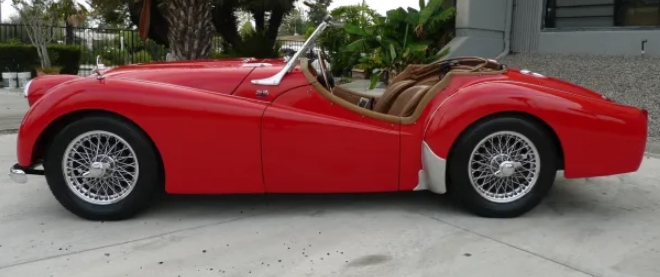
The earliest TR2s featured long doors that extended down over the sills. While stylish, this design made entry and exit more awkward, and the doors were prone to scraping on high curbs. These cars are now often referred to as “long door” TR2s by collectors.
2. Short Door TR2 (Late 1954–1955)
In mid-1954, the TR2 was updated with shorter doors that ended above the sill line. This change improved practicality and reduced the risk of damage. The “short door” TR2s also incorporated minor trim updates and improvements in weather protection.
3. Overdrive Models
Though not a separate trim level, buyers could specify an optional Laycock-de Normanville electrically operated overdrive unit, which was especially desirable for high-speed cruising and fuel economy. Overdrive-equipped cars are sought after today.
4. Competition and Special Versions
While not officially separate trims, Triumph prepared TR2s for competition use. These factory-supported and privateer cars often featured tuned engines, wire wheels, and other modifications for rallying and racing.
The TR2 in Motorsport
The Triumph TR2 quickly made a name for itself in motorsport, particularly in endurance and rally events. Its strong performance, reliability, and affordability made it an appealing choice for privateers and factory teams alike.
Notable achievements include:
- 1954 Le Mans 24 Hours: A TR2 finished 15th overall, a remarkable achievement for a relatively inexpensive sports car.
- Rallying: TR2s competed in events like the Mille Miglia, the Alpine Rally, and various SCCA (Sports Car Club of America) races in the United States.
- Speed Records: In 1953, a TR2 achieved nearly 125 mph on the Jabbeke highway in Belgium, setting a record for the class and proving the car’s capability.
These successes boosted the TR2’s reputation and played a major role in marketing the car to performance-minded buyers.
Design and Styling
The TR2’s design was functional yet attractive, with smooth curves and a purposeful stance. The front end featured a wide, oval grille flanked by large headlamps, while the rear had a simple, rounded tail with minimal ornamentation. The car was offered exclusively as a two-seat roadster, with a removable fabric hood and detachable side screens in place of roll-up windows.
The interior was basic but functional, with a large, clear instrument cluster, bucket seats, and minimal trim. Buyers could choose from a range of paint colors and interior trims, but customization was far less extensive than in modern vehicles. The TR2’s relatively spartan interior reflected its focus on driving pleasure rather than luxury.
Legacy and Influence
The Triumph TR2 was significant for several reasons:
- It established the TR line — The TR2’s success directly led to the development of the TR3, TR4, and subsequent TR models, which would remain in production in various forms until 1981.
- It was an export success — The TR2 helped Triumph penetrate the lucrative North American market, which became critical to the company’s survival and growth.
- It proved that performance could be affordable — At a time when many sports cars were expensive and exclusive, the TR2 offered impressive speed and handling at a price accessible to middle-class enthusiasts.
Collectibility and Market Today
Today, the Triumph TR2 is a sought-after classic car, especially among British sports car aficionados. Early “long door” models are rarer and tend to command higher prices, but all TR2s are valued for their historical significance and driving enjoyment.
As of the 2020s, a well-maintained, roadworthy TR2 might sell for anywhere from $25,000 to $40,000 USD, with exceptional examples or rare competition cars fetching more. Restoration projects can be challenging due to the relative scarcity of certain parts, but a strong network of TR clubs and specialist suppliers helps keep these cars on the road.
Future Outlook
The Triumph TR2’s future in the collector world appears secure. Its combination of historical importance, motorsport pedigree, and engaging driving experience means it will likely remain desirable for decades to come. Factors influencing its collectibility in the future include:
- Enthusiast Support: The active global Triumph community ensures that knowledge, parts, and restoration expertise remain accessible.
- Classic Car Market Trends: As with many vintage British sports cars, values may fluctuate, but the TR2’s role in Triumph’s history gives it lasting appeal.
- Historic Motorsport: Continued participation in classic rallies and historic racing events will keep the TR2 visible and relevant.
While the Triumph brand no longer produces cars — having been absorbed into various corporate structures over the years — the TR2 remains a reminder of what the company once represented: spirited, affordable sports motoring.
Conclusion
The Triumph TR2 was more than just a sports car; it was a statement. At a time when Britain was rebuilding after the war, it demonstrated that the country could produce world-class performance cars that were both affordable and competitive. From its modest Coventry origins to its exploits on racing circuits and rally stages, the TR2 left an enduring legacy.
Produced only from 1953 to 1955 in just over 8,600 units, the TR2’s brief production run belies its importance. It carved out a niche in the sports car market, won the hearts of drivers on both sides of the Atlantic, and paved the way for the legendary Triumph TR series. Today, it remains a cherished classic, celebrated not only for its performance and style but also for its role in shaping the history of the British sports car industry.