The Toyota Rumion: A Comprehensive Overview
The Toyota Rumion is a compact multi-purpose vehicle (MPV) that blends practicality, efficiency, and affordability—a combination that has made it a popular choice in various global markets. While the Rumion nameplate is not as universally recognized as Toyota’s global bestsellers like the Corolla or Hilux, it is part of the automaker’s strategy to diversify its lineup and adapt to the needs of regional markets. Over the years, the Rumion has been offered in different forms, including as a rebadged version of other Toyota or Suzuki models, depending on the market.
This article explores the history, production years, models, trim levels, and market positioning of the Toyota Rumion, as well as its future outlook.
1. Origins and History
The Toyota Rumion has existed in two distinct generations—each with different market focuses and underlying platforms.
First Generation (2007–2015)
The original Toyota Corolla Rumion was launched in Japan in October 2007 as a boxy, compact MPV/hatchback based on the Toyota Corolla platform. It was essentially the Japanese domestic market (JDM) version of the Toyota Rukus (Australia) and Scion xB (United States). Toyota aimed it at younger buyers who wanted a vehicle with a stylish, practical, and spacious interior yet compact enough for urban driving.
The first-generation Rumion shared Toyota’s versatile New MC platform, which underpinned many models, including the Toyota Corolla, Auris, and RAV4 of that era. The model was produced until 2015 in Japan, after which it was discontinued in its original form.
Key characteristics of the first-generation Corolla Rumion included:
- Boxy exterior styling for maximum interior space.
- Choice of small to mid-sized petrol engines—1.5-liter and 1.8-liter inline-four units.
- Front-wheel drive (FWD) and available all-wheel drive (AWD) for certain trims.
- CVT automatic transmission or 4-speed automatic for base versions.
Second Generation / Reintroduction in Emerging Markets (from 2021)
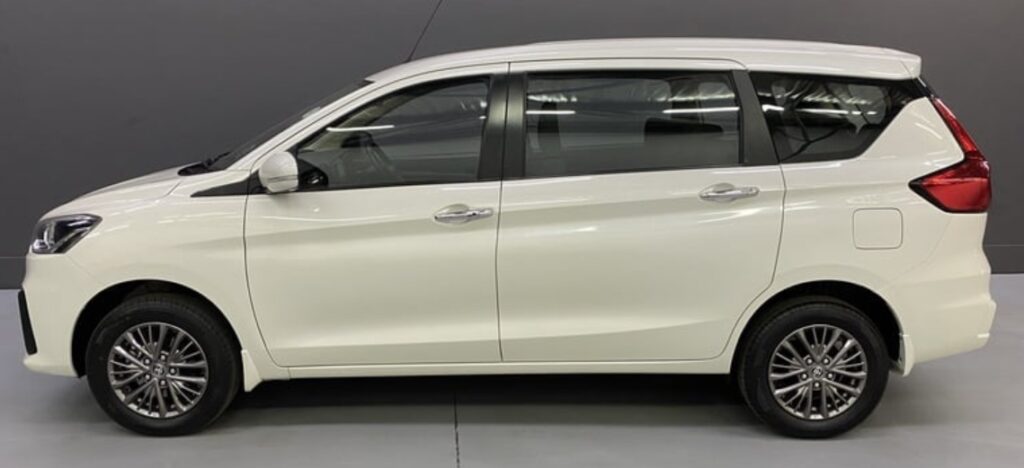
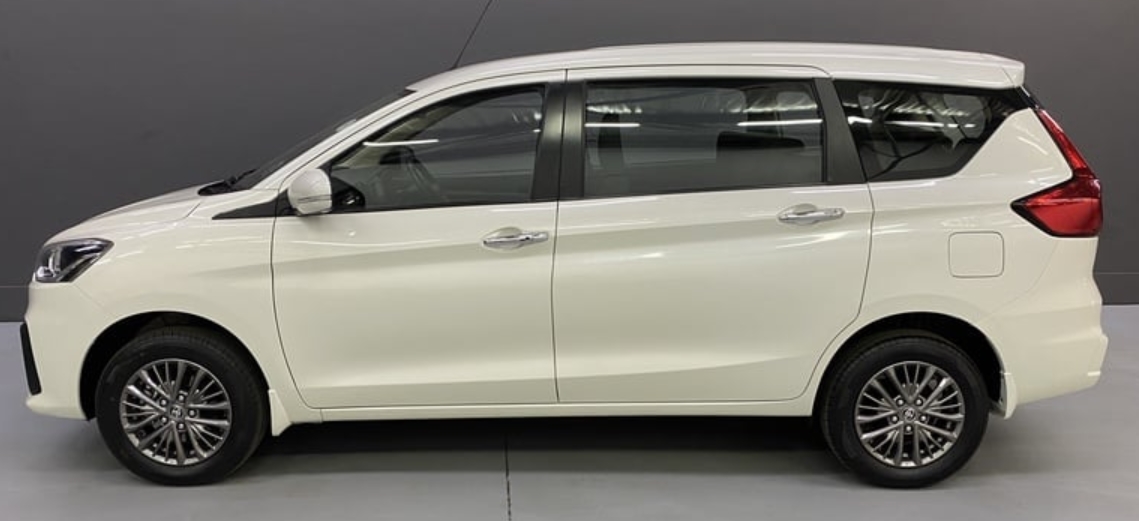
After a hiatus, the Rumion name resurfaced in 2021, this time in the South African, Indian, and select African markets. This newer Rumion is not related to the original boxy Corolla-based model but is instead a rebadged version of the second-generation Suzuki Ertiga MPV.
This rebadging is the result of the Toyota–Suzuki alliance, where the two automakers share models to expand their reach in specific markets. The Suzuki Ertiga’s platform, known for its efficiency and affordability, was adapted to Toyota’s styling cues and branding to create the Rumion.
The 2021–present Rumion is positioned as a compact MPV with seating for up to seven passengers, aimed at families and taxi operators in markets where value for money is a key purchase driver.
.

.
2. Production Years and Markets
- 2007–2015: First-generation Toyota Corolla Rumion (Japan Domestic Market, with equivalents in other regions under different names).
- 2021–Present: Toyota Rumion (based on Suzuki Ertiga, sold in India, South Africa, and selected African countries).
3. Models and Trim Levels
First-Generation Corolla Rumion (2007–2015)
In Japan, the Corolla Rumion was offered in several trim levels, typically differentiated by equipment, drivetrain, and engine size. Common trims included:
- 1.5X – Entry-level trim with a 1.5L engine, basic interior features, and standard safety equipment.
- 1.5G – Mid-grade trim with improved interior appointments and optional AWD.
- 1.8S – Sportier styling elements, larger alloy wheels, and a 1.8L engine.
- 1.8S Aero Tourer – Sport-focused variant with aerodynamic body kits and enhanced interior finishes.
- 1.8S Aero Tourer Special Editions – Limited-run models with exclusive colors and accessories.
- 1.5X/1.8S “Smart Package” – Added convenience features such as push-button start and upgraded infotainment.
Second-Generation (2021–Present, Suzuki Ertiga-based Rumion)
The trim structure varies slightly by market.
In South Africa, Toyota offers the Rumion in the following trims:
- Rumion S – Base model with manual air conditioning, fabric seats, and a basic audio system.
- Rumion SX – Mid-level with color touchscreen infotainment, alloy wheels, and added comfort features.
- Rumion TX – Range-topping trim with advanced infotainment, more premium interior finishes, and additional convenience features.
In India, the Rumion trims largely mirror those of the Suzuki Ertiga, with Toyota-specific badging and styling:
- S – Basic entry-level variant.
- G – Mid-range with enhanced comfort and infotainment.
- V – High-end variant with premium features.
- V AT – Automatic transmission version of the top trim.
4. Technical Specifications
First-Generation Corolla Rumion (2007–2015)
- Engines:
- 1NZ-FE: 1.5L inline-four, approx. 110 hp
- 2ZR-FAE: 1.8L inline-four with Valvematic technology, approx. 136 hp
- Transmission: CVT (Continuously Variable Transmission) or 4-speed automatic
- Drive layout: FWD or optional AWD
- Dimensions:
- Length: ~4,210 mm
- Width: ~1,760 mm
- Height: ~1,640 mm
- Seating: Five-passenger configuration
- Fuel economy: 14–16 km/L depending on engine and drivetrain
Second-Generation Rumion (2021–Present)
- Engine:
- K15B: 1.5L inline-four petrol engine, ~103 hp and 138 Nm torque
- Transmission: 5-speed manual or 4-speed automatic
- Drive layout: FWD
- Dimensions:
- Length: ~4,395 mm
- Width: ~1,735 mm
- Height: ~1,690 mm
- Seating: Seven-passenger configuration (three rows)
- Fuel economy: Around 18–20 km/L (market dependent)
- Platform: Suzuki’s HEARTECT platform, designed for light weight and efficiency
5. Market Position and Appeal
The Rumion’s appeal has varied depending on its generation and market positioning:
- First Generation: Targeted at style-conscious urban drivers in Japan who wanted a small but spacious vehicle. It had a more youthful and unconventional design compared to the mainstream Corolla sedan.
- Second Generation: Aimed at budget-conscious families and fleet operators in emerging markets. The focus is on value for money, space, and fuel efficiency rather than sporty appeal.
6. Safety and Technology
First Generation:
The original Rumion came standard with features like ABS (Anti-lock Braking System), airbags, and in higher trims, stability control. Infotainment was basic by today’s standards, but higher variants offered navigation and upgraded audio systems.
Second Generation:
The current Rumion benefits from Suzuki’s latest MPV technology, including:
- Dual airbags (driver and passenger)
- ABS with EBD (Electronic Brakeforce Distribution)
- Rear parking sensors (higher trims with reverse camera)
- Touchscreen infotainment with smartphone integration (in mid and high trims)
- ISOFIX child seat anchors
7. Competitors
The Rumion competes in the compact MPV segment. Competitors vary by market but may include:
- Suzuki Ertiga (its twin model)
- Honda BR-V
- Mitsubishi Xpander
- Renault Triber
- Mahindra Marazzo
8. Sales Performance and Reception
The first-generation Corolla Rumion was moderately successful in Japan but was considered a niche model. It appealed to those who found the standard Corolla too conventional but wanted Toyota reliability.
The second-generation Rumion, by leveraging the proven Ertiga platform, has enjoyed better traction in markets like South Africa and India, where MPVs are in demand for both personal and commercial use. Buyers appreciate its low running costs, spacious interior, and Toyota’s aftersales network.
9. Future Outlook
Given Toyota’s growing collaboration with Suzuki, it is likely that the Rumion will continue as a rebadged version of the Ertiga or its successors in emerging markets. Future models may incorporate:
- Hybrid powertrains, as Toyota gradually electrifies its lineup in line with global emissions standards.
- Enhanced safety technology, including more advanced driver-assistance systems.
- Connectivity upgrades, with larger infotainment screens and improved smartphone integration.
Toyota’s focus in this segment will likely remain on affordability, durability, and practicality rather than premium features, ensuring the Rumion continues to be attractive to value-conscious customers.
10. Conclusion
The Toyota Rumion’s story is one of adaptation. From its origins as a quirky Corolla-based hatchback in Japan to its rebirth as a practical MPV for emerging markets, the Rumion nameplate has evolved to meet different regional needs. While the first generation targeted a youthful domestic audience with distinctive styling, the modern Rumion prioritizes space, efficiency, and affordability.
As Toyota continues its strategic alliance with Suzuki, the Rumion is poised to remain a staple in markets where compact MPVs are in high demand. With potential electrified variants on the horizon and ongoing improvements in safety and infotainment, the Rumion is well-positioned to continue serving families and commercial operators for years to come.