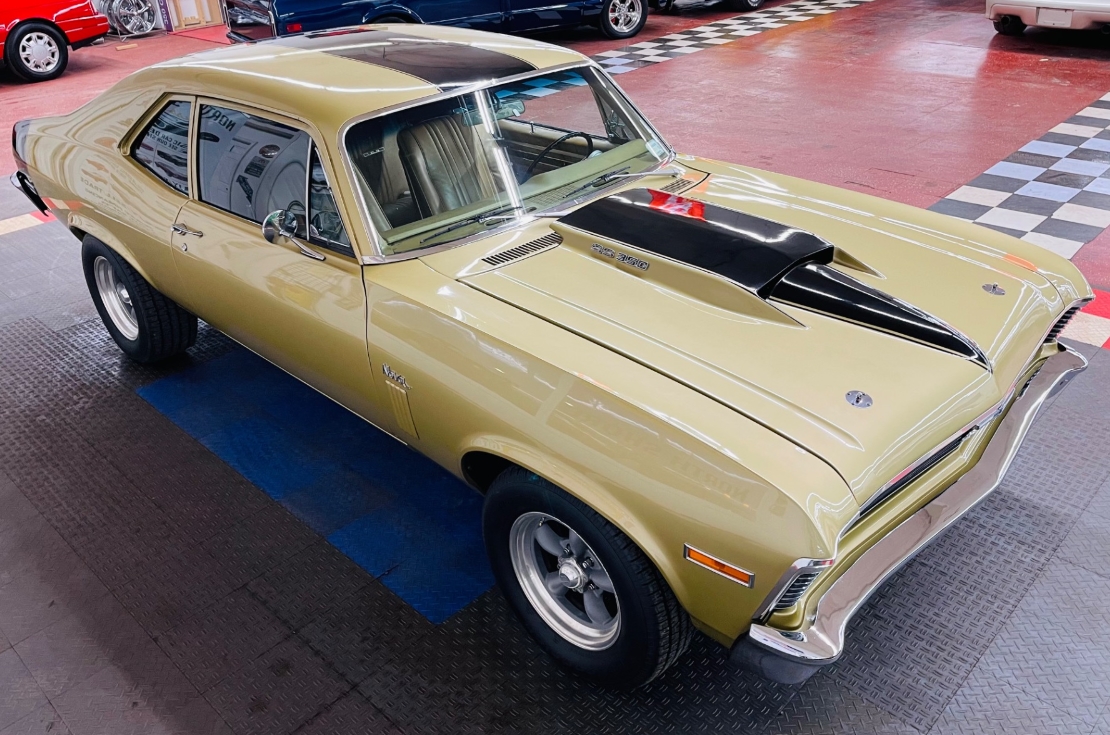
Baldwin-Motion (Chevrolet) Nova: The Evolution of an American Muscle Legend
During the golden age of American muscle cars in the late 1960s and early 1970s, a small New York-based Chevrolet dealership and speed shop partnership made an outsized impact on performance culture. The Baldwin-Motion Performance Group carved out a place in automotive history by transforming brand-new Chevrolets into dealer-built “supercars” with performance rarely seen outside of purpose-built race cars. Among these rare and powerful vehicles, the Baldwin-Motion Nova remains one of the most coveted and intriguing. This article explores the evolution of the Baldwin-Motion Nova, the historical context of its creation, the various models and performance packages offered, approximate production years, and its lasting legacy in the muscle car world.
The Baldwin-Motion Partnership: Origin and Purpose (1967–1974)
The Baldwin-Motion Performance Group was born from a partnership between Baldwin Chevrolet — a franchised Chevrolet dealership in Baldwin, Long Island, New York — and Motion Performance, a high-profile speed shop run by Joel Rosen. Beginning in 1967 and continuing through the mid-1970s, this partnership offered dealer-built specialty cars that combined factory Chevrolet vehicles with bespoke performance upgrades and custom trim.
Motion Performance had developed a strong reputation in the early 1960s building and tuning high-performance Chevrolets, and by the late 1960s the shop had become one of the most sought-after performance specialists on the East Coast. Baldwin Chevrolet and Motion Performance capitalized on this reputation by marketing and selling performance-enhanced Chevrolet models — including the Nova — that were delivered to customers with powerful engines, upgraded suspensions, custom bodywork, and distinctive Baldwin-Motion badging. These cars were marketed as supercars and even came with a warranty backed by Joel Rosen’s performance guarantee, promising at least 120 mph in the quarter-mile under qualified conditions.
The Chevrolet Nova and the Baldwin-Motion Approach
To understand the Baldwin-Motion Nova, it’s important to note the base vehicle’s place in Chevrolet’s lineup. The Chevrolet Nova — originally introduced as the Chevrolet Chevy II in 1962 and later branded simply as Nova — was a compact car produced in multiple generations between 1962 and 1979 (with a later revival in the 1980s). By the late 1960s, the Nova had evolved into a platform capable of housing performance-oriented powerplants and hardware, including small-block and big-block V8 engines.
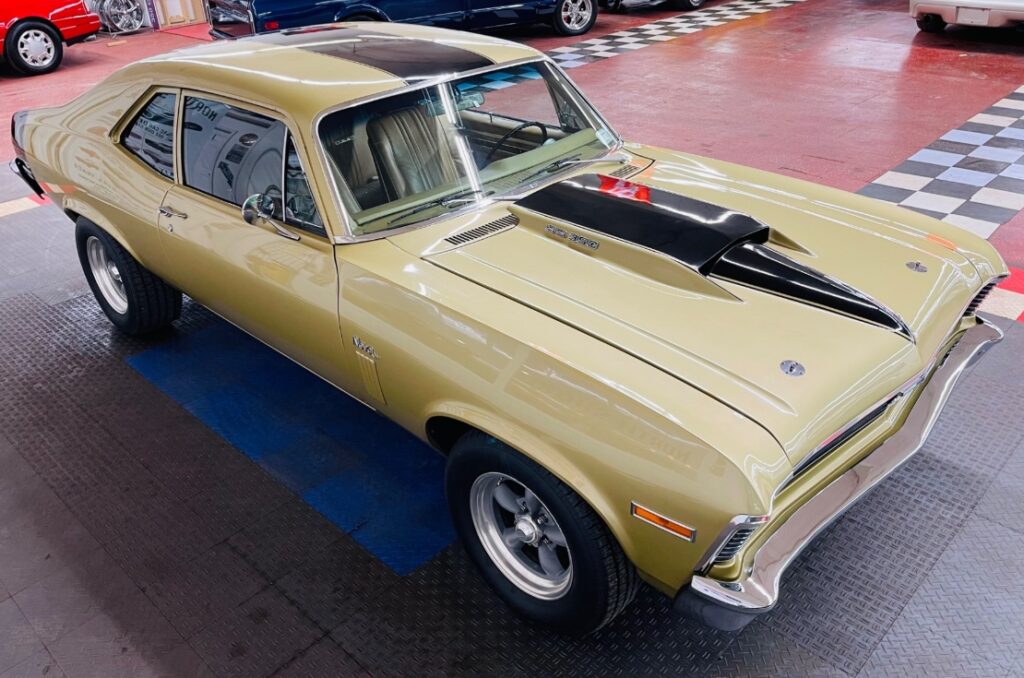
Unlike Chevrolet’s factory “big-block” models, a Baldwin-Motion Nova was not a discrete “trim level” in the traditional automotive sense. Instead, these were custom-built performance cars that started life as a stock Nova — typically a Nova SS or comparable model — and were then transformed with a range of high-performance modifications based on customer preferences and performance goals.
.

.
Baldwin-Motion Nova Models and Performance Versions
SS-427 Nova (Late 1960s)
One of the earliest and most iconic Baldwin-Motion Novas was the SS-427 Nova, offered in the late 1960s as part of Baldwin-Motion’s initial performance lineup. SS-427 cars were recognizable by their performance cues, including:
- A big-block Chevrolet 427 cubic-inch V8 engine, often producing well over 400 hp (gross)
- High-performance carburetion, intake manifolds, and custom Motion tuning
- Modified suspension and braking components for improved handling
- Distinctive SS-427 badging and a “Phase III” style hood scoop
- Optional race-ready components such as headers, traction bars, and mag wheels
These cars were considered serious performance machines in their era, pairing a relatively light compact chassis with a powerful big-block V8 and aggressive tuning. A Baldwin-Motion SS-427 Nova typically delivered performance levels comparable to the best muscle cars of the time, including quarter-mile passes in the low 12-second range under proper conditions.
Phase III SS-427 Nova (Late 1960s – Early 1970s)
As Baldwin-Motion’s reputation grew, so did the sophistication of its performance offerings. The Phase III SS-427 Nova represented an elevated level of performance and engineering. “Phase III” was Baldwin-Motion’s designation for its top-tier performance upgrades — often including:
- Enhanced engine tuning and higher compression ratios
- Revamped induction systems and Holley carburetion
- Motion-designed headers and exhaust systems
- Upgraded suspension and braking packages
- Unique exterior trim and hood designs
Phase III cars were marketed as dealer-built supercars, with a written performance guarantee from Joel Rosen promising predictable quarter-mile performance. Baldwin-Motion Phase III Novas were among the quickest production-based cars of their era, with horsepower figures frequently exceeding 450 hp and, in some cases, over 500 hp when fully optioned with big-block enhancements.
Other Baldwin-Motion Nova Variants
Although not as extensively documented as the SS-427 and Phase III versions, Baldwin-Motion also offered variations that could include:
- Modified small-block Nova SS derivatives, using high-performance small-block engines with dual four-barrel carburetors or Motion-tuned ignition systems
- Customized aesthetic and trim options, such as distinctive wheel packages, hood scoops, decals, and badges unique to Baldwin-Motion conversions
Because Baldwin-Motion vehicles were largely built to order, the exact range of options and combinations varied widely from car to car — making each Nova somewhat unique based on the customer’s specifications.
Years of Production and Approximate Numbers
The Baldwin-Motion Nova was produced as part of the Baldwin-Motion Performance Group’s offerings primarily between 1967 and 1974, the peak years of the partnership. During this period, Baldwin-Motion created dealer-built versions of Camaros, Novas, Chevelles, Corvettes, and other Chevrolet models, all converted with performance hardware and trim by Motion Performance.
However, exact production figures for Baldwin-Motion Novas are difficult to determine. Because many cars were built to order — often modified after initial delivery — and original records were not always preserved, accurate counts do not exist. Estimates for all Baldwin-Motion cars (including Camaros, Novas, Corvettes, etc.) range from 300 to 500 units built across all models during the “supercar” years. Within that total, the Nova remains one of the rarer examples, with only a handful of documented Baldwin-Motion Novas believed to exist today.
Performance and Engineering Characteristics
A Baldwin-Motion Nova stood apart from typical production cars of its era due to its combination of power and engineering sophistication:
- Engine Options: Baldwin-Motion Novas often featured Chevrolet 427 ci big-block V8s from the factory arsenal, enhanced by Motion Performance’s bespoke tuning and induction systems. Some Phase III cars also used modified small-block engines designed for high-performance street or drag use.
- Performance Guarantees: Unique among specialty car builders at the time, Baldwin-Motion often backed its performance claims with written guarantees of performance times — an unheard-of marketing tactic for dealer-built cars in that era.
- Custom Trim and Badging: Baldwin-Motion cars carried unique decals, badging, and trim options, including hood scoops, side stripes, and mag wheels, as well as interior detailing that set them apart from standard factory offerings.
The resulting cars were not merely cosmetically altered showpieces but highly competitive street and strip performers, capable of delivering muscle-car excitement on both the drag strip and the highway.
Cultural Impact and Collectibility
Today, Baldwin-Motion Novas — particularly the Phase III SS-427 variants — are among the most sought-after muscle cars for collectors and enthusiasts. Their rarity, combined with the dealer-built performance pedigree and historical significance, has driven interest among vintage muscle car buyers worldwide. Surviving examples often command high prices at auctions and private sales due to their scarcity and the enduring appeal of 1960s-era muscle.
Part of their collectible appeal lies in their story: unlike many aftermarket performance builds, Baldwin-Motion vehicles were originally sold as turnkey high-performance cars with a performance guarantee and the ability to be financed like any other new car. This unique market position — blending a dealership sales channel with performance customization — makes them a fascinating chapter in the broader narrative of American muscle car history.
Legacy and Future Outlook
The Baldwin-Motion Nova, though a product of a bygone era, continues to resonate with enthusiasts for several reasons:
- Engineering Ingenuity: The performance upgrades implemented by Motion Performance remain examples of what could be achieved with skilled tuning and mechanical expertise long before modern forced induction and electronic tuning.
- Historic Significance: Baldwin-Motion represents a unique moment in American automotive history when dealer-built performance cars competed directly with factory muscle offerings and other specialty builders like Shelby and Yenko.
- Restoration and Preservation: As more collectors seek to preserve automotive history, Baldwin-Motion Novas are increasingly restored to original specification, retaining or enhancing performance and aesthetics.
While the original Baldwin-Motion Performance Group ceased regular production in the mid-1970s, the brand and its cars remain important artifacts of the muscle car era. There are occasional modern Baldwin-Motion or Motion-branded projects — such as restomods or homage builds — but none have achieved the same historical stature as the original dealer-built supercars of the late 1960s and early 1970s.
The Baldwin-Motion Nova stands as a powerful symbol of American muscle car performance and customization. Born from the creative partnership of a Chevy dealership and a performance speed shop, these rare vehicles took the compact Nova platform and injected it with big-block power, custom engineering, and a level of performance that rivaled the best factory muscle cars of the era. While not issued as factory trim levels, Baldwin-Motion Novas were bespoke builds tailored to customer desires and performance goals — making each one unique and highly collectible today. Their legacy continues to inspire collectors, restorers, and fans of high-performance classics alike.