The Evolution of the Soueast DX5 & DX7: From Mitsubishi Roots to Modern Crossovers
The rise of Chinese automakers in the global SUV market has produced a wide variety of vehicles, but few illustrate this evolution as clearly as the Soueast DX5 and DX7. Developed by Soueast Motors—a joint venture originally backed by Fujian Motor Industry Group and Mitsubishi Motors—these two crossover SUVs represent different stages of the brand’s design, engineering, and global ambitions.
This article explores the history, development, trims, and future outlook of both models, along with their broader significance in Soueast’s lineup.
A Brief History of Soueast Motors
Founded in 1995, Soueast Motors initially focused on licensed production of Mitsubishi-based vehicles. Over time, it transitioned into developing its own lineup of sedans and SUVs, culminating in the “DX” series of crossovers. Mitsubishi’s involvement—particularly in engine supply and engineering—played a major role in shaping early models.
By the mid-2010s, Soueast began emphasizing independent design, often collaborating with Italian design house Pininfarina. This shift is evident in both the DX7 and later DX5.
.
THIS could come in handy for your auto garage (and everywhere else!):

.
The Soueast DX7: The Flagship Pioneer (2015–2023)
Launch and First Generation (DX7 Bolang: 2015–2018)
The Soueast DX7 debuted in 2015 as the brand’s first serious attempt at a modern SUV. It was previewed by the R7 concept and positioned as a mid-size crossover.
Production years: 2015–2018 (initial version)
Engines and Mechanical Layout
- 1.5L turbocharged inline-4 (approx. 154 hp)
- 2.0L turbocharged inline-4 (approx. 190 hp)
- 6-speed manual or 6-speed automatic transmissions
These engines were derived from Mitsubishi technology, reinforcing reliability and international appeal.
Trim Levels (Typical Early Offerings)
While exact naming varied by market, common trims included:
- Base / Standard
- Comfort
- Luxury
- Premium
By 2017–2018, more descriptive trims emerged in China, such as:
- “Elite”
- “Luxury Intelligent”
- “Flagship”
These trims generally differed in infotainment, safety tech, and interior materials.
First Facelift: DX7 Prime (2018–2020)
In 2018, Soueast introduced the DX7 Prime, a mid-cycle refresh aimed at improving competitiveness.
Production years: 2018–2020
Key Updates
- Revised exterior styling (sportier front fascia)
- Improved interior quality
- Introduction of dual-clutch transmission (DCT)
Trim Structure
Expanded trims included:
- Fashion Edition
- Intelligent Connectivity Edition
- Starry Sky Edition
- Flagship Edition
- Supreme Edition
These trims emphasized connectivity features such as larger infotainment screens and smartphone integration—reflecting growing consumer expectations in China.
Second Facelift: DX7 Xingyue (2020–2023)
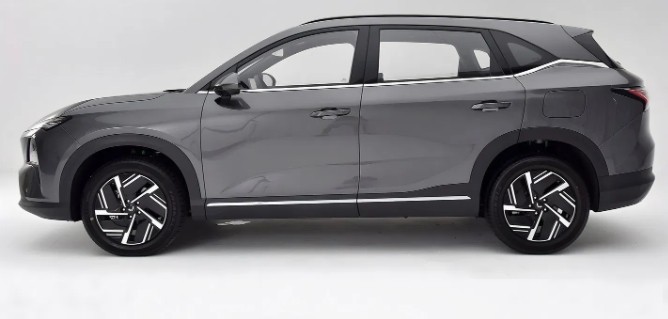
The most substantial update came in 2020 with the DX7 Xingyue.
Production years: 2020–2023
Mechanical Improvements
- New 1.5L turbo engine (approx. 176 hp)
- 7-speed dual-clutch transmission
- Retuned suspension system
Technology Advancements
- Adaptive cruise control
- Lane-keeping assist
- Automatic braking
- Self-parking capability
This marked Soueast’s move toward semi-autonomous driving features.
Trim Levels
Typical trims included:
- Base / Comfort
- Deluxe
- Premium
- Intelligent Connected Flagship
The focus shifted toward safety tech and digital interfaces rather than purely mechanical upgrades.
End of Production
The DX7 was discontinued around 2023 as Soueast underwent restructuring and transition under new ownership.
The Soueast DX5: A Modern Subcompact Entry (2019–Present)
Introduction and Market Position
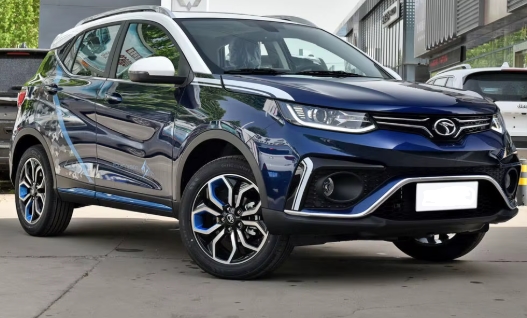
The Soueast DX5 was launched in 2019 as a smaller, more affordable companion to the DX7.
Production years:
- China: 2019–2023
- Export markets: 2024–present
Positioned between the DX3 and DX7, the DX5 targeted younger buyers and urban drivers.
Design and Platform
Designed by Pininfarina, the DX5 adopted a sportier, more contemporary look compared to the DX7’s earlier styling.
It shares a platform with the DX3, emphasizing:
- Compact size
- Front-wheel-drive layout
- Urban usability
Powertrain Options
The DX5 offered simpler engine choices:
- 1.5L naturally aspirated (approx. 120 hp)
- 1.5L turbocharged (approx. 156 hp)
Transmission options included:
- 5-speed manual
- 6-speed automatic
- CVT (simulated 8-speed)
Trim Levels (2019 Launch Range)
At launch, the DX5 was available in six variants, though exact names varied by market.
Common trim tiers included:
- Base / Standard
- Comfort
- Elite
- Luxury
- Premium
- Flagship
These trims primarily differed in:
- Infotainment size
- Seat materials
- Driver-assistance features
- Exterior styling packages
Pricing ranged from approximately $10,000 to $14,000 USD equivalent, making it highly competitive.
Variants and Global Rebadging
One notable aspect of the DX5 is its global adaptability:
- Sold as Jetour X50 in several export markets
- Rebranded as Soueast S05 in some regions
- Produced in Iran under alternative branding
This reflects Soueast’s strategy of leveraging partnerships and rebranding for international expansion.
Post-2023 Evolution
Although discontinued in China, the DX5 continues in export markets under new branding and updated styling. A refreshed version (S05) emerged around 2025, closely related to Jetour products.
Comparing the DX5 and DX7
| Feature | DX5 | DX7 |
|---|---|---|
| Segment | Subcompact SUV | Mid-size SUV |
| Production Start | 2019 | 2015 |
| Production End (China) | 2023 | 2023 |
| Drive Layout | FWD | FWD / AWD variants |
| Engine Range | 1.5L NA / Turbo | 1.5L, 1.8L, 2.0L turbo |
| Focus | Affordability, urban use | Performance, space, technology |
The DX7 served as a flagship and technology testbed, while the DX5 emphasized affordability and global reach.
Design and Engineering Influence
Both vehicles benefited from:
- Italian design (Pininfarina)
- Mitsubishi-derived engines (especially early DX7 models)
- Gradual shift toward in-house development
This combination allowed Soueast to balance cost efficiency with international appeal.
Market Reception and Challenges
The DX7 initially helped boost Soueast’s sales, contributing to the brand’s peak around 2017. However, increasing competition in China’s SUV market led to declining sales.
The DX5, while competitively priced, entered a crowded segment dominated by domestic rivals offering similar features.
Additionally, Mitsubishi’s withdrawal from the joint venture in 2021 marked a turning point, forcing Soueast to rethink its strategy.
Future Outlook
Following its acquisition by Chery in 2024, Soueast is undergoing a major transformation.
Key Trends Going Forward:
- Greater integration with Chery and Jetour platforms
- Expansion into global markets (Middle East, Latin America, Southeast Asia)
- Electrification and hybrid development
- Continued rebadging strategies (e.g., DX5 → Jetour X50)
While the DX7 has effectively reached the end of its lifecycle, its role as a technological stepping stone remains important. The DX5, meanwhile, continues to evolve in international markets under new identities.
The Soueast DX5 and DX7 illustrate two different phases of the same brand’s journey. The DX7 marked Soueast’s entry into modern SUV manufacturing, leveraging Mitsubishi technology and gradually adding advanced features. The DX5 represented a shift toward affordability, design sophistication, and global scalability.
Together, they highlight how a regional Chinese automaker adapted to changing market demands, evolving from joint-venture dependency to a more independent and globally focused manufacturer.
As Soueast moves forward under new ownership, the legacy of these models will likely continue—not in name, but in the platforms and strategies that shape the company’s next generation of vehicles.