The Riich G5: Chery’s First True Premium Sedan and Its Evolution in a Changing Market
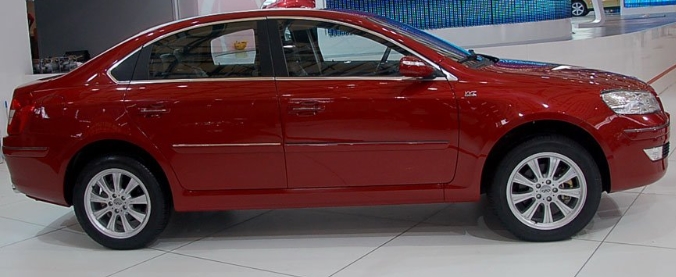
The Riich G5 stands as one of the most ambitious early efforts by Chery Automobile to compete in the global mid-size sedan segment. Introduced under the now-defunct Riich division, the G5 was designed to elevate the company’s image, combining European styling, turbocharged performance, and advanced features for its time.
Produced between 2009 and 2013, the Riich G5 represents a pivotal chapter in Chery’s evolution—bridging the gap between budget-oriented vehicles and more refined, globally competitive sedans. This article explores the development, trim levels, engineering, and long-term legacy of the Riich G5.
Origins of the Riich Brand and the G5 (2009)
The Riich G5 was born out of Chery’s ambitious multi-brand strategy, launched in 2009. The Riich division was intended to serve as a more premium alternative to Chery’s mainstream offerings, focusing on improved quality, design, and technology.
The G5 played a crucial role in this strategy:
- It was one of the first core models of the Riich lineup
- Positioned as a mid-size executive sedan
- Designed to compete with global vehicles such as the Ford Mondeo and Audi A4
The model debuted at the 2009 Shanghai Auto Show, marking Chery’s entry into a more competitive segment.
.

.
Production Timeline and Overview
First and Only Generation (2009–2013)
- Years produced: 2009–2013
- Class: Mid-size sedan (D-segment)
- Body style: Four-door sedan
- Assembly: Wuhu, Anhui, China
The Riich G5 remained a single-generation vehicle, with no major redesigns during its lifecycle. Instead, its evolution consisted of incremental updates in features and trim offerings.
Production volumes were relatively modest, reflecting the challenges faced by the Riich brand in establishing itself in a competitive market.
Design Evolution and European Influence
Bertone Collaboration
One of the defining aspects of the Riich G5 was its design, developed in collaboration with the Italian design house Gruppo Bertone.
The design emphasized:
- Clean, conservative styling
- Balanced proportions
- A premium, European-inspired aesthetic
This collaboration marked an important step forward for Chery, signaling its intent to appeal to international markets.
Dimensions and Proportions
The G5’s size placed it firmly in the mid-size sedan category:
- Length: ~185.7 inches (4717 mm)
- Width: ~70.6 inches (1794 mm)
- Height: ~58 inches (1473 mm)
- Wheelbase: ~106.3 inches (2700 mm)
These dimensions made it comparable to established global sedans, reinforcing its positioning as a serious competitor.
Interior and Technology Features
The interior of the Riich G5 represented a significant upgrade over earlier Chery models:
- Dual-zone automatic climate control
- Touchscreen infotainment system with navigation and DVD playback
- Cruise control and rear parking sensors
- Optional rear-seat entertainment screens
Higher trims also included:
- Leather upholstery
- Xenon headlights
- Tire pressure monitoring system
- Multiple airbags and stability control systems
These features were competitive for the early 2010s, particularly in the Chinese domestic market.
Powertrain and Engineering
Single Engine Strategy
Unlike many competitors, the Riich G5 relied on a single primary engine throughout its production run:
- 2.0-liter turbocharged inline-4 (SQR484B)
- Output: ~168 horsepower (125 kW)
- Torque: ~235 Nm
This engine featured:
- Turbocharging with intercooler
- Compliance with Euro IV emissions standards
- Fuel consumption of approximately 36 mpg at steady speeds (converted)
Transmission Options
- 6-speed manual transmission
- 5-speed automatic transmission
The availability of both manual and automatic gearboxes allowed the G5 to appeal to a broader range of buyers.
Performance
- Top speed: ~130 mph (210 km/h)
- 0–62 mph: ~10.9 seconds
While not a performance-focused vehicle, the G5 offered respectable acceleration and highway capability for its class.
Models and Trim Levels (2009–2013)
The Riich G5 featured a tiered trim structure, with variations primarily based on equipment levels rather than engine options.
1. Base / Standard Trim (2009–2013)
- 2.0T engine with manual transmission
- Cloth upholstery
- Basic infotainment system
- Standard safety features (ABS, airbags)
This trim targeted buyers seeking an affordable entry into the mid-size sedan segment.
2. Comfort / Mid-Level Trim
- Optional automatic transmission
- Upgraded interior materials
- Dual-zone climate control
- Enhanced infotainment features
This trim became the core offering, balancing affordability and comfort.
3. Luxury / Premium Trim
- Leather upholstery
- Advanced safety systems (ESP, additional airbags)
- Xenon headlights
- Rear-seat entertainment options
This version aimed to deliver a more premium experience aligned with Riich’s brand positioning.
Special Variants and Performance Development
Although not widely produced, the G5 gained attention for its performance-oriented development:
- A modified version was tested at the Nürburgring
- Demonstrated Chery’s engineering ambitions
This effort highlighted the company’s desire to compete with global manufacturers on performance as well as design.
Market Position and Competition
The Riich G5 was positioned against established mid-size sedans, including:
- Ford Mondeo
- Volkswagen Passat
- Toyota Camry
Strengths
- Competitive pricing
- European-inspired design
- Strong feature set for its class
Weaknesses
- Limited brand recognition
- Perceived quality gap compared to global rivals
- Restricted international availability
Evolution and Updates
The Riich G5 did not undergo a full redesign but saw gradual improvements during its production run:
2009–2010 (Launch Phase)
- Introduction of core trims
- Focus on establishing market presence
2011–2012 (Refinement Phase)
- Minor interior and feature updates
- Expanded availability of automatic transmission
2012–2013 (Decline Phase)
- Declining sales
- Reduced production
- Preparation for brand discontinuation
Discontinuation of the Riich Brand (2013)
The Riich brand struggled to gain traction, leading Chery to discontinue it in 2013.
As a result:
- Production of the Riich G5 ended in 2013
- No direct successor was introduced under the Riich name
This marked the end of Chery’s first major attempt at creating a premium sub-brand.
Relationship to Other Models
The Riich G5 was part of a broader lineup that included:
- The larger Riich G6
- Smaller models like the M1 and M5
- The X1 crossover
The G5 served as a bridge between compact and executive vehicles, playing a central role in the lineup.
Legacy and Influence
Although short-lived, the Riich G5 had a lasting impact:
Design Advancement
The collaboration with Bertone helped elevate Chery’s design capabilities, influencing later models.
Engineering Experience
The G5 demonstrated Chery’s ability to produce:
- Turbocharged engines
- Advanced safety systems
- Competitive mid-size sedans
Lessons in Branding
The failure of the Riich brand highlighted the importance of:
- Strong brand identity
- Consistent quality
- Market positioning
These lessons informed Chery’s later, more successful global strategies.
Future Outlook and Historical Significance
While the Riich G5 has no direct successor, its influence can be seen in modern Chery vehicles:
- Improved build quality
- More refined design language
- Greater focus on global competitiveness
The G5 also represents a broader trend:
- The rise of Chinese automakers in international markets
- Early experimentation with premium branding
- Increasing collaboration with global design firms
The Riich G5 was a bold and ambitious attempt by Chery to enter the mid-size sedan market with a premium offering. Produced from 2009 to 2013, it combined European design, turbocharged performance, and a competitive feature set.
Key highlights of its evolution include:
- A single-generation lifecycle with incremental updates
- A three-tier trim structure (base, comfort, luxury)
- A single turbocharged engine across all models
- A short production run, ending with the discontinuation of the Riich brand
Although it did not achieve long-term success, the Riich G5 played a crucial role in shaping Chery’s future direction. Today, it stands as an important milestone in the evolution of China’s automotive industry—a stepping stone toward the global competitiveness seen in modern Chinese vehicles.