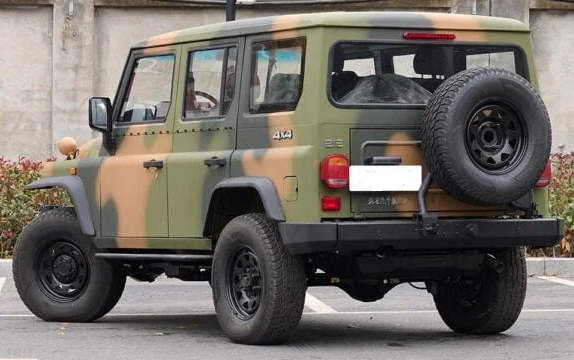
The Rely V5: Chery’s Multi-Purpose Vehicle Experiment and Its Evolution in China’s Growing Family Car Market
The Rely V5 represents a significant yet often overlooked chapter in the history of Chery Automobile and its short-lived sub-brand Rely. Introduced during a period of rapid expansion and experimentation in China’s automotive industry, the V5 was designed as a practical, family-oriented multi-purpose vehicle (MPV) that could also serve commercial roles.
Produced in the early 2010s, the Rely V5 combined versatility, affordability, and relatively modern features for its time. Although its lifecycle was brief, the model provides valuable insight into Chery’s early attempts to diversify its product lineup and move beyond entry-level passenger cars. This article explores the evolution of the Rely V5, including its production years, trim levels, engineering development, and legacy.
Origins of the Rely Brand (2009)
The Rely V5’s story begins with the creation of the Rely brand in 2009, launched alongside the Riich division as part of Chery’s multi-brand strategy.
While Riich was positioned as a premium passenger car brand, Rely was intended to focus on:
- Commercial vehicles
- MPVs and utility-focused designs
- Practical, family-oriented transportation
The goal was to create a distinct identity that could better compete in specialized segments of the market.
.

.
Introduction of the Rely V5 (2010)
The Rely V5 was introduced in 2010 as one of the core models of the Rely lineup.
- Years produced: 2010–2013
- Vehicle class: Compact MPV
- Body style: Five-door MPV
- Seating configuration: Typically 7 seats (three rows)
The V5 was designed to meet the needs of:
- Large families
- Small businesses
- Fleet operators
Its combination of passenger capacity and cargo flexibility made it a versatile offering in China’s growing MPV segment.
Design and Positioning
Exterior Design
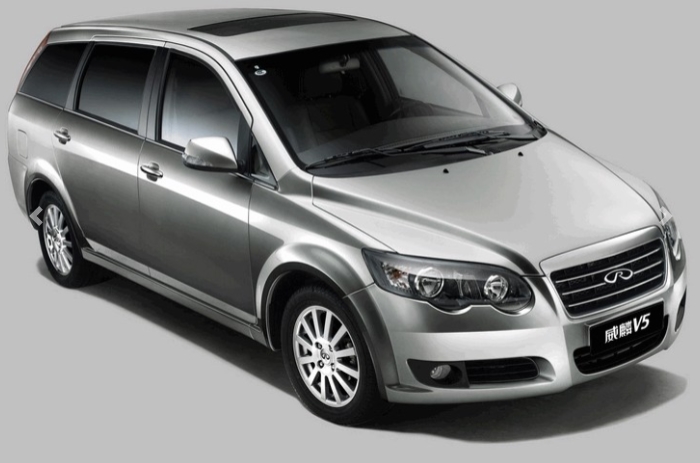
The Rely V5 featured a functional and straightforward design:
- Boxy proportions for maximum interior space
- Large windows to improve visibility
- Sliding rear doors on some configurations (market-dependent)
- Upright front fascia with simple grille design
The emphasis was clearly on utility rather than styling, reflecting its dual role as both a family and commercial vehicle.
Dimensions
The V5’s size placed it within the compact MPV category:
- Length: approximately 176–180 inches
- Wheelbase: around 108–110 inches
These dimensions provided a balance between maneuverability and interior space.
Interior Layout
Inside, the Rely V5 prioritized practicality:
- Three-row seating layout
- Configurable seats for cargo or passengers
- Simple dashboard design
Higher trims offered:
- Improved upholstery
- Additional storage compartments
- Enhanced comfort features
The interior was designed to accommodate both family use and light commercial duties.
Platform and Engineering
The Rely V5 was based on a platform derived from existing Chery vehicles, reflecting a strategy of cost-effective development through platform sharing.
Key Engineering Features
- Front-engine, front-wheel drive layout
- MacPherson strut front suspension
- Rear torsion beam suspension
This configuration prioritized:
- Durability
- Ease of maintenance
- Low production costs
Powertrain and Technical Specifications
The Rely V5 was offered with a limited range of engines, focusing on reliability and efficiency.
Engine Options
1. 1.8-Liter Inline-4 Gasoline Engine
- Output: approximately 130 horsepower
- Designed for balanced performance and fuel efficiency
2. 2.0-Liter Inline-4 Gasoline Engine (select markets)
- Higher output for improved load-carrying capability
These engines were part of Chery’s Acteco family and were widely used across multiple models.
Transmission Options
- 5-speed manual transmission (standard)
- Automatic transmission (available in higher trims or later years)
The availability of an automatic option made the V5 more appealing for urban and family use.
Models and Trim Levels (2010–2013)
The Rely V5 followed a tiered trim structure, with variations based on engine size, transmission, and equipment level.
Early Trim Levels (2010–2011)
At launch, the V5 was offered in several trims:
1. Base Trim
- 1.8L engine
- Manual transmission
- Basic interior features
- Minimal electronic equipment
This version targeted commercial users and budget-conscious buyers.
2. Standard / Comfort Trim
- Additional interior features
- Improved seating materials
- Optional automatic transmission
This trim balanced practicality and comfort, making it popular among families.
3. Luxury / Premium Trim
- Higher-end interior finishes
- Advanced convenience features
- Enhanced infotainment system
This version was aimed at private buyers seeking a more refined MPV experience.
Mid-Cycle Updates (2011–2012)
During its production run, the Rely V5 received minor updates:
- Improved interior materials
- Expanded availability of automatic transmission
- Slight adjustments to trim features
However, there was no major facelift or second generation introduced.
Late Production Phase (2012–2013)
As the Rely brand began to decline, the V5 saw:
- Reduced production volumes
- Simplified trim offerings
- Limited market availability
Production ended in 2013 following the discontinuation of the Rely brand.
Market Position and Competition
The Rely V5 competed in the compact MPV segment, which was rapidly growing in China during the early 2010s.
Key Competitors
- Domestic MPVs from Chinese manufacturers
- Entry-level MPVs from international brands
Strengths
- Affordable pricing
- Flexible interior layout
- Suitable for both family and commercial use
Weaknesses
- Limited brand recognition
- Basic interior quality compared to rivals
- Modest performance
Relationship to Other Models
The Rely V5 was part of a broader lineup that included:
- Other Rely commercial vehicles
- MPVs and utility-focused designs
It also shared engineering elements with:
- Various Chery passenger vehicles
- Other models using Acteco engines
This approach allowed Chery to maximize efficiency in development and production.
Challenges and Decline
The Rely V5’s lifecycle was heavily influenced by the challenges faced by the Rely brand.
Brand Identity Issues
Rely struggled to establish a clear identity, particularly in a market with strong competition.
Market Competition
The MPV segment became increasingly crowded, with many alternatives offering better features or stronger brand recognition.
Limited Differentiation
The V5’s reliance on existing platforms and modest updates made it difficult to stand out.
Discontinuation of the Rely Brand (2013)
In 2012, Chery announced plans to discontinue both the Riich and Rely brands due to poor sales performance.
- April 2013: Official end of Rely brand sales
- Production of the V5 ceased shortly afterward
This marked the end of the V5’s production lifecycle.
Legacy and Influence
Although short-lived, the Rely V5 contributed to Chery’s development in several ways:
Expansion into MPVs
The V5 helped Chery gain experience in the MPV segment, which would later become an important market.
Platform Sharing Strategy
The model demonstrated the benefits and limitations of using shared platforms.
Lessons in Branding
The failure of the Rely brand provided valuable insights into:
- Market positioning
- Brand differentiation
- Product development
Evolution Summary
The evolution of the Rely V5 can be summarized as follows:
2010
- Launch of the V5
- Introduction of multiple trims
2011–2012
- Minor updates and refinements
- Expansion of automatic transmission availability
2013
- Decline in sales
- Discontinuation of the Rely brand
- End of production
Future Outlook and Historical Significance
Although the Rely V5 has no direct successor, its influence can be seen in modern vehicles:
- Improved MPV offerings from Chery
- Greater focus on family-oriented vehicles
- Enhanced design and technology in later models
The V5 also reflects broader trends:
- The rise of MPVs in emerging markets
- Early experimentation with multi-brand strategies
- The evolution of Chinese automakers toward global competitiveness
The Rely V5 was a practical and versatile MPV that reflected Chery’s ambitions during a period of rapid growth and experimentation. Produced from 2010 to 2013, it offered a flexible solution for families and businesses alike.
Key highlights of its evolution include:
- A single-generation lifecycle with incremental updates
- A tiered trim structure ranging from base to luxury
- A focus on practicality and affordability
- A short production run, ending with the discontinuation of the Rely brand
While it ultimately did not achieve long-term success, the Rely V5 played an important role in shaping Chery’s future direction. Today, it stands as a reminder of an ambitious era—one that helped lay the groundwork for the modern Chinese automotive industry.