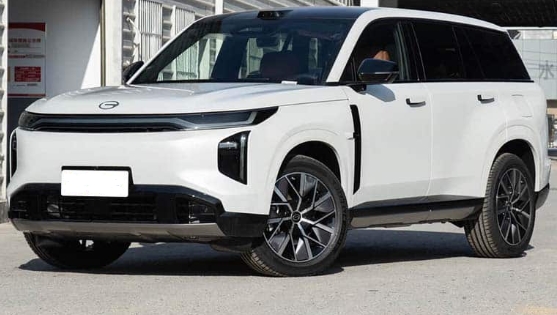
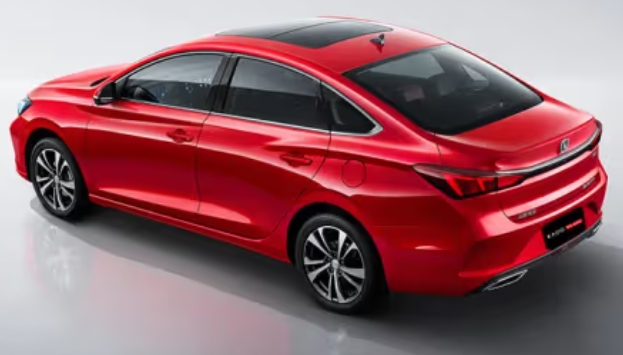
The History of Geely Galaxy, Geometry, and Geome
Geely’s Journey in Modern Automotive Innovation
Geely, one of China’s most prominent automotive conglomerates, has expanded its portfolio beyond conventional automobiles with innovative sub-brands, including Galaxy, Geometry, and Geome. These brands, developed in the 2010s and 2020s, reflect Geely’s strategic diversification into electric vehicles, family-oriented crossovers, and advanced mobility solutions. This article explores the histories, milestones, challenges, and unique characteristics of each brand while highlighting their global impact.
Geely: The Parent Company
Founding and Early Years
Geely, officially Zhejiang Geely Holding Group Co., Ltd., was founded in 1986 by Li Shufu, a Chinese entrepreneur born in 1963 in Taizhou, Zhejiang Province. Initially, Geely began as a refrigerator parts manufacturer, later expanding into motorcycles before entering the automotive sector in 1997. Li Shufu, a mechanical engineer by training, drove the company’s transformation through bold acquisitions and technological innovation.
Global Expansion
Geely became internationally recognized when it acquired Volvo Cars in 2010 for $1.8 billion, marking a pivotal step into the global automotive market. This acquisition not only strengthened Geely’s technological capabilities but also served as a blueprint for future brand expansions, including Galaxy, Geometry, and Geome.
Galaxy: Geely’s SUV and Crossover Sub-Brand
Founding and Concept
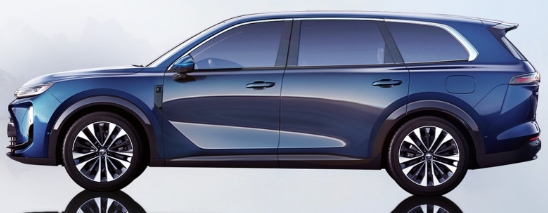
Galaxy was introduced in 2015 as a sub-brand aimed at the mid- to premium-class SUV market. The idea behind Galaxy was to combine modern Chinese design philosophy with global engineering standards, leveraging technology from Volvo and Geely’s in-house R&D.
Founder Influence
While Li Shufu oversaw the strategic direction, Geely’s internal executive team—including chief designer Peter Horbury—played a significant role in shaping Galaxy’s design ethos. Horbury, a British designer with a storied career at Volvo and Ford, emphasized Scandinavian minimalism combined with bold Chinese aesthetics.
Vehicle Models
- Galaxy L7 (2022–present): A compact crossover aimed at urban consumers.
- Galaxy M9 (2017–Present): A mid-size SUV offering hybrid and gasoline powertrains.
Success and Challenges
Galaxy faced initial production challenges due to supply chain bottlenecks in 2016, particularly in sourcing high-quality battery components for its hybrid variants. Geely resolved this by partnering with CATL, China’s leading battery manufacturer, stabilizing production within a year.
Milestones and Marketing
- 2017: Galaxy X7 became the first Geely SUV to surpass 100,000 units in domestic annual sales, a record for the sub-brand.
- Marketing Strategies: Galaxy campaigns emphasized “Futuristic Comfort”, using social media influencers in China and auto expos in Europe to build brand recognition.
Factory Operations
Galaxy vehicles are manufactured in Geely’s Ningbo plant, featuring automated assembly lines and robotic welding technology. Annual production capacity exceeds 150,000 units, with an emphasis on quality control in the final inspection phase.
Reception
- U.S. Reception: Galaxy vehicles were not sold in the U.S. directly, but international reviews praised them for build quality and design, often comparing them favorably to Japanese and Korean mid-tier SUVs.
Notable Accomplishments
Galaxy X7’s hybrid engine efficiency received industry recognition in 2018, earning the China Automotive Technology Innovation Award.
Geometry: Geely’s Electric Vehicle Pioneer
Founding and Concept
Geometry was launched in 2019 to establish Geely as a key player in the EV market. Unlike Galaxy, Geometry focused entirely on battery-electric vehicles (BEVs). The sub-brand represented Geely’s commitment to sustainability and technology-driven mobility.
Founder Influence
Li Shufu directly endorsed Geometry, emphasizing “technology first, affordability second”. Chief technology officer Xiaobin Guo, a former Tesla engineer, led the development of Geometry’s electric platforms.
Vehicle Models
- Geometry A (2019–Present): A sleek electric sedan targeting middle-class professionals.
- Geometry C (2020–Present): A compact crossover EV known for its aerodynamic design and advanced driver-assistance systems (ADAS).
Milestones and Achievements
- Geometry A became the first Chinese EV to achieve over 250 miles of range on a single charge using lithium iron phosphate batteries.
- In 2021, Geometry sold 60,000 vehicles domestically, marking a significant early success.
Marketing and Strategies
- Campaigns: Geometry’s launch was accompanied by the “Electric for All” campaign, promoting accessible EVs with futuristic features.
- Events: The brand participated in international EV expos in Europe and Asia, focusing on intelligent connectivity and sustainable mobility.
Factory Operations
Geometry vehicles are produced in Geely’s Luqiao EV plant, a dedicated EV facility capable of producing 120,000 units per year. The plant emphasizes modular electric platforms, allowing rapid scaling of new models.
Reception
- U.S. automotive press has not reviewed Geometry vehicles extensively, as Geely has primarily targeted domestic and European markets.
- Chinese consumer reviews highlight innovative tech, affordability, and range efficiency as key selling points.
Challenges and Solutions
- Early battery supply limitations in 2020 temporarily slowed Geometry production.
- Geely mitigated the issue by signing long-term supply agreements with CATL and BYD, securing a stable battery supply chain.
Geome: Geely’s Affordable EV Sub-Brand
Founding and Concept
Geome, introduced in 2022, represents Geely’s push into entry-level electric vehicles, targeting first-time car buyers and urban commuters. The brand emphasizes compact design, cost efficiency, and city car mobility.
Founder Influence
Li Shufu envisioned Geome as a volume-driven brand to complement premium offerings like Galaxy and Geometry. Chief product manager Zhenyu Liu oversaw development, ensuring vehicles met affordability and sustainability goals.
Vehicle Models
- Geome E (2022–Present): A subcompact EV with a range of 150 miles per charge.
- Geome M6 (2023–Present): A small crossover EV designed for urban practicality.
Milestones
- Geome E reached 50,000 domestic sales in its first year, signaling strong market acceptance.
- The brand has been praised for smart infotainment integration, appealing to younger buyers.
Factory Operations
Geome is produced in Geely’s Taizhou City plant, which integrates lean manufacturing principles to reduce costs while maintaining quality. Annual capacity exceeds 80,000 units, with flexible assembly lines to accommodate new models.
Challenges
- The main challenge for Geome has been competitive pricing in China’s crowded EV market. Geely addressed this through strategic government partnerships for EV subsidies and efficient battery procurement.
Reception
- Consumer reviews highlight affordability and usability as the brand’s strongest points.
- While primarily domestic, Geome has ambitions for entry into Southeast Asia and European urban markets.
Racing Programs and Brand Differentiation
While Galaxy, Geometry, and Geome have not engaged heavily in global motorsports, Geely as a parent company has participated in electric and touring car racing, using these experiences to refine performance and safety systems.
What sets these sub-brands apart is:
- Technology integration: Advanced ADAS, connected infotainment, and EV optimization.
- Design philosophy: Scandinavian minimalism in Galaxy, futuristic efficiency in Geometry, and urban practicality in Geome.
- Vertical integration: Strong in-house battery and powertrain development through partnerships with CATL.
Global Sales and Popular Models
Most Successful Vehicle:
- Geometry A is the most successful model globally due to its EV range, technology features, and relative affordability.
- 2022 Sales: Domestic: 65,000 units; Global: 15,000 units in Europe.
Other Notable Models:
- Galaxy L7: Domestic annual sales ~100,000 units.
- Geome E: Domestic annual sales ~50,000 units.
Consumer Reception in the U.S.
Currently, none of these sub-brands are sold in the U.S. market, though Geely’s global reputation benefits from its Volvo acquisition. Analysts note that if introduced, Galaxy SUVs might appeal to mid-tier SUV buyers, while Geometry and Geome could capture EV enthusiasts and urban commuters.
Current Status and Outlook
- Galaxy: Active, expanding mid-size SUV offerings, aiming to penetrate Europe.
- Geometry: Active, rapidly expanding EV lineup, planning further international expansion.
- Geome: Active, targeting urban commuters and affordability-focused EV buyers.
Outlook:
Geely continues to leverage these brands to compete in the global EV market, diversify its portfolio, and integrate advanced automotive technologies. With sustained R&D and strategic partnerships, all three sub-brands are poised for growth over the next decade.
Galaxy, Geometry, and Geome illustrate Geely’s multi-tiered approach to the automotive market, from premium SUVs to accessible EVs. Through strategic innovation, global partnerships, and a strong parent company foundation, these sub-brands have overcome supply chain challenges, secured domestic market success, and positioned themselves for global expansion. While U.S. consumers may not yet have access, international recognition and technological milestones highlight Geely’s ambition to redefine mobility across different segments.
In essence, these brands demonstrate Geely’s blend of Chinese ingenuity and global automotive standards, differentiating them from competitors and showcasing the future of mobility in an increasingly electric, connected world.