Baldwin-Motion (Chevrolet) Chevelle: The Evolution of a Rare American Muscle Car
Between the late 1960s and early 1970s, dealer-built specialty performance cars occupied a unique niche in the muscle car world. Among the most legendary of these were the Baldwin-Motion vehicles — high-performance Chevrolet models transformed by Motion Performance and sold through Baldwin Chevrolet in Baldwin, Long Island, New York. While Baldwin-Motion is often remembered for its Camaros, Novas, and Corvettes, its work on the Chevrolet Chevelle remains one of the most compelling and rarest chapters in muscle car history. This article explores the evolution of the Baldwin-Motion Chevelle, detailing its origins, variants, performance packages, production timeline, collector appeal, and future outlook.
Origins of Baldwin-Motion: A Muscle Car Partnership
The Baldwin-Motion story began in 1967 as a unique collaboration between Baldwin Auto Company — a long-established Chevrolet dealership — and Motion Performance, a performance shop founded by Joel Rosen. Baldwin brought showroom sales, financing, and distribution, while Motion provided performance engineering and customization. Together, they offered customers dealer-built “supercars” — vehicles that were ordered new, modified by Motion, and delivered with paperwork and warranty just like a regular new car.
Baldwin-Motion cars were built on various Chevrolet platforms, including Camaro, Nova, Chevelle, Corvette, and Biscayne, and were generally classified into two performance tiers:
- SS (Super Sport) models: Upgraded versions with enhanced engines and trim.
- Phase III models: Highest-performance variants, typically with big-block engines producing over 500 horsepower, backed by a money-back performance guarantee from Rosen himself if they did not run 11.50 seconds at 120 mph or better on an approved drag strip.
The Baldwin-Motion era lasted from 1967 until about 1974, when shifting regulations and economic pressures curtailed this type of specialty manufacturing.
.

.
Chevelle: A Muscle Car Platform
The Chevrolet Chevelle, produced from 1964 until 1978, was one of Chevrolet’s most popular mid-size cars and offered a range of engine options and trim levels, from basic sedans to high-performance SS (Super Sport) variants. The most sought-after Chevelles from a performance standpoint were those equipped with big-block V8 engines like the 396 ci and later 454 ci motors.
Baldwin-Motion’s performance philosophy was to take an already potent Chevelle SS and push it to extreme performance levels, often surpassing factory capabilities and creating collectible, high-rarity vehicles.
Baldwin-Motion Chevelle Models and Variants
Unlike factory trim levels, Baldwin-Motion Chevelles were custom performance builds tailored to buyers’ specifications. There is no complete factory-style lineup, but historical records and surviving examples suggest a handful of key Chevelle variants:
Phase III SS-427 Chevelle (circa 1968–1969)
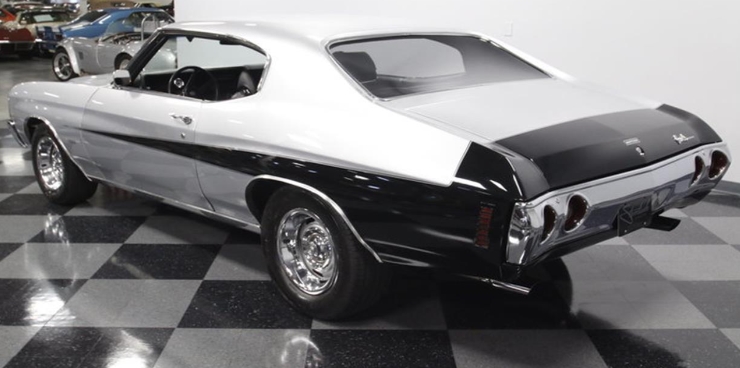
One of the most celebrated Baldwin-Motion Chevelles was a Phase III SS-427 model built around the late 1960s. These cars were based on the standard Chevelle SS but transformed with Motion Performance’s proprietary upgrades and big-block Chevrolet engines — often the 427 ci V8 producing around 450 hp or more.
Key features typically included:
- 427 cubic-inch big-block V8 tuned with Motion Performance enhancements.
- High-performance drivetrain and suspension upgrades.
- Distinctive exterior touches like Corvette “Stinger”-style fiberglass hoods.
- Raised hood-mounted tachometer, ladder bars, Positraction rear end, and a hotter cam and ignition.
These cars were designed to be true performance machines that were still streetable. Reports indicate examples such as a 1969 SS427 Phase III Chevelle retained original matching numbers and period documentation, underscoring their authenticity and rarity.
Phase III L88 and 454 Chevelles (circa 1970–1973)
In the early 1970s, Baldwin-Motion continued to build Chevelles with even more potent big-block engines, including 427 L88 race-oriented powerplants and high-output 454 ci motors. These engines were among the top-tier options available in any mid-size American performance car at the time.
According to specialized muscle car sources and documented examples:
- A 1970 Baldwin-Motion Chevelle Phase III is one of a very small number known to exist, possibly only three documented cars worldwide, with competition-grade specifications including big-block engines and specialized gear ratios.
- A 1973 Phase III Chevelle SS reportedly represents the last Baldwin-Motion Chevelle ever built under the Baldwin Chevrolet/Motion partnership. That car featured a L88 427, a four-speed manual, high rear gears, Hone-O-Drive overdrive, and unique side exhausts — and remains one of the most expensive and coveted examples due to its rarity.
These later models illustrate how Baldwin-Motion stretched the Chevelle platform’s performance envelope, drawing from race-oriented hardware and dealer-level craftsmanship rather than mere bolt-on parts.
Production Numbers and Rarity
Baldwin-Motion never released formal production totals for any of its models by model year or variant, and no official factory records exist showing annual output. Joel Rosen, the Motion Performance founder, reportedly controlled detailed production data and never publicly disclosed exact numbers. Estimates from enthusiasts and historians place total Baldwin-Motion output across all models (including Camaros, Corvettes, Novas, Chevelles, and Biscaynes) at between 300 and 500 vehicles made between 1967 and 1974, with Chevelles representing only a small fraction of these.
Documented cases, like the 1969 SS427 example from Barrett-Jackson, note only two Phase III Chevelles produced that year, underscoring the extraordinary rarity of these cars.
Performance and Engineering
Baldwin-Motion Chevelles were not lightly modified versions of factory cars; rather, they were dealer-built supercars in an era before the term gained cultural meaning. Key performance elements included:
- Big-Block Engines: Motored with Chevy’s largest displacement engines (427 and 454), often with bespoke compression ratios, cam profiles, and induction work to achieve over 500 hp in some builds.
- Guaranteed Performance: Baldwin-Motion’s Phase III models were literally sold with a performance guarantee, promising an 11.50-second quarter mile at 120 mph — a bold statement for street cars of the era.
- Chassis and Handling Upgrades: Heavy-duty suspension components, specialized rear gear ratios, headers, and braking upgrades helped match the enhanced power with improved control and handling.
- Aesthetic Enhancements: Custom fiberglass “Stinger” hoods, deluxe Sun gauges, unique badging, and high-performance wheel and tire combinations signaled the Baldwin-Motion pedigree at a glance.
These combined elements made Baldwin-Motion Chevelles formidable both on the drag strip and in street performance — a rare combination that few other specialty builders could match.
Cultural Impact and Collectibility
The Baldwin-Motion Chevelle occupies a singular place among American performance cars. Despite being dealer-built and not factory produced by General Motors, these Chevelles share historical significance with other legendary muscle machines like COPO Camaros and Yenko Chevrolets. Their scarcity, pedigree, and documented performance upgrades drive high interest among collectors and enthusiasts.
Auction records and private sale documentation show that Baldwin-Motion Chevelles — especially Phase III variants — command substantial premiums due to their rarity. The 1973 Phase III Chevelle SS example mentioned earlier has been listed with collector-car pricing in the six figures, reflecting its desirability and historical importance.
Enthusiasts also value Baldwin-Motion cars because of the original dealer documentation often preserved with surviving examples: build sheets, Baldwin Chevrolet invoices, Motion Performance invoices, and certification letters signed by Joel Rosen himself.
Legacy and Future Outlook
Although Baldwin-Motion’s era ended in the mid-1970s as emissions regulations, insurance rates, and corporate restrictions curtailed dealer-built specialty cars, the legacy of its Chevelles remains strong:
- Historic Significance: Baldwin-Motion Chevelles are frequently featured in muscle car books, collector car exhibits, and enthusiast circles as rare examples of dealer-built performance supercars.
- Preservation and Restoration: Many existing Baldwin-Motion Chevelles have been preserved or restored by collectors dedicated to muscle car history, keeping authentic examples alive for future generations.
- Influence on Modern Customization: Baldwin-Motion’s approach — dealer collaboration with a high-performance shop and performance guarantees — prefigures modern performance programs like Callaway, Hennessey, and COPO continuation series offerings.
Looking ahead, these Chevelles are likely to continue appreciating as museum quality classics and investment vehicles, with their rarity making them perennial subjects of auctions and collector showcases.
The Baldwin-Motion Chevelle embodies an extraordinary blend of dealership access, aftermarket engineering, and performance ambition that helped define the muscle car era. Built in extremely limited numbers between approximately 1968 and 1973, these dealer-modified Chevelles — especially the Phase III variants — remain some of the rarest and most revered American performance cars from a golden era of horsepower competition. Their combination of big-block power, custom engineering, unique styling, and documented performance makes them icons among muscle car collectors and aficionados — and ensures that the Baldwin-Motion Chevelle’s legacy will endure for decades to come.