Evolution of The Daihatsu Leeza and Leeza Spider: A Blend of Practicality and Nostalgic Elegance
Daihatsu, a name synonymous with compact and efficient vehicles, has long played a pivotal role in the Japanese automotive landscape. Known for its kei cars and small commercial vehicles, the company has also ventured into the realms of innovation and niche markets. Among its most intriguing offerings is the Daihatsu Leeza, a compact minivan produced from 1997 to 2015, and its open-top variant, the Leeza Spider. These models, designed for the Japanese market, showcase Daihatsu’s ability to balance utility with flair. This article delves into the history, models, design, and legacy of the Leeza and Leeza Spider, highlighting their significance in a rapidly evolving automotive industry.
A Brief History: Collaboration and Purpose
The Daihatsu Leeza was born from a strategic partnership between Daihatsu and Toyota, two companies with a long history of collaboration. By the mid-1990s, Daihatsu sought to expand its product portfolio with a vehicle that combined practicality with modern efficiency. The result was the Leeza, a compact MPV that debuted in 1997 as a rebadged version of Toyota’s Estima. This relationship allowed Daihatsu to leverage Toyota’s engineering expertise while tailoring the Leeza to its own brand identity.
The Leeza was not merely a copy of the Estima; it was a vehicle designed to appeal to Japan’s urban commuters and small families. Its launch marked Daihatsu’s foray into the MPV segment, a space dominated by larger, luxury-oriented minivans. The Leeza stood out for its compact footprint, affordability, and, notably, its availability in a convertible “Spider” variant. This dual identity—practicality meets playfulness—cemented its place in Japan’s automotive culture.
Production Years and Models
The Daihatsu Leeza was produced in two generations:
- First Generation (1997–2003): Launched in 1997, the original Leeza featured a boxy, utilitarian design with a focus on interior space. It was available in trim levels such as the J, G, and Hybrid, along with the Leeza Spider, its two-door, two-seater convertible version.
- Second Generation (2003–2015): A redesigned Leeza debuted in 2003 with a more refined, rounded exterior. This generation retained the core strengths of its predecessor while introducing enhanced technology and fuel efficiency. The Leeza Spider also received a facelift in 2003 and remained in production until 2010.
The Leeza was exclusively sold in Japan, as Daihatsu prioritized the domestic market for its compact MPVs. The Estima, its Toyota sibling, found success in export markets like Australia and Southeast Asia, but the Leeza became a symbol of Daihatsu’s homegrown ingenuity.
.
NO MORE dead batteries with this:

.
Trim Levels and Models: A Range for Every Need
The Leeza’s lineup was carefully curated to cater to diverse customer preferences.
1. Leeza J and G Trims
- J Trim (1997–2015): The base model offered essential features at an affordable price, including air conditioning, power steering, and a simple infotainment system. It was powered by a 1.5L inline-four engine producing around 100 horsepower.
- G Trim (1997–2015): The mid-tier option added luxury elements such as leather upholstery, a sunroof, and a more advanced audio system. The Leeza G was a favorite among families and professionals seeking comfort without compromising practicality.
2. Leeza Hybrid (2003–2015)
A forward-thinking model, the Leeza Hybrid combined a 1.5L engine with an electric motor to deliver around 106 horsepower and impressive fuel efficiency (30–35 mpg). Its hybrid system was an early example of Daihatsu’s commitment to sustainability. Despite its eco-friendly credentials, the Hybrid was not widely exported, remaining a niche offering in Japan.
3. Leeza Spider (1999–2010): The Open-Top Marvel
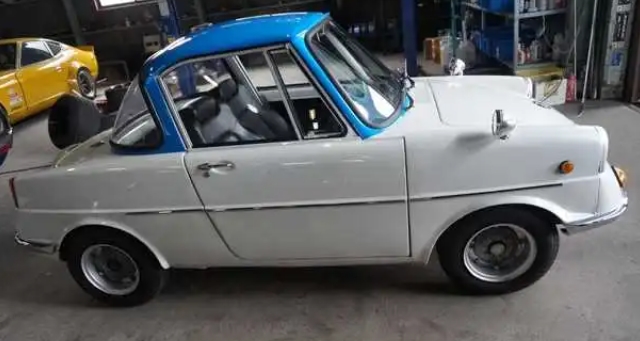
The Leeza Spider transformed the MPV into a character-driven vehicle. This two-door, two-seater featured a manually retractable soft-top roof (non-electric) and a sporty, sloped rear windshield. Available in a single trim level, the Spider was powered by a 1.5L engine, prioritizing agility over raw power. Its compact size (4 meters long) and retro-inspired design earned it the nickname “Baby Convertible”—a nod to its charm and appeal among younger buyers. The Spider’s limited seating capacity made it ideal for couples or short, scenic drives, blending the minivan’s practicality with the freedom of a convertible.
Design and Features: Where Practical Meets Playful
The Leeza’s design struck a balance between functionality and approachability. The first-generation model’s angular lines emphasized its MPV roots, with sliding doors, a high driving position, and ample interior space for five passengers. The second generation softened these edges with smoother curves and a more modern aesthetic, including optional alloy wheels and LED lighting.
The interior focused on user-friendliness, with a focus on accessibility for elderly and disabled passengers. Features like height-adjustable seating and one-touch sliding doors made it a favorite in households where space and convenience mattered.
The Leeza Spider, by contrast, was a departure from traditional minivans. Its two-seater layout and open-top design gave it a youthful, vintage vibe. While basic compared to the full-sized Leeza, it included sporty touches like a tachometer, sport seats, and a removable side glass panel. Despite its leisurely purpose, the Spider retained the Leeza’s compact dimensions and fuel efficiency, proving that mini MPVs could be both practical and fun.
Market and Reception: A Niche Success Story
The Leeza found a loyal audience in Japan, particularly among families and small businesses. Its affordability, reliability, and Toyota-derived engineering made it a compelling alternative to larger, pricier minivans. The Leeza Hybrid, in particular, was lauded for its early adoption of hybrid technology, though it remained a small part of the overall market.
The Leeza Spider, however, carved out a unique niche. While it sold fewer units than the standard Leeza, it became a cultural icon for its quirkiness. Enthusiasts praised its affordability and open-air charm, often comparing it to the Toyota Platz Spider, a similarly styled model from the 1990s. Despite its limited utility, the Spider’s popularity highlighted a demand for fun, aspirational vehicles in Japan’s otherwise conservative car market.
Future Outlook: The End of an Era
Production of the Leeza ceased in 2015, replaced by the Daihatsu Gran Max Space—a larger, more modern MPV. The Leeza Spider was discontinued in 2010, marking the end of an era for open-top mini MPVs. While some lament the loss of these models, their obsolescence reflects industry trends.
Daihatsu is now focusing on electric vehicles (EVs) and hydrogen-powered technologies. The company has launched EVs like the Copen EV and is collaborating with Toyota on next-generation battery technology. These shifts align with Japan’s push toward sustainability and the phasing out of internal combustion engines. The Leeza, with its hybrid innovation, can be seen as a precursor to this electrified future.
The Daihatsu Leeza and Leeza Spider were more than just vehicles—they were symbols of Daihatsu’s ingenuity and adaptability. The Leeza bridged the gap between compact MPVs and family-friendly transportation, while the Spider introduced a sense of playfulness to Japan’s motor market. Though both models have been discontinued, their legacy lives on in Daihatsu’s continued quest to innovate, from hybrid minivans to electric city cars. For collectors and enthusiasts, the Leeza Spider remains a nostalgic gem—a reminder that even in the realm of practical vehicles, there’s always room for a little fun.