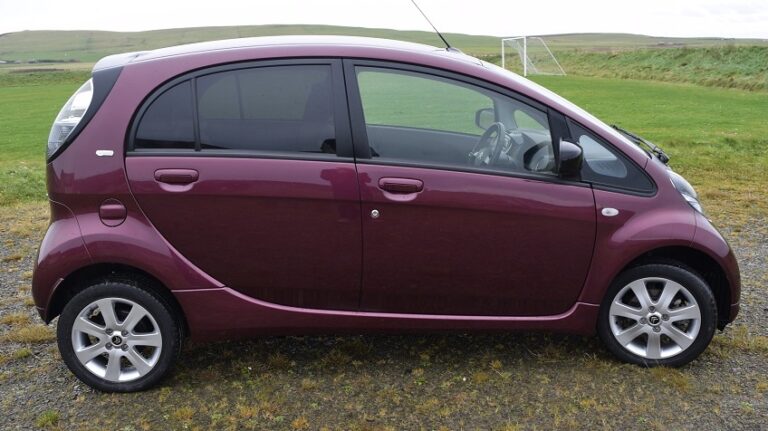
Evolution of The Suzuki Palette: A Compact Vision of Practicality and Innovation
In the ever-evolving automotive landscape, few vehicles encapsulate the spirit of compact innovation quite like the Suzuki Palette. Introduced in 2000 as a successor to the iconic Wagon R, the Palette redefined urban mobility with its roomy cabin, fuel-efficient engine, and versatile design. As a kei car (a class of small vehicles in Japan with strict size and engine-displacement regulations), the Palette became a symbol of Japanese ingenuity, balancing affordability with functionality. Over its 16-year production run (2000–2016), the Palette made its mark in select markets, particularly in India, where it offered an alternative to traditional hatchbacks and minivans. This article delves into the history, models, and legacy of the Suzuki Palette, while exploring its relevance in today’s automotive world.
A Historical Perspective: From Wagon R to Palette
Suzuki’s journey into the mini van segment began with the Wagon R in 1997, a ground-up design that redefined practicality in the kei car category. The Wagon R’s boxy silhouette and efficient use of space made it a global success. However, by the late 1990s, Suzuki sought to expand its offerings with a more versatile and user-friendly model. The result was the Palette, launched in 2000 alongside the second-generation Wagon R. Unlike its predecessor, the Palette featured a slightly taller build and a more angular front fascia, emphasizing its role as a family-friendly utility vehicle.
The Palette’s development was influenced by the growing demand for compact, fuel-efficient vehicles in urban centers, particularly in Asia and Europe. It retained the kei car’s 660cc engine—a hallmark of Japanese efficiency—while offering enhancements in comfort, cargo capacity, and interior layout. Though it never achieved the same global recognition as the Wagon R, the Palette carved out a niche for itself in markets where space and affordability were paramount.
.
NO MORE dead batteries with this:

.
Production Years and Market Availability
The Suzuki Palette was produced from 2000 to 2016, with its debut in Japan in 2000 and a later introduction in India (2004) under the name Suzuki Palette. By 2006, India had become the primary market for the Palette, where it competed with the Maruti 800 and other hatchbacks. Interestingly, the Palette was never officially sold in the United States, but it was imported in limited numbers under the Suzuki XL7 nameplate, a rebadged version of the Wagon R-based model.
In Japan, the Palette was marketed as a more modern, family-oriented alternative to the Wagon R. However, by 2016, production ceased as Suzuki shifted focus to the Wagon R and its crossover cousin, the Wagon R Custom. The Palette’s discontinuation reflected changing consumer preferences, with buyers favoring SUVs and crossovers over traditional kei cars.
Models and Trim Levels
The Suzuki Palette was available in a range of configurations, though most markets—particularly India—offered a simplified lineup. Models generally fell into two categories: Passenger (7-seater) and Cargo variants. Below is a breakdown of the key models and trim levels:
1. Basic Model (2000–2005)
- Engine: 660cc, three-cylinder two-stroke (Japan) or four-stroke (India)
- Seats: 5-passenger configuration
- Key Features: Minimalist interior, analog dashboard, basic suspension, and no air conditioning (standard in Japan, optional in India).
- Unique Aspects: The Japanese model retained the two-stroke engine for fuel efficiency, while Indian models adopted a four-stroke for better emissions compliance.
2. 7-Seat Executive Model (2005–2010)
- Engine: 660cc four-stroke
- Seats: Expanded to seven, with a 2-3-2 bench layout and sliding window in the third row.
- Key Features: Air conditioning, power windows, and chrome accents.
- Market Focus: Popular in India for families and small businesses.
3. Cargo Variant (2004–2012)
- Engine: 660cc four-stroke
- Configuration: Rear cargo area with a tailgate and optional shelving.
- Key Features: Designed for small-scale delivery services or artisans needing additional load space.
- Legacy: Emphasized the Palette’s adaptability for commercial use.
4. Facelift Models (2010–2016)
- Key Upgrades: Updated grille, LED lighting, and a more modern dashboard.
- New Trims: Introduced in India with features like power-assisted steering and improved suspension.
- Diesel Variant (2012–2016): A 1.3L diesel engine was added for better fuel efficiency and torque, though it diverged from kei car regulations.
While trim levels were limited compared to global competitors, the Palette’s simplicity and modularity allowed owners to customize it for personal or professional use.
Design and Technological Highlights
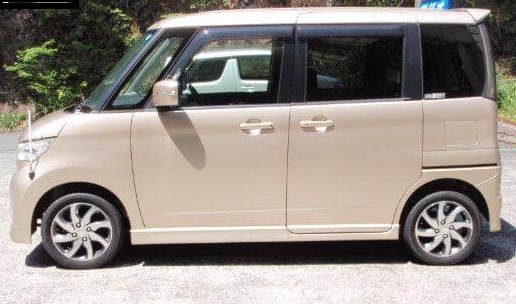
The Palette’s design was a masterclass in maximizing space. Its 3,395mm length and 1,590mm width adhered to kei car standards, yet the cabin offered surprising roominess thanks to a high ceiling and fold-flat second-row seats. The roofline was notably higher than the Wagon R, improving visibility and making loading/unloading easier.
Under the hood, the 660cc engine (producing around 49–53 hp) prioritized urban driving, with fuel economy ratings up to 30–35 kmpl (7–8.5 L/100km)—a marvel by 2000s standards. Later models in India adopted a 1.3L diesel option, expanding the Palette’s appeal to those seeking quieter, more towing-capable powertrains.
Safety features were minimal by today’s standards, with only a driver’s airbag and ABS (optional) included in top trims. However, the Palette’s high ride height and robust build provided a sense of security in congested settings.
Market Reception and Cultural Impact
In Japan, the Palette was a minor entrant in the kei car segment, overshadowed by the popular Wagon R and Daihatsu Mira. However, in India, it became a symbol of frugal innovation. Launched at a time when the Indian market was dominated by rear-wheel-drive Maruti 800s, the Palette offered a modern alternative with its front-wheel-drive layout, fuel efficiency, and 7-seater configuration. It was particularly popular among middle-class families and small businesses, becoming a staple in metropolitan areas like Mumbai and Delhi.
The Palette’s cargo variant also found traction as a “micro utility vehicle,” bridging the gap between a hatchback and a larger truck. In 2008, Suzuki even launched a Palette-based ambulance variant in India, highlighting its adaptability.
Future Outlook and Legacy
With production ceasing in 2016, the Palette has been succeeded by the Suzuki Wagon R Plus and Wagon R Custom, both offering more features and space. However, the Palette’s legacy remains in its pioneering design philosophy: maximizing utility in a kei car framework.
Looking ahead, could a “new” Palette emerge? The rise of electric vehicles (EVs) presents opportunities for Suzuki to reintroduce a compact, efficient model. While no official plans exist, a Palette-inspired EV could thrive in urban environments, especially in markets like India where kei-inspired vehicles remain popular. Similarly, the increasing demand for micro EVs in Europe could revive interest in a Palette-like platform.
The Suzuki Palette was more than just a vehicle—it was a testament to the Japanese concept of monozukuri (craftsmanship) and kono michi (this way), prioritizing practicality without compromising innovation. Over its 16-year production run, it offered a unique blend of affordability, versatility, and space efficiency, setting a benchmark for kei cars. While no longer in production, the Palette’s influence lingers in Suzuki’s product strategy and the urban mobility solutions it represents. For those who remember the Palette, it remains a symbol of what compact cars can achieve when designed with ingenuity and purpose.
In an era where EVs and SUVs dominate the conversation, the Palette’s story reminds us that sometimes, the smallest vehicles can leave the biggest impact.