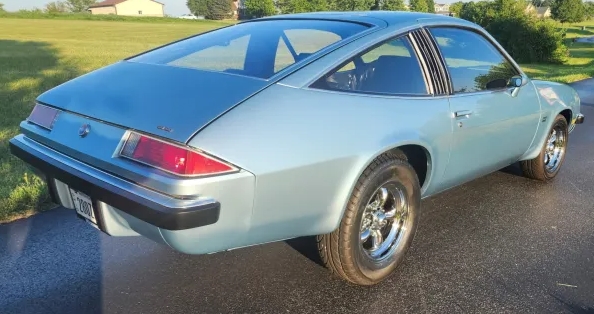
Evolution of The TVR 1600M, 2500M, and 3000M
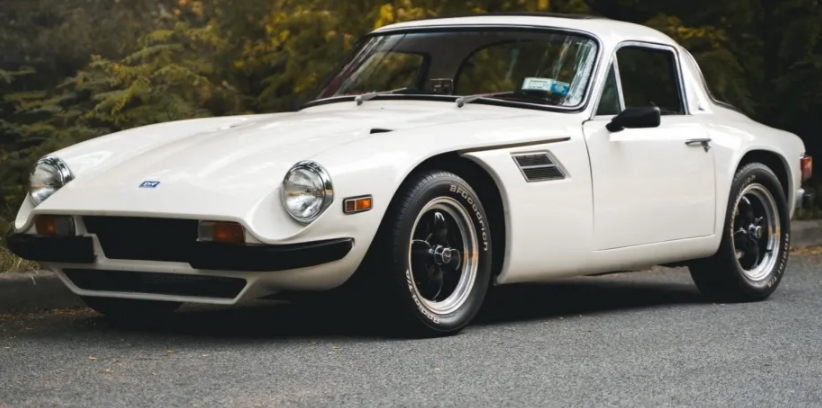
The TVR M Series is one of the most significant and beloved chapters in the history of the British sports car manufacturer TVR. Comprised of the TVR 1600M, 2500M, and 3000M, these models were produced between 1967 and 1979 and are considered some of the most iconic cars to come from TVR. Known for their lightweight fiberglass construction, stylish design, and thrilling performance, these cars helped solidify TVR’s place as a maker of desirable and dynamic sports cars.
In this article, we will explore the history and evolution of the TVR 1600M, 2500M, and 3000M models. We’ll look at their development, the different trim levels offered, their place in TVR’s timeline, and the legacy they have left behind. We will also assess how these cars impacted TVR’s standing in the automotive world and their current position as collectibles.
The Birth of the TVR M Series: A New Direction for TVR (1967)
The TVR M Series of cars were introduced as a continuation of TVR’s commitment to lightweight, performance-driven sports cars. At the time, TVR was known for producing relatively small, nimble cars with a focus on handling and excitement, rather than luxury or comfort. The M Series marked a new phase in the company’s evolution, offering more refined engineering, better build quality, and more powerful engine options, while retaining the rawness and agility that made TVRs so desirable.
The TVR M Series was essentially an evolution of the earlier TVR Grantura, but with significant updates to both styling and mechanical performance. With its more modern design, the M Series retained TVR’s characteristic fiberglass bodywork, which helped keep the cars light and agile. The M Series also featured more sophisticated suspension and chassis designs, making the cars more stable and predictable on the road.
The first car in the M Series to be introduced was the TVR 1600M in 1967, followed by the 2500M in 1968 and the 3000M in 1971. These cars marked the dawn of a new era for TVR, with each model featuring more powerful engines and better overall performance compared to previous TVR offerings.
.

.
TVR 1600M: The Compact Sports Car (1967–1971)
The TVR 1600M was the first of the M Series cars to be launched and became the entry-level model for the M Series lineup. It was powered by a 1.6-liter, four-cylinder engine, which was capable of producing approximately 80 horsepower. This engine allowed the 1600M to achieve a 0-60 mph time of around 8.5 seconds and a top speed of around 100 mph (160 km/h) — respectable performance for a small, lightweight sports car of its era.
The 1600M was a substantial upgrade over its predecessor, the TVR Grantura, thanks to improvements in both chassis and bodywork. The car’s fiberglass body was strengthened, and the steel chassis was designed to improve rigidity and handling. A new independent front suspension system, combined with coil-spring rear suspension, provided better ride quality and cornering stability.
One of the most notable aspects of the 1600M was its aerodynamic styling. The body featured a smooth, flowing design, with curved wheel arches, a distinctive front grille, and pop-up headlights. The design was sleek and modern, a significant step forward from the earlier Grantura models.
Trim Levels and Variants
Although the 1600M was offered in a single trim, TVR did provide some customization options for customers, including different interior trims, colors, and accessories. Early models were offered with both hardtop and soft-top configurations, giving buyers the option to enjoy open-air driving or a more enclosed experience.
TVR 2500M: Bridging the Gap with More Power (1968–1973)
The TVR 2500M arrived in 1968 as a more powerful version of the 1600M. Equipped with a 2.5-liter inline-six engine sourced from the Ford Essex V6 family, the 2500M delivered 120 horsepower, which significantly improved both the performance and driving experience over the 1600M. The increase in power resulted in a 0-60 mph time of about 7.0 seconds and a top speed of around 120 mph (193 km/h).
The 2500M was designed to appeal to buyers who wanted more performance and refinement without stepping up to the larger and more expensive 3000M. It retained much of the lightweight fiberglass construction and modernized design of the 1600M but benefited from a more refined V6 engine, providing better torque and higher top-end power.
Like the 1600M, the 2500M featured a modern interior with leather upholstery and sports seats, along with the option of both a hardtop and soft-top configuration. The cabin was designed to be more comfortable for long drives, while still maintaining the no-nonsense, driver-focused layout that TVR enthusiasts loved. The larger engine and more refined driving characteristics made the 2500M a great option for those seeking a more sophisticated TVR sports car.
Trim Levels and Variants
The 2500M was available in various colors and trim levels, but the real focus for buyers was the engine upgrade. Like the 1600M, customization options allowed for different interior materials and exterior finishes, but the V6 engine was the primary selling point. This model was also available with alloy wheels, luxury leather interior, and a host of other options that catered to those looking for a more refined driving experience.
TVR 3000M: The Pinnacle of the M Series (1971–1979)
The TVR 3000M, introduced in 1971, was the flagship model of the M Series and one of the most ambitious cars ever produced by TVR at the time. Powered by a 3.0-liter V6 engine, also sourced from Ford’s Essex V6 family, the 3000M produced 138 horsepower. With this engine, the 3000M was capable of reaching 0-60 mph in just 6.5 seconds and a top speed of around 130 mph (209 km/h).
The 3000M was designed for customers who sought the ultimate in performance, refinement, and style. It featured a larger, more muscular body compared to the 1600M and 2500M, with a longer nose and a wider track, which gave it a more aggressive and stable appearance. The increased size and power gave the car a more confident stance on the road, while the larger engine delivered a deeper, more satisfying exhaust note.
The 3000M came with a fully independent suspension system, making it more comfortable and capable on both smooth highways and twisty country roads. In terms of features, the 3000M offered a more refined interior, with leather seats, wooden trim, and a more sophisticated dashboard design. The car’s fit and finish were also improved compared to the earlier M Series models, reflecting TVR’s growing commitment to quality.
Trim Levels and Variants
The 3000M was the most expensive and luxurious model in the M Series lineup. It came standard with the V6 engine, but buyers could also opt for upgraded wheels, sports seats, and various custom interior options. Like the other M Series cars, the 3000M was offered with either a hardtop or soft-top configuration, although the hardtop was generally more popular due to its superior rigidity and more luxurious feel.
Legacy and Impact
The TVR 1600M, 2500M, and 3000M collectively represented the pinnacle of TVR’s efforts to produce lightweight, high-performance sports cars with a focus on driving enjoyment. These cars, particularly the 2500M and 3000M, were instrumental in establishing TVR’s reputation for producing sports cars that combined raw power with agility and sophistication. The M Series cars were notable for their combination of modern design, performance and affordability, making them highly desirable among enthusiasts in the late 1960s and 1970s.
Over time, the M Series cars have become highly collectible, particularly the 3000M, which remains one of the most sought-after models. Their lightweight construction, charming styling, and engaging driving dynamics have made them an enduring symbol of TVR’s commitment to creating cars for driving purists.
Future Outlook and Collectibility
As classic cars, the TVR M Series — particularly the 3000M — is becoming increasingly rare and valuable. Well-preserved examples of the 1600M, 2500M, and 3000M are coveted by enthusiasts, and their prices have steadily risen as they gain recognition as important milestones in TVR’s history. With their distinctive styling, unique driving characteristics, and relatively low production numbers, these cars have carved out a niche in the classic car market.
While TVR no longer produces cars like the M Series, the legacy of the M Series lives on, and its influence can still be felt in the modern TVR offerings that have emerged in recent years.
The TVR 1600M, 2500M, and 3000M were pivotal models in the British automaker’s lineup, and each car played a key role in the evolution of the TVR brand. From the entry-level 1600M to the top-of-the-line 3000M, these cars offered a perfect blend of performance, lightweight design, and bold styling, cementing their place in TVR history.
Today, these cars are cherished by collectors and driving enthusiasts alike, who continue to enjoy their thrilling performance and timeless design. As time passes, the M Series models will only become more important in the context of TVR’s storied legacy, ensuring that their place in the history of British sports cars remains firmly secured.