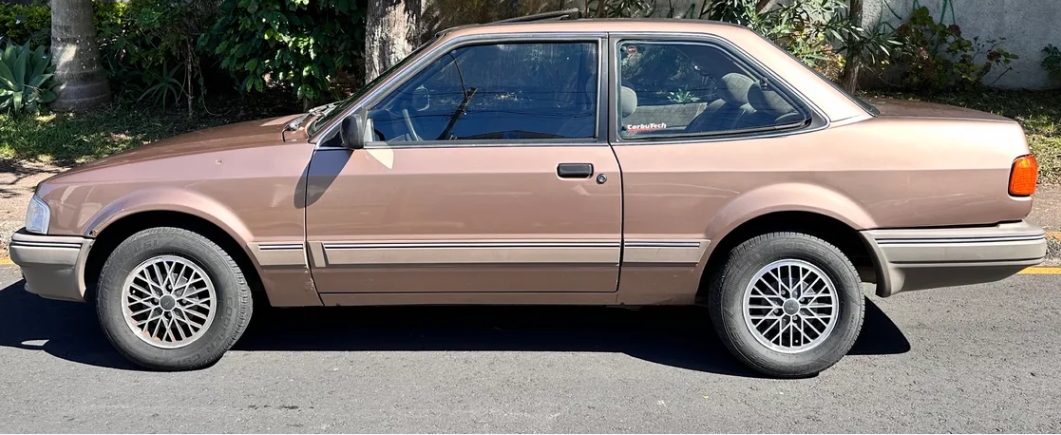
Ford Verona: The Evolution of Ford’s Brazilian Compact Sedan
The Ford Verona was a compact sedan produced by Ford do Brasil during the 1990s, tailored specifically for the South American market. Although it wasn’t sold globally, the Verona is remembered in Brazil and neighboring countries as a refined, practical four‑door version of Ford’s Escort platform adapted to local tastes and conditions. Its development, model range, and eventual replacement reflect broader trends in Ford’s strategy in Latin America during the 1990s.
Origins and Market Positioning
The Ford Verona debuted in 1989/1990 as a sedan derivative of the Ford Escort, designed and built in Brazil for the South American market. It was part of a broader strategy by Ford to beef up its passenger car lineup in a region that favored sedans over hatchbacks. Although based on the Escort / Orion architecture, the Verona featured a distinct four‑door body with a larger trunk, giving it a more executive appearance than its hatchback sibling.
In effect, the Verona bridged the gap between Ford’s smaller Escort and larger midsize models, offering buyers a mix of everyday usability and enhanced comfort — a strategy similar to that seen in other markets when hatchbacks spawn dedicated sedan variants. It remained in production until 1996, when it was succeeded by the Ford Escort Sedan as Ford refreshed its compact offerings for the Brazilian lineup.
First Generation (1989/1990–1992)
Launch and Design
The first generation of the Verona appeared around 1989/1990, following the introduction of the later‑generation Escort platform in Brazil. This Verona was essentially a two‑door or four‑door sedan with a larger trunk than the hatchback Escort. Although some early Brazilian catalogues list it from 1989, most reliable data aligns with full commercial availability by 1990.
Engines and Trim Levels
In its earliest years, the Verona was offered with multiple engine options, all paired with a five‑speed manual transmission and front‑wheel drive layout typical of Escort‑based cars.
Common trim levels and engines included:
- LX 1.6: Entry‑level trim with a 1.6 L CHT engine, known for efficiency and simplicity — producing around 76 PS / 86 hp in gasoline form and performing adequately for its class.
- LX 1.8: Upgraded trim with a 1.8 L engine — producing roughly 90–92 hp and offering more responsive performance while retaining good economy.
- GLX 1.8: Higher‑grade trim adding more equipment such as better interior trim, optional climate control, electric accessories, and (often) fog lamps. The GLX was the most popular variant thanks to its balance of features and price.
Both LX and GLX trims were available with either gasoline or ethanol (álcool) engines, reflecting Brazil’s long‑standing use of flexible fuel and dual‑fuel vehicles. Early versions employed carbureted engines, with later refinements making use of Bosch or Ford electronic fuel injection as emissions standards evolved.
.

.
Evolution to Second Generation (1993–1996)
Major Refresh
In the second half of 1992, the Verona was significantly updated alongside the new Escort generation. This effectively created what is often called the second‑generation Verona, sold through 1996. The updates brought the Verona more in line with the contemporary Escort/Orion platform, improving interior quality, handling, and mechanical refinement.
Unlike the first generation’s two‑door options, the second‑generation Verona was exclusively a four‑door sedan, catering to buyers who preferred practical family transport with more mature styling and passenger access.
Engine Options
The 1993–1996 Verona range shifted to Volkswagen‑sourced AP engines, reflecting Ford’s participation in the Autolatina joint venture with Volkswagen in Brazil and Argentina:
- 1.8 L AP 8v (carbureted or early injected) — base performance engine.
- 1.8i 8v (fuel‑injected) — offered smoother performance and compliance with evolving emissions standards.
- 2.0 L AP 8v (carbureted) — larger displacement, delivered more torque and power in mid‑cycle models.
- 2.0i 8v (injected) — top‑end engine for GLX and higher trims, providing better driveability and performance for highway use.
This engine diversification helped the Verona stay competitive in a market that increasingly valued a balance of performance and economy in compact sedans.
Trim Levels
Over its second generation, the Verona offered a broader set of trim designations compared to the early years:
- LX: Continued as the entry‑level model, typically with basic equipment and smaller engines.
- GL: A middle trim in some years — replacing LX in late production — that offered incremental equipment upgrades.
- GLX: The better‑equipped version with features such as air conditioning, power accessories, upgraded interior trim, tachometer, and alloy wheels (depending on year).
- Ghia / S: In later years the Verona even offered higher‑end packages such as Ghia, with more creature comforts and visual touches drawn from European Ford offerings.
Optional features across trim levels could include air conditioning, power steering, power windows, tachometer, fog lamps and, in some late models, a sunroof — giving buyers a choice of basic to relatively well‑equipped sedans.
Technical and Design Highlights
Platform and Body
The Verona was built on the same front‑wheel‑drive platform as the Ford Escort/Orion lineage but adapted with a dedicated four‑door body. This gave it an advantage in trunk space and rear‑seat accessibility over the more popular hatchback variants, making it a practical choice for families and professionals alike.
Performance and Handling
Engines ranging from the economical 1.6 L to the larger 2.0 L AP allowed buyers to balance fuel economy with performance. The Verona’s manual five‑speed gearbox was standard across most trims, with later models offering a four‑speed automatic as an option on certain GLX models.
Despite being a compact sedan, the Verona was noted for its stable handling and relatively quiet ride compared with some competitors, thanks in part to its sedan body and refined suspension tuning for Brazilian roads.
Market Reception and Legacy
During its production life, the Verona was well‑regarded in Brazil for offering good value, versatile engine choices, and roomy four‑door convenience. It attracted both private buyers — often families and young professionals — and fleet buyers seeking reliable sedans with manageable running costs.
The GLX trim, in particular, was popular for its added comfort and features at a competitive price point, while the LX and GL trims remained attractive to buyers prioritizing simplicity and economy.
Social media discussions and owner accounts often mention the Verona’s durability and ease of maintenance, with many surviving examples still cherished by enthusiasts of 1990s Brazilian cars.
End of Production and Successor
By 1996/1997, Ford decided to phase out the Verona in Brazil as part of a broader strategy to modernize its lineup. The Escort Sedan replaced it, offering updated styling, newer engines (such as Zetec units), and more modern chassis and safety features.
This transition reflected Ford’s global shift toward newer platforms and technology while streamlining its compact sedan range in Brazil and Latin America.
Future Outlook and Historical Significance
Although long discontinued, the Ford Verona retains a cult following among collectors and fans of 1990s Brazilian vehicles. Its place in the region’s automotive history is secure as a unique example of Ford adapting a global platform to local needs, engines, and fuel types (e.g., ethanol adaptations).
In classic car circles, well‑preserved Veronas are increasingly appreciated for their nostalgic value and practicality, with owners restoring them for show and daily use alike.
Today’s compact and midsize sedans have largely shifted toward crossovers and SUVs, but the Verona remains a reminder of an era when compact four‑door sedans reigned supreme in markets like Brazil.
The Ford Verona was more than just a localized Escort‑based sedan; it was a distinct symbol of Ford’s Brazilian adaptation of global automotive trends. Produced from around 1989/1990 through 1996, it offered a variety of engines and trims — from the economical LX 1.6 to the well‑equipped GLX and Ghia models — and helped define the compact sedan segment in its market. Its blend of practicality, choices, and enduring character ensures its legacy among enthusiasts and automotive historians alike.