From Humble Beginnings to Versatile Companion: The Evolutionary Saga of the Opel Combo
The Opel Combo, a name synonymous with practicality, affordability, and unwavering utility, has carved a significant niche in the automotive landscape. More than just a van, it has evolved over decades, transcending its utilitarian roots to become a versatile family car, a dependable tradesperson’s workhorse, and even a lifestyle vehicle. Its journey is a compelling narrative of adaptation, innovation, and the enduring appeal of a well-executed concept. This article will delve into the rich history of the Opel Combo, tracing its evolution through its various generations, models, and trim levels.
The Genesis: The Opel Kadett Combo (First Generation – 1986-1993)
The story of the Opel Combo begins not with a standalone model, but as a derivative of Opel’s stalwart compact car, the Kadett. Launched in 1986, the Kadett Combo was essentially a two-box, panel van version of the Kadett E hatchback. Its primary purpose was clear: to serve small businesses and tradespeople needing a compact, fuel-efficient, and cost-effective vehicle for transporting goods.
Models/Trim Levels: In its early days, the Combo wasn’t characterized by a vast array of trim levels like modern vehicles. The focus was on functionality. Key distinctions often revolved around the engine choice and minor equipment variations.
Panel Van: This was the quintessential Combo, featuring a completely enclosed cargo area with no rear windows.
Combi: A slightly more passenger-oriented version, the Combi offered rear seats and windows, making it a rudimentary people carrier.
Engine Options: Early Combos were typically powered by small, fuel-efficient petrol engines, reflecting the economic sensibilities of the era and its target market. Common units included:
1.3-liter petrol engine (various power outputs)
1.4-liter petrol engine
1.6-liter diesel engine (offering excellent economy)
The Kadett Combo, while basic, was a success. Its compact dimensions made it ideal for navigating tight city streets, and its unpretentious design meant low running costs and easy maintenance. It proved to be a reliable workhorse, laying the foundation for the Combo’s future success.
.
THIS is GOOD stuff if your car is in need:

.
A Defined Identity: The Opel Combo B (Second Generation – 1993/1994 – 2001)
Recognizing the growing demand for its compact van, Opel decided to give the Combo its own distinct identity. In 1993/1994, the Combo B arrived, sharing its platform with the Opel Corsa B. This marked a significant step forward, with the Combo B boasting a more modern design, improved ergonomics, and a wider range of configurations.
Models/Trim Levels: The Combo B saw the introduction of more defined trim levels, catering to different needs and budgets.
Panel Van: The core offering, focusing on maximum cargo space.
Combi (or “Crew Cab”/”Passenger Variant”): This version offered a bench seat in the rear, increasing passenger capacity.
“Tour” Trim: Towards the end of its production, a “Tour” variant emerged, signifying a more passenger-focused vehicle with enhanced interior appointments and a greater emphasis on comfort.
Engine Options: The engine lineup expanded to offer more choice and refined performance:
1.4-liter 8-valve petrol engine
1.6-liter 16-valve petrol engine
1.7-liter diesel engine (a popular choice for its torque and economy)
1.7-liter turbodiesel engine (offering a significant boost in power and performance)
The Combo B was a popular choice, praised for its improved ride comfort, better build quality, and a more refined interior compared to its predecessor. It solidified the Combo’s reputation as a practical and affordable option for both commercial and personal use.
The Rise of Refinement: The Opel Combo C (Third Generation – 2001-2011)
The turn of the millennium brought a significant redesign for the Opel Combo in 2001. The Combo C, based on the Opel Corsa C platform, underwent a complete metamorphosis, adopting a more distinctive and aerodynamic design. This generation marked a serious push towards making the Combo a viable family car, not just a commercial vehicle.
Models/Trim Levels: The Combo C era saw a substantial diversification of models and trims, reflecting its broadening appeal.
Panel Van: Still the bedrock of the lineup, designed for commercial use.
“Life” Variant (later just “Combo”): this passenger-focused version became increasingly popular. It offered a more car-like interior, better sound insulation, and a range of comfort features.
“Essentia”: The entry-level trim, offering essential features.
“Enjoy”: A mid-range trim with more creature comforts like air conditioning and electric windows.
“Cosmo”: The top-tier trim, boasting premium features like alloy wheels, better upholstery, and advanced audio systems.
“Tour” Variant: This designation continued to signify a passenger-oriented version, often with more flexible seating configurations.
“Cargo” Variant: A specialized version for commercial use, often with a higher payload capacity and more robust interior finishes.
Engine Options: The Combo C offered a more sophisticated and diverse engine range:
1.4-liter 16-valve petrol engine (ECOTEC)
1.6-liter 16-valve petrol engine (ECOTEC)
1.3-liter CDTI turbodiesel (shared with Fiat, known for its fuel efficiency)
1.7-liter CDTI turbodiesel (offering strong performance)
1.6-liter CNG (Compressed Natural Gas) powered variants were also introduced, showcasing Opel’s early commitment to alternative fuels.
The Combo C was a critical success. Its car-like driving dynamics, spacious interior, and the availability of advanced features like satellite navigation and cruise control made it a compelling choice for families. It successfully bridged the gap between a van and a passenger car, further cementing its versatility.
A Shift in Ownership, A Familiar Face: The Opel Combo D (Fourth Generation – 2011-2018)
The fourth generation of the Opel Combo, launched in 2011, marked a significant strategic shift. While retaining the core strengths of its predecessors, the Combo D was a result of a collaboration with Fiat. It shared its platform with the Fiat Doblò, a well-established and highly regarded compact MPV and van. This partnership brought new technologies and design elements to the Combo.
Models/Trim Levels: The Combo D continued the trend of offering distinct passenger and commercial variants with varying trim levels.
Panel Van: The workhorse, with a focus on cargo capacity and durability.
“Tour” Variant (later known as “Combo Life”): The passenger version, emphasizing comfort, practicality, and family-friendly features.
“Selection”: The entry-level trim, providing fundamental comfort and safety features.
“Enjoy”: A well-equipped mid-range trim, often including features like climate control and more advanced infotainment.
“Cosmo”: The premium option, offering a higher standard of interior finish, additional convenience features, and potentially distinct styling elements.
“Cargo” Variants: Specific versions optimized for different commercial needs, often with enhanced payload or specific cargo bay configurations.
Engine Options: The engine lineup reflected the Fiat partnership, offering a mix of Opel and Fiat powertrains:
1.4-liter petrol engine
1.4-liter turbocharged petrol engine (offering improved performance and efficiency)
1.3-liter MultiJet turbodiesel (from Fiat, known for its economy)
1.6-liter MultiJet turbodiesel (from Fiat, offering a balance of power and efficiency)
2.0-liter MultiJet turbodiesel (providing strong performance for heavier loads)
The Combo D continued to be a popular choice, particularly in the European market. Its competent driving manners, spacious interior, and the inherent reliability of the Fiat Doblò platform made it a strong contender. The “Combo Life” variant, in particular, found favor with families looking for a practical and affordable alternative to traditional MPVs.
The PSA Era and a Bold New Direction: The Opel Combo E (Fifth Generation – 2018-Present)
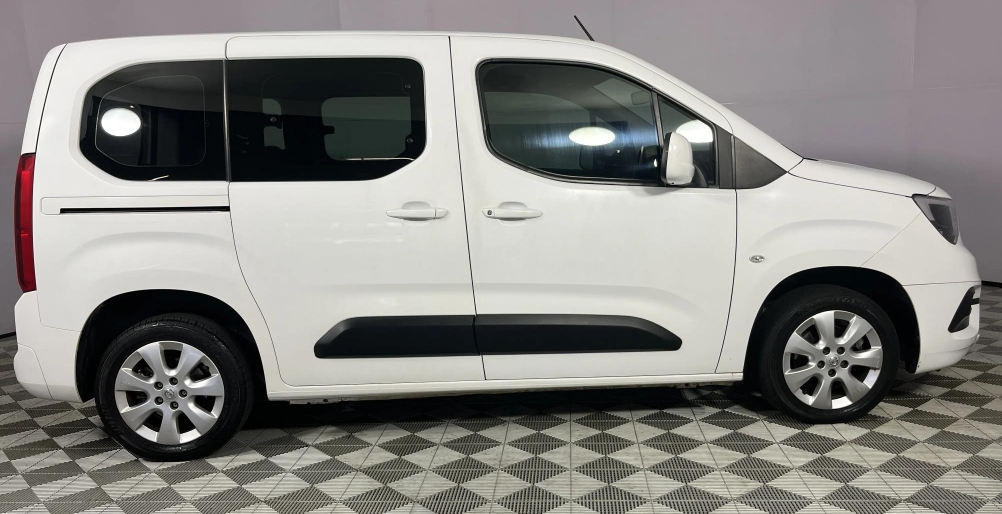
The most recent and perhaps most significant evolution of the Opel Combo arrived in 2018 with the introduction of the Combo E. This generation coincided with the acquisition of Opel by the PSA Group (now Stellantis). Consequently, the Combo E is based on PSA’s EMP2 platform, sharing its underpinnings with Peugeot’s Rifter and Citroën’s Berlingo. This collaboration brought a complete redesign, a more modern aesthetic, and a significant upgrade in technology and driving dynamics.
Models/Trim Levels: The Combo E truly embraces its dual nature, offering distinct
“Cargo” and “Life” versions with a clear hierarchy of trim levels.
Combo Cargo: The commercial focus remains strong.
“Edition”: The base model, equipped for essential work.
“Sportive”: A more upmarket commercial trim, often with enhanced styling and comfort features.
“Pro”: The top commercial trim, offering a comprehensive suite of features and technologies for professional users.
Combo Life: The passenger-focused variant, designed for families and active lifestyles.
“Edition”: The entry-level passenger trim, providing a good balance of comfort and functionality.
“Innovation”: A mid-range trim, adding more desirable features like advanced infotainment and driver aids.
“Ultimate”: The flagship passenger trim, boasting premium materials, extensive technology, and advanced safety features.
“XL” Variants: Both Cargo and Life versions are offered in longer wheelbase “XL” configurations, providing even greater cargo or passenger space.
Engine Options: The Combo E boasts a modern and efficient engine range, primarily from PSA’s portfolio:
1.2-liter PureTech turbocharged petrol engine (various power outputs)
1.5-liter BlueHDi turbodiesel engine (various power outputs)
Electric variants (e-Combo Cargo and e-Combo Life) were introduced, highlighting Opel’s commitment to electrification and offering a zero-emission option.
The Combo E represents a substantial leap forward. Its striking design, refined interior, advanced driver-assistance systems, and the availability of efficient petrol, diesel, and electric powertrains have made it a highly competitive offering in the segment. The “Combo Life” has successfully transitioned into a stylish and practical family car, while the “Combo Cargo” continues to be a robust and versatile tool for businesses.
Conclusion: A Legacy of Adaptability
From its humble beginnings as a van derivative of the Opel Kadett, the Opel Combo has undergone a remarkable evolution. It has consistently adapted to changing market demands, technological advancements, and ownership structures. What began as a purely utilitarian vehicle has blossomed into a multi-faceted player, capable of serving a diverse range of needs. Whether it’s hauling goods for a small business, transporting a family on an adventure, or providing a sustainable mobility solution with its electric variants, the Opel Combo has proven its enduring appeal. Its story is a testament to the power of practical design, continuous improvement, and the unwavering commitment to delivering a versatile and accessible automotive solution. The Opel Combo, in its various guises across its generations, remains a steadfast companion, a true all-rounder that has earned its place in the automotive hall of fame.