History of The Maruti Swift: A Comprehensive Overview
The Maruti Swift is one of India’s most successful hatchbacks and a name that has become synonymous with sporty design, agile performance, and dependable everyday usability. Since its introduction in the mid-2000s, the Swift has evolved through multiple generations, offering various trims, engines, and features to cater to a wide range of customers. This article takes a detailed look at the history, specifications, and variants of the Maruti Swift, as well as what the future may hold for this iconic model.
1. Brief History and Evolution
Introduction in India (2005)
The Suzuki Swift was originally launched globally by Suzuki Motor Corporation in 2004, with India receiving its first version in May 2005. Maruti Suzuki India Limited, a joint venture between the Government of India and Suzuki Motor Corporation, was responsible for producing and marketing the Swift domestically. The car was positioned as a premium hatchback above the Maruti Wagon R and Alto, targeting younger buyers and those seeking a stylish yet practical vehicle.
The first-generation Swift in India was based on Suzuki’s global B-segment platform. It featured a bold design, sporty stance, and relatively powerful petrol and diesel engine options compared to other hatchbacks in its segment at the time.
2. Generations and Timeline
First Generation (2005–2010)
- Design: Rounded headlamps, compact yet muscular proportions, and a tall roofline.
- Engines:
- 1.3-litre G13B petrol engine.
- 1.3-litre DDiS diesel engine (Fiat-sourced MultiJet).
- Transmission: 5-speed manual gearbox.
- Trim Levels: LXi, VXi, ZXi for petrol; LDi, VDi for diesel.
- Highlights: First major success for Maruti Suzuki in the premium hatchback space. Known for responsive steering and fun-to-drive character.
Second Generation (2011–2017)
- Platform: Based on Suzuki’s new generation platform with improved rigidity and reduced weight.
- Design: Sharper headlamps, more aerodynamic silhouette, larger cabin space, and improved interiors.
- Engines:
- 1.2-litre K-Series petrol engine (K12M).
- 1.3-litre DDiS diesel engine continued.
- Transmission: 5-speed manual; introduction of Automatic (4-speed torque converter) in petrol variants.
- Trim Levels: LXi, VXi, ZXi (petrol); LDi, VDi, ZDi (diesel).
- Features: Dual airbags and ABS offered in higher trims, better NVH (Noise, Vibration, Harshness) levels, improved fuel efficiency.
- Facelifts: Minor updates in 2014 added features like push-button start, Bluetooth-equipped audio systems, and new alloy designs.
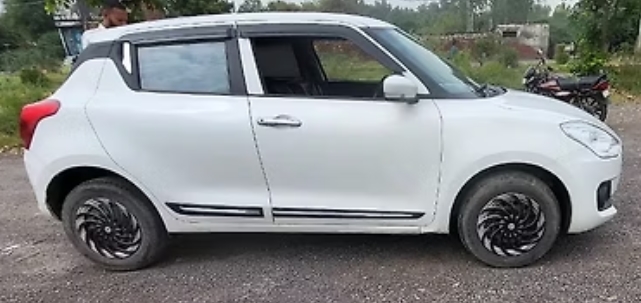
Third Generation (2018–present)
- Platform: HEARTECT platform – lighter, more rigid, and compliant with modern crash safety norms.
- Design: More aggressive front grille, LED projector headlamps with DRLs, floating roof design, and sportier rear styling.
- Engines:
- 1.2-litre K12M petrol engine (BS6-compliant).
- 1.3-litre diesel engine initially offered until April 2020; discontinued due to BS6 norms.
- 1.2-litre K12N DualJet petrol engine with idle start-stop technology introduced in 2021 facelift.
- Transmission: 5-speed manual and 5-speed AMT (Automated Manual Transmission) for petrol variants.
- Trim Levels (Petrol only after 2020):
- LXI: Entry-level variant with basic features.
- VXI: Mid-level trim with additional convenience features.
- ZXI: Premium trim with alloy wheels, advanced entertainment, and safety features.
- ZXI+: Top-end variant with advanced infotainment, reverse camera, LED lights, and dual-tone options.
- Facelift (2021): New front grille, updated bumper, DualJet engine, improved fuel efficiency, and more safety features standard across variants.
Special Editions
Over the years, Maruti Suzuki has launched several limited and special editions of the Swift:
- Swift RS (2013): Sportier cosmetic upgrades, dual-tone interiors.
- Swift Glory Edition (2015): Added decals, accessories, and infotainment upgrades.
- Swift Deca Edition (2016): Football-themed styling, body graphics, and touchscreen infotainment.
- Anniversary Editions: Cosmetic updates for marking launch anniversaries.
3. Trim Levels and Features (Current Line-up)
As of 2024, the Maruti Swift in India is offered in four main trims, all powered by the 1.2-litre K12N DualJet petrol engine.
- LXI
- Halogen headlamps
- Basic steel wheels
- Manual air-conditioning
- Dual airbags, ABS with EBD
- Basic audio preparation
- VXI
- Wheel covers
- Infotainment system with Bluetooth, USB, and AUX
- Power windows
- Remote keyless entry
- Electrically adjustable ORVMs
- ZXI
- Alloy wheels
- LED projector headlamps with DRLs
- 7-inch touchscreen infotainment system with Android Auto & Apple CarPlay
- Rear wiper and washer
- Climate control
- Enhanced interior trim
- ZXI+
- Precision-cut alloy wheels
- Cruise control
- Reverse parking camera
- Automatic headlamps
- Dual-tone exterior colour options
- Advanced driver information system
Both manual and AMT transmissions are available in VXI, ZXI, and ZXI+ trims, while LXI is manual-only.
4. Technical Specifications (Current Model)
- Engine: 1.2-litre, 4-cylinder, petrol, DualJet
- Displacement: 1197 cc
- Power: ~89 bhp @ 6000 rpm
- Torque: ~113 Nm @ 4400 rpm
- Transmission: 5-speed manual or 5-speed AMT
- Fuel Efficiency: 22–23 km/l (ARAI-rated)
- Dimensions:
- Length: ~3845 mm
- Width: ~1735 mm
- Height: ~1530 mm
- Wheelbase: 2450 mm
- Kerb Weight: 875–905 kg (depending on variant)
- Safety Features: Dual airbags, ABS with EBD, ISOFIX child seat mounts, reverse parking sensors (standard from mid trims).
5. Popularity and Market Impact
Since its launch, the Swift has been a consistent bestseller in India’s hatchback segment.
Key reasons for its popularity:
- Sporty styling appealing to younger buyers.
- Fun-to-drive handling with responsive steering.
- Maruti Suzuki’s widespread service network and low maintenance costs.
- Strong resale value.
- Fuel efficiency without compromising performance.
The Swift has also been a frequent recipient of industry awards, including multiple “Car of the Year” titles from leading automotive publications.
.
We LOVE cars & cruising around, but sometimes day trips to explore new cities are required (with family or friends) for a spice of variety in your life!
So GO explore!
Cruises & Day/Night City Tours to: Baltimore, Boston, Chicago, Marina Del Ray, New York, Niagara, Philadelphia, San Diego, San Francisco, Toronto, Washington DC, etc.:

.
6. Global Presence
While the Swift is sold in India as the Maruti Swift, it is marketed globally under Suzuki branding in markets like Japan, Europe, Australia, and Southeast Asia. International models often feature different engine options, including 1.0-litre Boosterjet turbo petrol and hybrid variants. The Indian Swift is tailored to local preferences with an emphasis on fuel economy, affordability, and compliance with Indian regulations.
7. Future Outlook
Potential Updates
Given the global automotive trends, the future of the Maruti Swift is likely to involve:
- Hybridization: Suzuki already offers mild-hybrid versions of the Swift abroad. Similar technology could be introduced in India to meet stricter fuel efficiency and emission norms.
- Enhanced Safety: As Indian safety regulations evolve, future Swifts may come with six airbags, electronic stability control, and advanced driver assistance systems.
- Connected Car Technology: Expect more connected features such as telematics, remote vehicle management, and OTA (over-the-air) updates in infotainment systems.
- Design Evolution: The next generation will likely build on the sporty DNA but may incorporate sharper lines and more premium interiors to compete with rivals like Hyundai i20 and Tata Altroz.
Possible Timeline
Suzuki globally introduced the fourth-generation Swift in late 2023 for select markets. If Maruti Suzuki follows its usual adaptation schedule, the Indian market could see the new-generation Swift by 2024–2025, possibly with upgraded powertrains and technology.
8. Competitors
In India, the Maruti Swift competes with:
- Hyundai Grand i10 Nios: Offers comparable features and multiple powertrain options.
- Tata Tiago: Known for build quality and safety features.
- Honda Amaze hatch derivatives (in certain markets).
- Renault Triber (entry crossover) in overlapping price brackets.
Despite strong competition, Swift’s brand value and Maruti’s network continue to make it a preferred choice.
9. Conclusion
The Maruti Swift has carved a niche for itself as a sporty, reliable, and economical hatchback that appeals to a broad audience. Since its debut in 2005, it has undergone significant changes in design, performance, and features, keeping pace with evolving consumer demands and regulatory requirements. With the upcoming generation promising more technology, efficiency, and safety, the Swift is poised to remain a key player in India’s automotive landscape.
Whether it’s for a first-time buyer seeking style and practicality, or an enthusiast looking for a nimble daily driver, the Swift continues to deliver a balanced package that has stood the test of time.