History of The Opel Vivaro: A Versatile Workhorse in the Commercial Van Segment
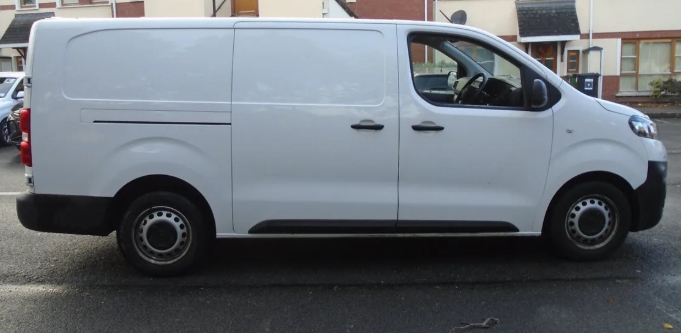
The Opel Vivaro has long been a staple in Opel’s commercial vehicle lineup, catering to the needs of businesses, freelancers, and delivery services with its robust design, versatile cargo space, and driver-focused features. As a medium-sized van, the Vivaro sits in the competitive L2/L3 category, where it has consistently evolved to meet the demands of modern business. This article delves into the Vivaro’s history, its iterations over the years, trim levels, key features, and future direction, painting a comprehensive picture of this essential workhorse.
A Brief History of the Opel Vivaro
Opel has a rich heritage in the commercial vehicle sector, with a lineage that includes the Opel Blitz (1935–1960) and the Opel Combo (introduced in 1994). However, the Opel Vivaro emerged as a true game-changer, combining practicality with modern engineering. The first-generation Vivaro debuted in 2001 as a direct successor to the Combo, designed to fill a growing gap in the market for a multi-functional commercial van. Its development was influenced by the Opel Zafira, a passenger MPV launched in 1999. The Vivaro shared the Zafira’s platform and design language but was tailored for commercial use, featuring a higher ground clearance, reinforced chassis, and a flat load floor for cargo efficiency.
While the first-generation Vivaro was a solid performer, it was criticized for lacking the driver-centric comforts and advanced technology that consumers began to expect. This feedback prompted Opel to launch a completely redesigned second-generation Vivaro in 2014, incorporating a more modern cab-over-engine layout, enhanced ergonomics, and improved fuel efficiency. The third-generation model, introduced in 2020, further modernized the Vivaro with electrification options and a shared platform with the Zafira Life MPV, reflecting Opel’s commitment to sustainability and innovation.
.
THIS is GOOD stuff if your car is in need:

.
Production Years and Generations
- First Generation (2001–2014)
The original Vivaro marked a significant shift for Opel’s commercial offerings. It was available in left- and right-hand drive and offered a choice of 1.9L CDTI (Common Rail Diesel Injection) engines. This generation’s flat floor and modular seating (including removable seats for cargo) made it a flexible option for businesses. However, its design, while functional, was somewhat dated due to its reliance on older technology. - Second Generation (2014–2020)
Redesigned from the ground up, the 2014 Vivaro introduced a more aerodynamic exterior, improved driver visibility, and a spacious driver’s cab. It adopted the LSS (Large Seating System) platform, also used by the Chevrolet Orlando and Vauxhall Zafira Life. Engine options expanded to include a 2.0L BlueHDi turbodiesel, which offered better fuel economy and reduced emissions. A Vivaro Maxi variant with a longer wheelbase was added to accommodate larger cargo loads, increasing the vehicle’s versatility. - Third Generation (2020–Present)
The 2020 Vivaro brought a bold new design and advanced electrification. It shares the LSS platform with the Zafira Life, ensuring a smoother ride and better seating comfort. In 2021, Opel launched the Vivaro eVivaro, a battery-electric version of the van, as part of its push toward sustainable mobility. This generation also includes the Vivaro Maxi, which has become a permanent fixture due to its massive cargo capacity.
Models and Trim Levels: A Look at the Vivaro’s Variants
The Opel Vivaro has been offered in a range of models and trim levels to suit different business needs and budgets.
- First Generation (2001–2014)
- Vivaro 1.9 CDTI Base: A no-frills commercial van with minimal interior features, prioritizing cargo capacity and durability.
- L2 and L3: Starter and mid-range trims with incremental additions like chrome bumpers, air conditioning, and stereo systems.
- SE and SX: Higher trims offering improved comfort, including power steering, climate control, leather seats, and a premium audio system.
- Special Editions: Limited models with enhanced styling and optional features like satellite navigation and alloy wheels.
- Second Generation (2014–2020)
- Vivaro 2.0 BlueHDi Base: Stripped-down for cost efficiency, ideal for heavy-duty commercial use.
- L2/L3: Similar to the first-gen, these trims introduced digital dash displays and improved infotainment systems.
- SE/SX: Added luxury elements, including heated seats, keyless entry, and rear parking sensors.
- Vivaro Maxi: A long-wheelbase variant with up to 7.1 m³ of cargo volume, perfect for bulk deliveries.
- Vivaro Life: A passenger-oriented version with seating for up to seven people, bridging the gap between van and MPV.
- Third Generation (2020–Present)
- Vivaro 1.5L Turbo Petrol / 2.0L BlueHDi Diesel: Improved efficiency and performance, with the diesel engine now meeting Euro 6d emissions standards.
- eVivaro: This all-electric model boasts a range of up to 195 miles (WLTP) and zero tailpipe emissions. It includes ACD (Adaptive Cruise and Distance control) and Level 2 autonomous driving features.
- PEV (Plug-in Hybrid Electric Van): Combines a 2.0L diesel with an electric motor for short, emission-free commutes.
- Trim Levels: The L2/L3/SE/SX hierarchy continues, with top trims featuring lane-keeping assistance, blind-spot monitoring, and a 10-inch touchscreen with Apple CarPlay and Android Auto.
Key Features and Innovations
The Vivaro has consistently prioritized driver comfort and cargo versatility. The third generation, in particular, showcases cutting-edge technology such as the myOpel Connect remote app, which allows drivers to monitor battery levels, lock/unlock the van, and even start the climate control remotely. Safety features include Adaptive Cruise Control, Forward Collision Alert, and Rear Camera, which are especially useful in urban delivery environments.
In terms of engine performance, the 2.0L BlueHDi diesel offers 136 or 170 horsepower, suitable for heavy loads and long trips. The 1.5L petrol engine, while less powerful, is a cost-effective choice for low-mileage users. The eVivaro, on the other hand, uses two electric motors and a 50 kWh battery for smooth, quiet operation, supported by a 100 kW on-board charger for rapid DC charging.
Cargo capacity is the Vivaro’s calling card: the standard version holds up to 5.7 m³, while the Maxi variant expands this to 7.1 m³. A unique “Magic Seat” system allows the rear bench to be folded or removed entirely, adapting the van for mixed cargo and seating needs.
Future Outlook: Electrification and Expansion
As Stellantis accelerates its shift toward electrification, the Vivaro is poised to play a pivotal role in Opel’s strategy. The eVivaro and PEV models are expected to see widespread adoption in urban centers, where emission regulations are tightening. Opel has also hinted at a renewed Grand Vivaro, a larger sibling to the current Maxi variant, which could enter the L4 commercial van segment. By 2030, Opel aims to have a fully electric commercial vehicle lineup, suggesting that future Vivaro models will likely feature extended-range batteries, faster charging, and integrated smart tech for fleet management.
Conclusion
The Opel Vivaro has evolved from a utilitarian workhorse to a modern, versatile commercial vehicle that balances practicality with innovation. Its multiple generations reflect Opel’s ability to adapt to market demands, from the introduction of the BlueHDi diesel to the rollout of electric and plug-in hybrid variants. As sustainability becomes a global priority, the Vivaro’s future—rooted in electrification and smart technology—ensures it will remain a trusted companion for businesses worldwide. Whether hauling goods or transporting people, the Vivaro continues to redefine what a commercial van can be.