History of The Toyota Platz and Platz Spider: A Rare Glimpse into Toyota’s Sports Car Ambitions
The Toyota Platz and its convertible counterpart, the Platz Spider, represent a unique chapter in Toyota’s history. These compact, rear-wheel-drive sports cars were born from a brief collaboration between Toyota and BMW, aiming to create agile, stylish vehicles that could compete with the likes of the Mazda RX-7 and Porsche 944. Though produced in limited numbers and available only for a few years, the Platz and Spider remain intriguing examples of 1980s automotive innovation. This article delves into the history, design, performance, and legacy of these rare vehicles, offering a comprehensive look at their significance and the potential for a modern reimagining.
A Brief History: The Birth of the Platz
In the early 1980s, Toyota sought to expand its presence in the premium and performance segments, challenging established competitors in Europe and North America. The Platz project emerged from this ambition, leveraging Toyota’s existing platform technology while incorporating sporty enhancements and a dash of European flair. The name “Platz,” derived from the German word for “place,” hinted at the car’s connection to BMW, which was a strategic partner in its development. At the time, BMW held a 20% stake in Toyota, a partnership that enabled shared engineering resources and market access.
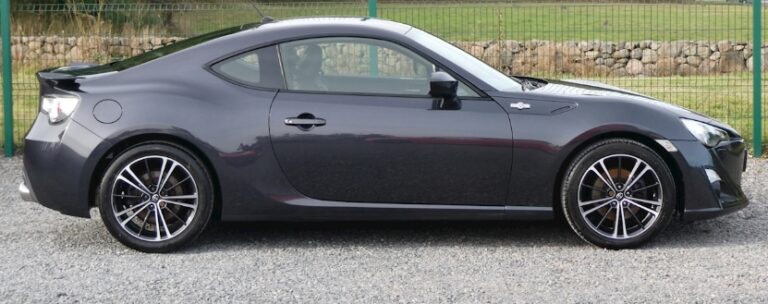
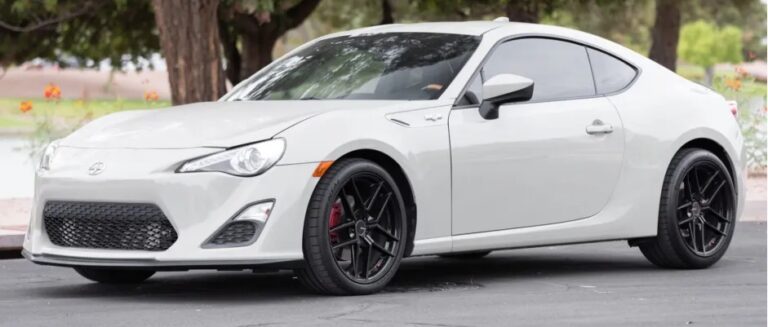
The Platz was introduced in 1982 (as a 1983 model year) as a two-door, four-seater sports car based on the Tercel platform. However, unlike the Tercel, the Platz featured a longer wheelbase, a lower center of gravity, and a stiffer body structure optimized for performance driving. The car’s rear-wheel-drive layout and sport-tuned suspension—featuring stiffer springs, shocks, and limited suspension travel—set it apart from Toyota’s front-wheel-drive compacts. The Platz was primarily marketed in Japan, Germany, and Canada, with a focus on driving enthusiasts who desired a more engaging experience than standard subcompact cars could offer.
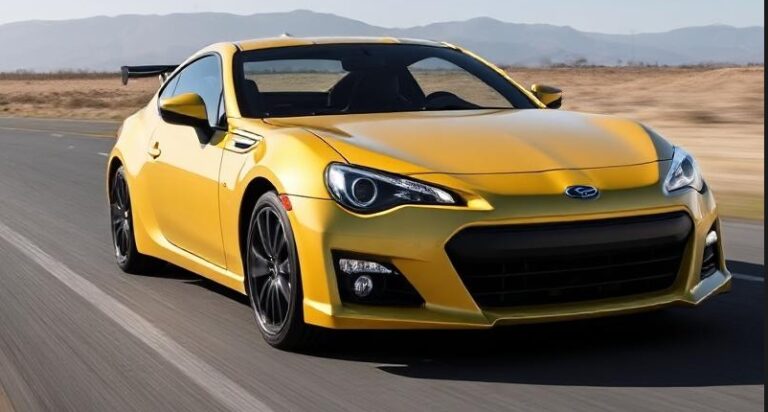
The Platz Spider variant arrived in 1984 (as a 1985 model year), further cementing Toyota’s collaboration with BMW. While the standard Platz prioritized rear-wheel drive and handling, the Spider added a manually operated fabric soft-top, a stylish roll bar, and subtle design cues that emphasized its open-air appeal. Despite its exotic name, the Spider retained the Platz’s core platform and mechanicals, making it a niche but intriguing option for those seeking a blend of practicality and sportiness.
.

.
Production Years and Model Variations
Toyota produced the Platz from 1982 to 1985, with a total of around 50,000 units built. The Platz Spider, introduced in 1984, shared the same three-year production timeline but was produced in far smaller numbers, with estimates suggesting just a few thousand units were made.
Engine Options and Trim Levels:
The Platz lineup included two primary engine configurations and two trim levels:
- 1.5L Inline-Four (Base Model):
- Years: 1982–1985
- Engine: 1.5-liter (1,493 cc) inline-four, naturally aspirated
- Power Output: 73 horsepower at 5,600 rpm
- Transmission: 5-speed manual (standard) or 3-speed automatic (optional on 1.5L models)
- Features: Basic interior, bench seats, and manual windows. The base model emphasized affordability and efficiency over outright performance.
- 1.6L Inline-Four (GT Trim):
- Years: 1982–1985
- Engine: 1.6-liter (1,613 cc) fuel-injected inline-four
- Power Output: 86 horsepower at 6,000 rpm
- Transmission: 5-speed manual (standard)
- Features: Upgraded suspension (including a limited-slip differential in later years), Recaro bucket seats, alloy wheels, a tachometer, and a sportier interior. The GT trim was marketed as the Platz’s performance-focused alternative.
Platz Spider Variants:
- 1984–1985 Models: The Platz Spider was powered exclusively by the 1.6L fuel-injected engine and came in a single trim level.
- Engine: 1.6L inline-four (86 hp)
- Transmission: 5-speed manual (standard)
- Features: A manually operated soft-top roof that retracted into the trunk, a roll bar, chrome accents, and a slightly softened suspension setup for improved comfort. The Spider did not offer an automatic transmission, emphasizing its driver-focused character.
Both the Platz and Spider were rear-wheel-drive and featured a beam axle rear suspension, a design choice that prioritized simplicity and weight savings but was less common in modern sports cars. The cars’ narrow 55-inch width and lightweight construction (under 2,200 pounds for the 1.6L model) contributed to their nimble handling.
Design and Performance: A Balanced Formula
The Platz and Platz Spider were designed to appeal to drivers who valued agility and a connection to the road. Their rear-wheel-drive layouts allowed for predictable handling, while the sport-tuned suspension reduced body roll and improved cornering precision. The 1.6L engine, though modest by modern standards, provided a willing character, with a 0–60 mph time of around 12.5 seconds and a top speed of approximately 100 mph.
The Platz Spider’s convertible body style required engineering compromises to maintain structural rigidity. Engineers reinforced the body with additional crossmembers and a roll bar to address torsional weaknesses inherent in soft-top designs. The Spider’s fabric roof operated manually in a two-part design: the first part retracted into a box in the trunk, while the second part (a split panel) stayed in place to provide structural support. This setup allowed for a relatively quick roof change, though it was not as seamless as modern power tops.
Exterior styling was clean and minimalist, echoing the Tercel’s boxy silhouette while incorporating sportier elements like flared wheel arches, a sloping roofline, and distinctive C-pillar design. The Spider added a sense of drama with its open roof and subtle badging, though it remained understated compared to contemporaries like the Mazda RX-7 or Porsche 944.
Market Reception and Legacy
The Platz struggled to gain widespread popularity due to a combination of factors. Its cramped interior, modest performance, and stiff suspension made it less appealing to families or those seeking comfort. Additionally, the 1.6L engine, while refined for its era, lacked the punch of rivals like the Celica GT or RX-7. Critics praised its agile handling and build quality but noted its lack of cargo space and underwhelming acceleration.
The Platz Spider fared even more niche, with limited production and a price tag that hovered near $20,000 in the U.S. market—a premium over the standard Platz but still lower than European convertibles. Its appeal was confined to enthusiasts who appreciated its unique blend of sportiness and practicality, though many found the soft-top and low horsepower uninspiring.
Despite these challenges, the Platz left a mark on Toyota’s heritage as an early experiment in merging European design principles with Japanese engineering. Today, surviving examples are rare, with many stored or restored by collectors. The car’s history as a joint Toyota-BMW project also highlights the company’s broader strategy of leveraging international partnerships, a theme that continues in modern collaborations like the Toyota-Suzuki partnership for hybrid technology.
Future Outlook: What If Toyota Revived the Platz?
While no official plans exist to resurrect the Platz, the concept could find relevance in today’s automotive landscape. In an era dominated by electrification, a modern Platz might be reimagined as a lightweight electric GT, leveraging Toyota’s bZ sedan platform to deliver instant torque and agile handling. Alternatively, a hybrid version could merge traditional rear-wheel drive with fuel efficiency, appealing to eco-conscious sports car enthusiasts.
A Platz Spider reinterpretation could capitalize on the popularity of lightweight convertibles, though modern materials (like carbon-fiber roofs) would improve structural rigidity. Toyota might also position the Platz as a halo model for its performance division, akin to the GR (Gazoo Racing) lineup.
The Toyota Platz and Platz Spider may have been short-lived and under-the-radar, but they embody Toyota’s early foray into premium sports cars. With their blend of European collaboration, rear-wheel-drive dynamics, and affordability, these vehicles reflect a bygone era of automotive experimentation. Though unlikely to be revived in their current form, the Platz’s legacy lives on as a testament to Toyota’s ambition to innovate beyond its economic roots. For collectors and enthusiasts, a classic Platz or Spider remains a rare gem—a machine that chased the spirit of sportiness with a dash of practicality.