History of The Vauxhall Movano: A Versatile Workhorse for Business and Beyond
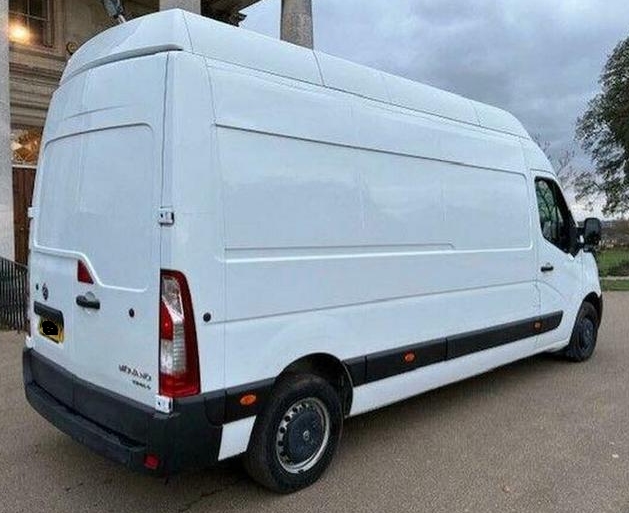
The Vauxhall Movano has long stood as a stalwart of commercial transportation and practical utility in the United Kingdom and beyond. Designed for businesses requiring a blend of performance, cargo capacity, and comfort, the Movano has evolved through generations to meet the changing demands of the commercial vehicle market. As part of the Vauxhall lineup, the Movano shares its platform with the Peugeot Boxer and Citroën Relay—demonstrating the collaborative engineering ethos of the Stellantis group, which now oversees Vauxhall’s operations. This article delves into the Movano’s history, models, trims, and future, offering a comprehensive overview of this versatile van.
History and Evolution
The Movano’s lineage traces back to the 1980s when Opel introduced the Movano as a luxury minibus in Germany. However, the transition to a commercial van began in the late 1990s, with Vauxhall introducing the Movano van in 2000 under the PSA Peugeot Citroën brand. This marked the first generation of the Movano, which quickly became a staple for small to medium-sized enterprises. The van’s design drew inspiration from the Opel Astra J platform, though it was tailored for heavier-duty use.
The second generation, launched in 2006, brought significant updates, including improved chassis dynamics and a wider range of engine options. By 2018, the third-generation Movano debuted, featuring a more modern interior, enhanced safety technology, and a focus on reducing emissions to align with stricter environmental regulations. Each iteration reinforced the Movano’s reputation as a durable, adaptable workhorse while expanding its appeal to a broader audience, including those in the construction, logistics, and service sectors.
In 2023, it was announced that the Movano would continue as a key component of Vauxhall’s commercial vehicle strategy, with electrification and advanced driver-assistance systems (ADAS) poised to shape its future.
.

.
Generations and Models
First Generation (2000–2006)
The original Movano (2000–2006) laid the foundation for its enduring legacy. Based on the PSA B4 platform, this van offered three wheelbase lengths: L1 (2.96 meters), L2 (3.35 meters), and L3 (3.79 meters), providing flexibility for varying cargo needs. Initially available in Work and Life configurations, the L1 and L2 were ideal for urban deliveries, while the L3 served as a mobile office or workshop.
Engines included 1.9L and 2.0L diesel options, powering a 3.5-ton load capacity and towing up to 3.5 tons. Trim levels were basic, focusing on functionality, with minimal luxury features.
Second Generation (2006–2014)
A complete overhaul in 2006 introduced the second-generation Movano, with a more aerodynamic body, improved suspension, and enhanced ergonomics. The wheelbase options remained consistent: L1, L2, and L3, but the design emphasized driver comfort and safety. A new Crew Van variant, designed to carry up to nine passengers, expanded the Movano’s versatility.
Engines evolved to include 2.0L and 2.2L common-rail diesel units, compliant with Euro IV emissions standards. This generation also introduced LPG (liquefied petroleum gas) options in Europe, appealing to eco-conscious buyers.
Third Generation (2018–Present)
The 2018 third generation marked a turning point, aligning the Movano with Stellantis’s renewed focus on sustainability and technology. The body was redesigned for better aerodynamics and noise reduction, while Euro 6D diesel engines (2.0L and 2.0L CNG variants) prioritized fuel efficiency and lower emissions.
Three wheelbase lengths remain available: L1 (3 meters), L2 (3.4 meters), and L3 (3.79 meters). The L1 is suited for city use, while the L3 offers a cavernous 14.5 cubic meter cargo volume, making it ideal for larger enterprises. The Crew Van format, now featuring modern seating and infotainment, remains a standout option.
This generation also introduces ADAS features such as lane-keeping assist, adaptive cruise control, and automatic emergency braking, reflecting advancements in safety technology.
Trim Levels and Customization
Vauxhall offers a range of trim levels across the Movano’s lifecycle, catering to diverse budgets and needs. Here’s a breakdown of the primary options:
Early-Model Trims (2000–2014)
- Work Van: The most basic version, focused on cargo utility with minimal interior comforts.
- Life Van: A passenger-oriented variant with seating for up to seven, suitable for families or businesses needing a mobile office.
- Diesel and LPG Variants: The LPG option, available in the second generation, reduced fuel costs for commercial users.
2018–Present Trims
- L (Van Spec): Entry-level work van with essential features for cargo transport.
- SE (Standard Equipment): Adds climate control, a reversing camera, and improved infotainment with DAB radio.
- SRi (Sport Refined Inside): Mid-range trim offering leather seats, navigation, and keyless entry.
- SRi Tech: Flagship trim with premium audio, satellite navigation, and advanced safety tech.
The Crew Van configuration, consistently available across all generations, offers seating for up to nine passengers and includes features like removable rear benches and USB ports.
Customization options include interior panel choices, roof height (low or high), and rear doors (rear or side-opening). For businesses, Vauxhall offers factory-fitted conversions such as toolboxes, shelving, and lifting systems.
Performance, Features, and Capabilities
The Movano’s performance is tailored to balance power and efficiency. Here’s a snapshot of key specs:
- Engines: Diesels range from 140 to 178 horsepower (hp), while the 2.0L CNG (compressed natural gas) variant emits 137g/km of CO2, meeting ultra-low emission zone (ULEZ) requirements in major cities.
- Cargo Capacity: The L3 model boasts 5.8 cubic meters of cargo space with a standard roof and an impressive 7.5 cubic meters with a high roof.
- Towing and Load Capacity: Max towing capacity is 3.5 tons, ideal for trailers or heavy equipment. Payloads vary from 980 kg (L1) to 1,250 kg (L3).
- Safety: Modern Movano models include six airbags, ABS, electronic stability control (ESC), and ADAS as detailed earlier.
Driver comfort has also been prioritized, with options like heated seats, dual-zone climate control, and smartphone integration. The latest Movano’s cabin design, inspired by Vauxhall’s passenger cars, emphasizes a driver-centric layout.
Market Position and Competition
The Movano competes directly with the Ford Transit Custom, Fiat Doblò, and Renault Kangoo in the compact commercial van segment. While the Ford Transit Custom offers a slightly larger cargo volume and a reputation for rugged durability, the Movano differentiates itself through a smoother ride and more refined interior. The Fiat Doblò, on the other hand, appeals to budget-conscious buyers with its compact dimensions and lower upfront cost.
In the UK, the Movano’s reputation as a versatile, adaptable van has made it a favorite among courier services and local businesses. Its Crew Van configuration, in particular, has carved a niche in the taxi and transportation sectors.
Future Outlook and Electrification
As the automotive industry shifts toward electrification, the Movano’s future is intricately tied to Stellantis’s broader strategy. The company has announced plans to launch an electric version of the Boxer (i.e., the Movano) by 2026, equipped with a 50kWh battery pack and a range of up to 200 miles. This move aligns with Vauxhall’s commitment to transition to electric vehicles (EVs) in the UK, where the Movano is expected to remain a key player in the commercial EV market.
The impending e-Movano will likely adhere to the same platform but prioritize zero-emission technology, including regenerative braking and fast-charging capabilities. Additionally, Stellantis aims to integrate over-the-air updates and expanded ADAS features, further modernizing the Movano for the 2030s.
Despite these changes, the Vauxhall brand is facing an uncertain future under Stellantis, which has hinted at a potential phase-out in the UK in favor of the Peugeot and Citroën brands. This could see the Movano rebadged as a Peugeot Boxer in the coming years, though its core features and target audience are expected to remain unchanged.
The Vauxhall Movano has proven itself as a reliable, adaptable commercial vehicle over its decades-long history. From its humble beginnings in 2000 to its current status as a technologically advanced van, the Movano continues to evolve in response to market demands and regulatory changes. With the introduction of electric variants on the horizon, the Movano is poised to maintain its relevance in an increasingly green commercial landscape.
For businesses requiring a van that combines practicality, durability, and modern comfort, the Movano remains a compelling choice. Whether in 2000 or 2030, Vauxhall’s flagship commercial workhorse is a testament to the enduring value of innovation and adaptation.