Karry Elephant EV: The Rise of a Modern Electric Micro-Truck Platform
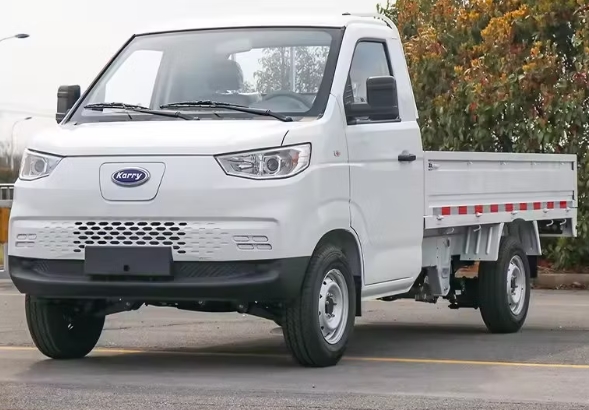
The Karry Elephant EV—also known as the “Little Elephant EV”—is one of the newest additions to Karry’s expanding lineup of fully electric commercial vehicles. Introduced in the early 2020s as part of a broader transition toward electrification, the Elephant EV represents a significant step forward for the Karry brand, combining the practicality of traditional micro-trucks with modern electric drivetrain technology.
This article explores the evolution of the Karry Elephant EV, including its origins, production timeline, model variants, trim levels, and its role in the future of electric commercial transportation.
Origins: Karry’s Transition to Electric Vehicles (2017–2022)
To understand the Elephant EV, it is important to first examine the transformation of its parent company, Karry. Originally established in 2009 as a sub-brand of Chery Automobile, Karry initially focused on low-cost gasoline-powered vans, pickups, and micro-trucks.
By 2017, however, Karry launched a dedicated electric division known as Karry New Energy, signaling a strategic pivot toward electrification.
This shift accelerated rapidly:
- 2019: Introduction of the electric Karry Dolphin, a purpose-built logistics van
- 2022: Launch of the Karry Porpoise, a next-generation electric delivery vehicle
- 2022–2023: Introduction of the Elephant EV as a truck variant of the Porpoise platform
By 2024, Karry had largely phased out internal combustion vehicles, focusing almost entirely on electric models.
.
THIS is GOOD stuff if your car is in need:

.
Introduction of the Karry Elephant EV (2022–2023)
Production Years
- 2022 (development and announcement)
- 2023–present (series production)
The Elephant EV was officially introduced as a micro-truck derivative of the Porpoise EV platform, sharing its electric architecture but adapting it for open-bed cargo applications.
Platform and Design
The Elephant EV is closely related to:
- Karry Porpoise (van version)
- Karry X6 (body structure reference)
It features:
- A cab-over design for maximum cargo space
- A body-on-frame construction for durability
- A fully electric drivetrain replacing traditional internal combustion engines
First Generation Elephant EV (2023–Present)
Core Specifications
The first-generation Elephant EV launched in early 2023 with the following specifications:
- Electric motor: 85 kW (approximately 114 horsepower)
- Battery: 55.7 kWh lithium iron phosphate (LFP)
- Range: approximately 156 miles (251 km)
- Drive system: rear-wheel drive
- Charging: fast charging capability (30%–80% in about 36 minutes)
This setup was designed for:
- Urban logistics
- Short- to medium-range delivery routes
- Small business operations
Body Styles and Configurations
Unlike earlier Karry micro-trucks that often offered numerous body variations, the Elephant EV has so far maintained a focused but flexible configuration strategy.
Primary Body Styles
- Standard cargo bed (flatbed)
- Box cargo conversion (aftermarket or fleet-specific)
- Specialized utility builds (regional adaptations)
The platform’s modularity allows businesses to customize it for:
- Delivery services
- Construction work
- Agricultural transport
Trim Levels and Model Variants
The Karry Elephant EV lineup has remained relatively streamlined compared to traditional gasoline models, but several configurations and trims have been identified across markets.
Core Model Structure (2023 Launch)
Base Model (Standard Elephant EV)
- Manual air conditioning
- Basic infotainment (USB connectivity)
- Standard safety features (ABS, airbags)
Enhanced / Fleet Trim
- Larger central display (up to 9 inches)
- Improved cabin materials
- Fleet telematics compatibility
Heavy-Duty Configuration
- Reinforced suspension
- Higher payload capacity (up to approximately 3,100 pounds / 1,405 kg)
Model Naming
In some documentation and markets, the vehicle is referred to as:
- Little Elephant EV
- Elephant EV 85kW
Unlike many passenger vehicles, trim distinctions are often defined more by payload capacity and equipment packages than luxury features.
Engineering and Technology
Electric Drivetrain
The Elephant EV uses a permanent magnet synchronous motor, a common choice in modern EVs due to:
- High efficiency
- Strong low-speed torque
- Reliability
Battery Technology
- Lithium iron phosphate (LFP) chemistry
- Improved thermal stability and safety
- Longer lifecycle compared to some lithium-ion alternatives
e-Motion Drive System
The vehicle incorporates Karry’s proprietary e-Motion Drive 2.0 system, which:
- Optimizes power delivery
- Improves charging efficiency
- Enhances overall drivetrain durability
Comparison to Earlier Karry Micro-Trucks
Before the Elephant EV, Karry’s lineup included numerous gasoline-powered micro-trucks such as:
- Karry Youjin
- Karry X6
Key Differences
| Feature | Gasoline Models | Elephant EV |
|---|---|---|
| Powertrain | Internal combustion | Fully electric |
| Maintenance | Higher | Lower |
| Emissions | Present | Zero tailpipe emissions |
| Torque | Moderate | Instant electric torque |
The Elephant EV represents a complete technological shift, rather than a simple update.
Market Role and Applications
The Elephant EV is designed primarily for:
- Urban delivery fleets
- Last-mile logistics
- Municipal services
- Small business transport
Its advantages include:
- Lower operating costs
- Quiet operation
- Compliance with urban emissions regulations
These attributes make it especially attractive in cities with strict environmental policies.
Global Availability and Regional Variants
While initially focused on China, the Elephant EV has begun appearing in:
- North Africa (e.g., Algeria)
- Emerging global markets
In these regions, it is often marketed as a cost-effective electric work vehicle, with localized configurations depending on regulations and customer needs.
Relationship to the Porpoise EV Platform
The Elephant EV is not a standalone design—it is part of a broader ecosystem built around the Karry Porpoise.
Shared Components
- Electric drivetrain
- Battery system
- Cabin structure
Key Differences
- Porpoise: enclosed van body
- Elephant: open cargo truck
This shared platform strategy allows Karry to:
- Reduce development costs
- Standardize parts
- Scale production efficiently
Production and Lifecycle Status
Production Timeline
- 2022: Platform introduction
- January 2023: Official launch of Elephant EV
- 2023–present: Active production
As of 2026, the Elephant EV remains a current production model and a core part of Karry’s electric lineup.
Future Outlook
The future of the Elephant EV appears closely tied to Karry’s broader electrification strategy.
1. Expansion of Variants
Future versions may include:
- Larger battery options
- Extended-range models
- Additional cab configurations
2. Integration with Smart Logistics
Karry is expected to integrate:
- Fleet management systems
- Connected vehicle technology
- Autonomous delivery features (long-term)
3. Global Market Growth
As demand for electric commercial vehicles increases worldwide, the Elephant EV is well-positioned to expand into:
- Southeast Asia
- Africa
- Latin America
Significance in the Electric Commercial Vehicle Segment
The Karry Elephant EV represents a new generation of affordable electric utility vehicles, combining:
- Proven micro-truck practicality
- Modern EV technology
- Cost-effective operation
It competes with other compact electric commercial vehicles but distinguishes itself through:
- Its modular platform
- Its relationship with the Porpoise EV
- Its focus on emerging markets
The Karry Elephant EV, introduced in 2023, is a key milestone in the evolution of Karry as a fully electric commercial vehicle manufacturer. Built on the foundation of the Porpoise EV platform, it transforms the traditional micro-truck concept into a modern, zero-emission solution for urban logistics and small businesses.
While still in its first generation, the Elephant EV already demonstrates the direction of the commercial vehicle industry—toward electrification, efficiency, and adaptability. As Karry continues to expand its electric lineup, the Elephant EV is likely to play a central role in shaping the future of compact utility transportation worldwide.