Royal Pontiac Bobcat GTO: The Dealer-Built Muscle Icon That Helped Define an Era
The Royal Pontiac Bobcat GTO isn’t a factory model built on a Pontiac assembly line — it’s a dealer-built performance legend. Created, sold, and enhanced by Royal Pontiac, the famed Pontiac dealership in Royal Oak, Michigan, the Bobcat GTO encapsulates the peak of American muscle car tuning and drag-strip performance during the 1960s. Over a decade before independent aftermarket tuners became mainstream, Royal Pontiac offered its own high-performance conversions that in many cases rivaled or exceeded factory performance options.
This article examines the evolution of the Royal Pontiac Bobcat GTO, covering its origins, modifications, the engines and variants associated with it, and why it remains a deeply cherished part of automotive history. It also explains what the Bobcat package was, how it fit into the broader muscle car movement, and what remains of this performance legend today.
A Dealer with a Performance Vision — The Rise of Royal Pontiac
In the late 1950s and early 1960s, Royal Pontiac — under the leadership of performance-driven dealer Ace Wilson Jr. — became one of the most respected performance dealerships in the United States. Royal Pontiac didn’t just sell new Pontiacs; it also offered factory-backed performance parts, dealer installed enhancements, and even raced cars at drag strips and other venues.
The name “Bobcat” has a unique origin: it was coined from combining letters from two of Pontiac’s full-size car names — Bonneville and Catalina — when Royal Pontiac first began producing high-performance versions of those models in the early 1960s. These early Bobcats were converted full-size Pontiacs equipped with potent engines, tuned parts, and performance tweaks that weren’t available directly from the factory.
As the muscle car movement gathered steam and the Pontiac GTO emerged as one of the era’s most iconic performance cars, Royal Pontiac naturally applied its Bobcat upgrades to GTOs as well. The result: Royal Bobcat GTOs, among the most thrilling dealer-enhanced performance Pontiacs ever produced.
.

.
What Was the Bobcat Package?
The Bobcat package was not a single rigid set of parts or a dealer option printed in Pontiac brochures. Instead, it was a custom-built dealer enhancement program consisting of multiple performance upgrades applied to a stock GTO (or other Pontiac) at the Royal Pontiac dealership.
Although components varied somewhat by model year and customer configuration, the core Royal Bobcat upgrades typically included:
- Thinner head gaskets to raise engine compression
- Modified spark advance timing to unlock higher power
- Larger carburetor jets and aircleaners for breathing efficiency
- Carb-heat riser blocking gaskets to reduce intake heat
- Valve-train shimming to allow the engine to rev higher
- Enhanced exhaust manifolds or headers where applicable
These modifications routinely yielded 30–50+ horsepower increases over stock — significant figures in an era before factory horsepower ratings grew constrained by emissions controls.
Bobcat cars were typically identified with dealer-affixed badges or paint trim and were often touted in period specialist magazines and performance circles as among the quickest street cars available.
Royal Bobcat GTO: Years Produced and Known Variants
Because the Bobcat was a dealer-installed performance conversion rather than a separate factory-coded Pontiac model, exact production totals and a strict “line card” of years and trims do not exist the way they do for factory muscle cars. What does exist is ample historical documentation and surviving examples showing that Royal Bobcat GTOs were built throughout the mid- to late 1960s during the height of the American muscle era.
Early Bobcat Years: 1963–1964
Before Pontiac even introduced the GTO as a factory option, Royal Pontiac was already tuning Pontiac engines from larger models and applying performance kits to LeMans and Catalina cars (which prefigured the GTO engine lineage). These earliest Bobcat creations laid the groundwork for later GTO work and helped establish Royal Pontiac’s reputation as a high-performance destination.
1965–1966: The GTO Bobcat Arrives
By 1965, Royal Bobcat upgrades were widely applied to Pontiac GTOs built on the LeMans line, often fitted with the 389 cubic-inch V8 and Tri-Power triple carburetor setup. These Bobcat GTOs boosted horsepower and improved throttle response well beyond what was available from the factory package.
Examples from this period include:
- 1965 Royal Bobcat GTO (Tri-Power or 389 V8) — Dealer-tuned 389 V8 with performance carburation and Bobcat enhancements.
- 1966 Royal Bobcat GTO — Continued use of the 389 with Bobcat tweaks; these are among the most commonly encountered dealer-enhanced classics today.
These early Bobcat cars were often compared favorably in street and strip tests to other famed performance cars of the period.
1967–1968: High-Output Bobcat Variants
As the muscle wars intensified, Royal Pontiac pushed the Bobcat conversions further:
- Some Bobcat GTOs of this era received stroked or aftermarket-tuned engines such as the 428 cubic-inch “Royal Bobcat 428”, offering power beyond standard GTO configurations.
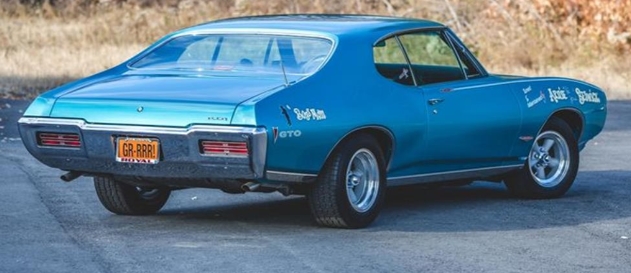
- A documented 1968 GTO delivered to Royal Pontiac was fitted with a Bobcat 428 HO engine and was featured in period magazines for its performance and racing capability.
These Bobcat 428 cars — sometimes nicknamed things like “Boss Man” by owners — are exceptionally rare today and among the most collectible examples of dealer-enhanced muscle cars.
Late-1960s to Early-1970s: Peak Muscle and Dealer Creativity
Royal Pontiac continued building Bobcat GTOs through the latter half of the 1960s, often with enhanced intake/exhaust, performance tuning, and — in some unofficial cases — oversize engine swaps that pushed well beyond factory norms. While Ace Wilson’s dealership eventually wound down its racing efforts in the late 1960s and early 1970s, Bobcat GTOs from this period remain among the most potent muscle car conversions of the era.
Trim Levels and Unique Bobcat Designations
Because the Bobcat was not a factory trim level or option code you could order directly from Pontiac, Royal Pontiac did not have a cataloged list of “Bobcat GTO trim levels” in the way a manufacturer might. Instead, Bobcat cars varied based on customer choices, engine combinations, and dealer modifications.
Known variations and features often mentioned include:
- Bobcat-Tuned 389 GTO — The most common variant, usually retaining Tri-Power or high-output carb configurations.
- Royal Bobcat-Tuned 428 GTO — A rarer and more extreme dealer modification that dropped larger engine displacement into the GTO.
- Free-Flowing Exhaust/Header Cars — Some Bobcats included more open exhaust systems beyond the standard manifolds.
- Racing-Oriented Builds — Cars prepared with drag-strip components such as heavy-duty cooling, suspension tweaks, and even safety gear for competitive use.
In many cases, Bobcat GTOs were individually tailored to customer specifications — meaning no two cars were always alike. This bespoke, performance-minded approach is part of what makes surviving examples so valuable and collectible today.
Performance and Cultural Impact
Royal Bobcat GTOs were known for their real-world improvements — not just flashy badges. Contemporary tests and owner reports from the 1960s show Bobcat-tuned cars reducing quarter-mile times and making noticeably more horsepower and torque than their stock factory counterparts.
More than just numbers on paper, the Bobcat cars helped bridge the gap between factory muscle cars and hot-rod culture. Enthusiasts saw Royal Bobcat cars as serious performance tools rather than mere cosmetic upgrades — and many were campaigned at drag strips far beyond dealer parking lots.
Royal Pontiac, Dealers, and the End of an Era
Royal Pontiac’s performance heyday largely ran from the late 1950s through the late 1960s. In 1969–1970, with tightening emissions rules, corporate racing restrictions, and shifting market forces, dealer-installed high-performance programs like Bobcat became less tenable. According to historical accounts, Ace Wilson eventually sold off his racing operations in the late 1960s and shifted the dealership’s focus before ultimately selling Royal Pontiac itself in the early 1970s.
Once the muscle car era faded in the mid-1970s, so too did dealer-specific performance brands like Bobcat. Unlike factory models, which maintained corporate support until discontinued, Bobcat lived on only in the cars that survived as collector classics and the memories of enthusiasts.
Collectibility and Legacy Today
Today, Royal Bobcat GTOs — especially from peak years like 1965–1968 — are prized collector cars. Auction results often show values that rival or exceed comparable factory performance models due to their rarity, documented dealer history, and performance pedigree.
These cars remain celebrated in collector circles and muscle car events, and they continue to be featured in classic car magazines, shows, and videos — such as the feature on the 1965 GTO Royal Bobcat by Jay Leno’s Garage.
Conclusion: What Made the Bobcat GTO Special
The Royal Pontiac Bobcat GTO was more than just a high-performance version of an already fast muscle car — it was a dealer-tuned expression of raw American hot-rodding ingenuity. At a time when factory performance options were limited by corporate policy and regulation, Bobcat conversions offered enthusiastic buyers a way to push their GTOs to the edge of capability — on the street and the strip.
Though Bobcat was never a formal factory trim, its legacy is undeniable. Each remaining Bobcat GTO tells a story of hands-on performance tuning, dealer creativity, and a time when horsepower was king and every extra pony mattered.
Royal Pontiac Bobcat GTOs remain icons not just because of their performance, but because they represent a chapter in American muscle car history when dealers and enthusiasts pushed the boundaries and created something truly unforgettable.