The Enduring Workhorse: Tracing the Legacy of the Daihatsu Zebra
In the bustling streets and rural pathways of Southeast Asia, a silhouette once ubiquitous, and still frequently seen, belongs to the Daihatsu Zebra. More than just a vehicle, the Zebra etched itself into the economic and social fabric of nations like Indonesia, Malaysia, and the Philippines, serving as a tireless workhorse for small businesses, a dependable people carrier, and a symbol of reliable, affordable utility. From its humble beginnings in the mid-1980s to its eventual transformation, the Daihatsu Zebra’s journey reflects the evolving needs of developing markets, establishing a legacy of durability, versatility, and sheer practicality.
A Brief History: Daihatsu and the Genesis of the Zebra
Daihatsu Motor Co., Ltd., Japan’s oldest car manufacturer, has long specialized in compact vehicles, kei cars, and small commercial vehicles. Their expertise in designing efficient, lightweight, and robust vehicles made them a natural fit for markets prioritizing affordability and low running costs. By the 1980s, the demand for simple, multi-purpose vehicles was booming in Southeast Asia, particularly in Indonesia, a key market for Daihatsu. Local assembly and production were crucial for economic growth and accessibility.
It was against this backdrop that the Daihatsu Zebra was conceived. Building on the success of earlier models like the Hijet, the Zebra, known internally as the S70 series, was introduced in 1986. It wasn’t a reinvention of the wheel but rather an evolution – a larger, more capable light commercial vehicle (LCV) and minivan designed specifically to meet the robust demands of its target markets. Its primary mission was to provide reliable transportation for both goods and passengers, often simultaneously, across challenging terrains and in conditions far removed from the paved highways of developed nations.
The First Generation (S70/S75 Series): The Foundation of a Legend (1986-1995)
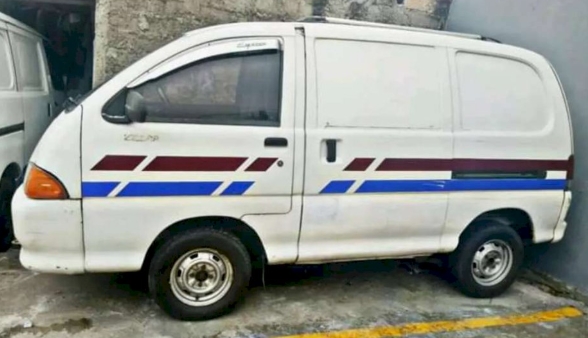
The inaugural Daihatsu Zebra, often referred to by its platform codes S70 and later S75, was a study in no-frills functionality. Its design was boxy, pragmatic, and immediately recognizable. This generation established the core identity of the Zebra: a compact, rear-wheel-drive package built on a sturdy ladder frame chassis, offering exceptional versatility.
Design and Body Styles: The S70/S75 Zebra was characterized by its utilitarian aesthetics. It came primarily in two main body styles:
- Minivan/MPV: A passenger variant, often marketed as a people carrier or public transport vehicle, capable of seating 7 to 9 occupants. These models featured large windows and sliding doors for easy access, making them ideal for shared taxi services (like the angkot in Indonesia) or family transport.
- Pickup Truck: A commercial variant with a robust cargo bed, available in standard fixed-side, drop-side, or three-way drop-side configurations. This version was a staple for small businesses, farmers, and delivery services, demonstrating the Zebra’s adaptability for freight.
Engines and Performance: Early S70/S75 models were typically powered by carbureted petrol engines, chosen for their simplicity, ease of maintenance, and ability to run on varying fuel qualities.
- 1.0-liter (CB20) inline-3: This smaller engine was economical and sufficient for light loads and urban driving, producing around 44-50 hp.
- 1.3-liter (HC-C) inline-4: A more powerful option, offering improved performance for heavier loads or longer distances, typically generating around 65-70 hp.
Both engines were paired exclusively with a 5-speed manual transmission, reflecting the Zebra’s no-nonsense approach to driving dynamics. Power was sent to the rear wheels, providing good traction even when fully loaded. Suspension was typically a straightforward setup: independent front suspension (often MacPherson struts) and a robust leaf spring rigid axle at the rear, designed to handle heavy loads and rough roads with minimal fuss.
Trim Levels and Features: Trim levels in the first generation were basic, focusing on utility rather than luxury. They might include:
- Standard: The most basic variant, often used for commercial purposes, with minimal interior appointments.
- Deluxe: Offered slight upgrades, perhaps better seat upholstery or a basic radio.
- Jumbo (or Super Van): Often denoted a longer-wheelbase version, providing more interior space for passengers or cargo, enhancing its utility further.
Air conditioning was often an optional extra, and power steering was virtually unheard of. Safety features were rudimentary by modern standards, reflecting the era and the vehicle’s price point. Despite its simplicity, the first-generation Zebra quickly gained a reputation for its tough construction, low purchase price, and exceptional running costs, which cemented its place in the market.
.
NO MORE dead batteries with this:

.
The Second Generation: Modernization and Refinement (S88/S89/S90/S91 Series, 1995-2007)
A decade after its debut, the market demanded more refinement, better comfort, and improved aesthetics. In response, Daihatsu launched the second generation of the Zebra in 1995, internally designated S88, S89, S90, and S91 depending on the specific model and engine. This generation introduced a significant facelift and a more modern approach, becoming widely known as the Daihatsu Zebra Esspass for passenger variants and Daihatsu Zebra Pickup for commercial versions in Indonesia. In Malaysia, it was rebadged as the Daihatsu Rusa.
Design and Body Styles: The second generation adopted a more aerodynamic and rounded design, departing from the previous boxy look. The front fascia was more streamlined, and the interior received considerable upgrades in ergonomics and materials. The core body styles remained:
- Zebra Esspass (Minivan/MPV): This continued as a popular 7-to-9-seater family and public transport wagon. It featured larger windows, improved ventilation, and more comfortable seating.
- Zebra Pickup: The commercial pickup variant remained a cornerstone, offering robust load-carrying capabilities. It was available with various bed configurations: standard, flat deck, and the highly versatile three-way drop-side tailgate.
- Specialized Variants: The strong chassis also lent itself well to conversions, including box vans, ambulances, and mobile retail units.
Engines and Performance: The second generation saw a significant upgrade in engine options, designed for better performance, fuel efficiency, and eventually, lower emissions.
- 1.3-liter (HC-C) inline-4: Carried over initially, it provided a reliable entry-level option, producing around 75 hp.
- 1.5-liter (HD-C) inline-4: Introduced early in this generation, it was a popular choice, offering a substantial boost in power (around 88 hp) and torque, making the Zebra more capable for heavier loads and highway driving. This engine was still carbureted.
- 1.6-liter (HD-E) inline-4: Introduced later, particularly after the major facelift around 2000, this was the most advanced engine for the Zebra. Crucially, it featured electronic fuel injection (EFI), significantly improving fuel economy, emissions, and overall refinement. It produced approximately 95 hp.
All engines continued to be paired with a 5-speed manual transmission, maintaining the vehicle’s reputation for reliability and ease of repair.
Trim Levels and Features: The second generation offered a wider array of trim levels, particularly for the Esspass passenger variants, catering to different budgets and feature preferences. Common trim levels for the Esspass might include:
- Esspass 1.3 Super Van / Master: Entry-level passenger models, often with basic cloth seats, manual windows, and minimal features. Focused on maximum seating capacity and affordability.
- Esspass 1.5 Deluxe / Grand: Mid-range models that introduced more comfort features. These often included air conditioning (single blower), fabric seats, basic audio systems, and perhaps a tachometer.
- Esspass 1.5 ZL / ZX: Higher-end variants during the early to mid-2000s, often featuring power steering, optional power windows (front only), alloy wheels, improved interior trim, and dual-zone air conditioning (for the longer versions), reflecting a shift towards more family-oriented use.
- Esspass 1.6 ZL / ZX: With the introduction of the 1.6L EFI engine, these were the top-tier models, offering the best performance and all available comfort features.
Commercial pickup variants, while less differentiated by trim, often had options for different cargo bed materials, safety bars, and basic interior comforts.
Facelifts and Updates: The second-generation Zebra underwent a notable facelift around the year 2000, which refreshed the front fascia (grille, headlights, bumper), updated the interior dashboard design, and introduced the more advanced 1.6L EFI engine. These updates kept the Zebra competitive for several more years.
The End of an Era and the Rise of Successors (2007 Onwards)
By the mid-2000s, consumer expectations and emission standards were once again evolving. While the Daihatsu Zebra remained a formidable and cost-effective solution, its foundational design, particularly in terms of safety features and modern conveniences, was beginning to show its age compared to newer rivals.
In 2007, Daihatsu made the strategic decision to discontinue the Zebra lineup. Its direct successor arrived in the form of the Daihatsu Gran Max. Launched in both passenger (Minibus/MPV) and commercial (Pickup/Blind Van) configurations, the Gran Max built upon the Zebra’s legacy of robust utility but incorporated a thoroughly modern design, enhanced safety features (like optional airbags and ABS in some variants), more refined engines (including 1.3L and 1.5L VVT-i engines), and improved overall comfort and driving dynamics. The Gran Max also went on to be rebadged for Toyota markets as the LiteAce and TownAce, extending its reach further.
Market Impact and Cultural Significance
The Daihatsu Zebra’s impact, particularly in Indonesia, cannot be overstated. It was more than just a vehicle; it was an enabler of livelihoods.
- Small Businesses: For countless entrepreneurs, the Zebra acted as their mobile shop, delivery van, or service vehicle, crucial for transporting goods from markets to remote villages.
- Public Transport: In many cities and towns, the Esspass variant was a ubiquitous form of public transport (angkot or shared taxi), providing affordable mobility to millions daily. Its robust build could withstand constant stop-and-go traffic and heavy loads.
- Family Vehicle: For many families, the Zebra was their first and only car, capable of carrying multiple generations and all their belongings.
- Durability and Maintainability: Its simple mechanics meant it was easy to repair, even in remote areas, with readily available and inexpensive spare parts. This low total cost of ownership was a key factor in its enduring popularity.
In other markets like Malaysia, the Daihatsu Rusa (meaning ‘Deer’ in Malay) served a similar role, albeit on a slightly smaller scale, solidifying the Zebra’s reputation across the region. Its presence represented practical mobility and economic opportunity.
Future Outlook and Enduring Legacy
For a vehicle whose production ceased over a decade ago, discussing a “future outlook” might seem counterintuitive. However, the Daihatsu Zebra continues to have a presence in its primary markets. Many older models remain on the road, a testament to their inherent durability and the resourcefulness of their owners. These vehicles are often meticulously maintained, rebuilt, and adapted, stretching their lifespan far beyond what was originally intended.
While unlikely to become a classic collector’s item in the traditional sense, the Zebra represents a significant chapter in automotive history – a case study in designing a fit-for-purpose vehicle for specific market needs. Its legacy lives on through its successors, the Gran Max and its Toyota derivatives, which continue to embody the principles of versatile, affordable, and robust commercial and passenger transport.
The Daihatsu Zebra may no longer roll off assembly lines, but its memory and impact persist. It stands as a monument to pragmatic design, unwavering reliability, and the power of a simple, honest machine to drive economies and connect communities. It was, quite simply, the unsung hero of countless journeys and endeavors, a true workhorse that earned its stripes.