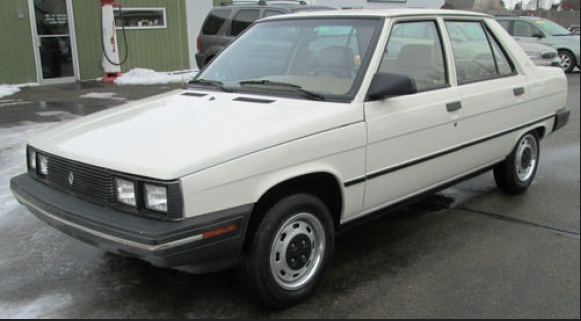
The Evolution of the Austin A35: A Milestone in British Economy Cars
The Austin A35, produced from 1956 to 1968, is a classic example of British automotive ingenuity that shaped the small car market during the post-war period. Positioned as a successor to the Austin A30, the A35 offered enhanced performance, comfort, and design refinement, cementing its place as one of the most iconic economy cars in British history. For over a decade, the A35 was a popular choice for families, businesses, and young drivers alike, thanks to its compact size, reliable engine, and affordability.
This article delves into the evolution of the Austin A35, examining its development, trim levels, key features, and the impact it had on both the British automotive market and the global small car segment. We will explore its history, its significance in the post-war recovery era, and how the A35’s legacy still resonates among collectors and car enthusiasts today.
Background and Development of the Austin A35
By the mid-1950s, the Austin Motor Company was already a well-established player in the British automotive industry, having developed several successful models during the pre- and post-war years. Following the introduction of the Austin A30 in 1951, which was a compact, affordable family car, the company recognized the need to update the model to meet the growing demand for even more efficient, modern, and stylish small cars. The Austin A35 was launched in 1956 as a direct successor to the A30, addressing its predecessor’s limitations with upgraded mechanicals, a new design, and more advanced features.
The A35 was a pivotal model for Austin, aimed at maintaining the company’s position in the highly competitive small car market. As an entry-level car, it was designed to be affordable to a wide range of customers, from everyday families to small business owners, and it represented a practical solution for the rising demand for personal mobility in post-war Britain.
One of the key changes from the A30 was the increase in engine size from 803 cc to 948 cc, which gave the A35 better performance and greater driving ease. The bodywork and design of the A35 were also updated, giving it a more modern and appealing appearance. The A35 offered several versions, including the two-door and four-door saloon, as well as a panel van for commercial use.
.

.
Launch and Early Production (1956–1959)
The Austin A35 was introduced in 1956, and its early production quickly gained traction due to its performance improvements over the A30. The new 948 cc inline-four engine produced 34 horsepower, a noticeable improvement over the A30’s 803 cc engine, which produced only 30 horsepower. The A35’s increased power output resulted in a top speed of around 65 mph (105 km/h), an attractive feature for drivers who sought both economy and liveliness on the road.
The A35’s improved engine was mated to a four-speed manual transmission, a step up from the A30’s three-speed gearbox, contributing to smoother and more reliable driving. In addition, the A35 featured a more modern hydraulic braking system, which provided better stopping power and safety than the drum brakes found on earlier models.
The exterior design was also updated, with a more refined and streamlined body, giving the A35 a fresh, contemporary look. The front end featured a redesigned grille, and the vehicle had more rounded body contours compared to the A30, which helped reduce wind resistance and improve aerodynamics.
Inside, the A35 offered a spacious, if simple, interior with room for four passengers. The dashboard was clean and functional, with round dials for speed and engine temperature, and the materials used for the seats and trim were practical yet comfortable. The A35 remained an affordable option for British families, with the added benefit of being relatively easy to maintain and repair—an important consideration for cost-conscious buyers.
Expansion of Trim Levels and Variants (1960–1964)
As the A35 gained popularity, Austin expanded its range to offer a broader selection of variants and trim levels to appeal to different market segments. The A35 was initially available in a two-door saloon and a four-door saloon, but by 1960, the company introduced a van version aimed at small business owners and tradespeople. The A35 Van featured a larger rear cargo area, with a separate loading space, making it ideal for commercial use. This van version was equipped with the same 948 cc engine and proved popular with tradesmen, offering a cheap and efficient solution for transporting goods.
In addition to the base models, Austin introduced some more luxurious trims in the A35 lineup. These included the Deluxe version, which offered a few additional features like improved interior trim, better upholstery, and additional chrome accents on the exterior. The Deluxe trim was designed to cater to buyers who were willing to spend a little more for a slightly higher level of comfort and style.
The A35’s practicality and low running costs made it especially attractive to younger drivers and families, who could benefit from its affordability without sacrificing too much on performance or comfort. The car’s reliability and durability were also key selling points, and it soon gained a reputation for being one of the most trustworthy small cars on the market.
The A35 and Its Role in Post-War Britain (1960s)
The Austin A35 played a significant role in the economic recovery of Britain in the 1960s. The demand for affordable cars was booming as the country began to emerge from the hardships of World War II. With the rise of the working and middle classes and the expansion of suburban areas, cars like the A35 became an essential part of daily life. Many British families saw car ownership as a way to improve their standard of living, and the A35 provided a practical and affordable option for those looking to purchase their first vehicle.
At the same time, the A35 was being embraced by small businesses and tradespeople who needed an affordable commercial vehicle to help with their operations. The A35 Van became a ubiquitous sight in both urban and rural areas, with its compact size making it ideal for maneuvering through narrow streets and country roads. The vehicle also offered a decent payload capacity for a car of its size, making it a versatile and useful tool for many entrepreneurs.
By the early 1960s, the A35 had established itself as a cornerstone of British motoring culture, and its blend of efficiency, reliability, and affordability helped to make it one of the best-selling cars of its era.
End of Production and Introduction of the A40 (1964–1968)
Although the Austin A35 continued to be produced for much of the 1960s, by 1964, it was becoming clear that the car’s design was beginning to show signs of age. As the automotive industry evolved, customers began to demand more power, refinement, and modern features, which the A35, with its simple and modest setup, could not fully satisfy. Austin’s own line of vehicles was also becoming more competitive, with new models like the Austin A40 offering more advanced features and greater engine performance.
By the time the A35 was phased out in 1968, it had been in production for over a decade. Its successor, the Austin A40, was introduced to offer a more modern and larger option in the compact car segment. The A40’s updated design, bigger engine, and more advanced features signaled a shift in Austin’s approach to the small car market.
Despite being replaced, the A35 had already established a solid legacy as one of Britain’s most beloved small cars. Its practicality, simplicity, and affordability ensured its place in the hearts of many drivers.
Legacy and Collectibility of the Austin A35
Though the A35 was discontinued in 1968, its legacy has lived on through the classic car community. Today, well-maintained examples of the A35 are highly sought after by vintage car enthusiasts and collectors, especially those with an interest in British cars from the mid-20th century. The A35’s distinctive design and its place in the history of British motoring make it a desirable vehicle for those looking to own a piece of automotive history.
Restoration projects for the A35 are common, with dedicated clubs and organizations supporting owners and offering advice on sourcing parts and maintaining these iconic vehicles. Enthusiasts appreciate the A35’s simplicity, ease of maintenance, and the historical significance of the model in Britain’s post-war automotive landscape.
The A35’s Influence on British Automotive Development
The A35 helped shape the future of small British cars, influencing the design and development of many subsequent models from Austin and other manufacturers. The introduction of the Austin Mini in 1959, for example, represented a significant step forward in small-car design, yet it owed much of its success to the earlier groundwork laid by models like the A30 and A35.
The A35 also demonstrated the potential of the small car market in Britain, setting the stage for future developments in fuel-efficient, compact vehicles that would dominate the automotive landscape for decades to come.
Conclusion: A Cornerstone of British Automotive History
The Austin A35 is a quintessential example of a post-war economy car that defined an era of British motoring. With its combination of practicality, affordability, and reliability, the A35 was a major player in the growth of the UK’s car market, providing affordable transportation to millions of families and businesses. Although it was eventually replaced by more modern models, the A35’s place in automotive history is secure, and its legacy continues to be celebrated by classic car enthusiasts and collectors around the world. Today, the Austin A35 stands as a symbol of British engineering, a testament to a simpler time in the automotive industry, and an enduring favorite among vintage car enthusiasts.