The Evolution of the Chrysler Voyager
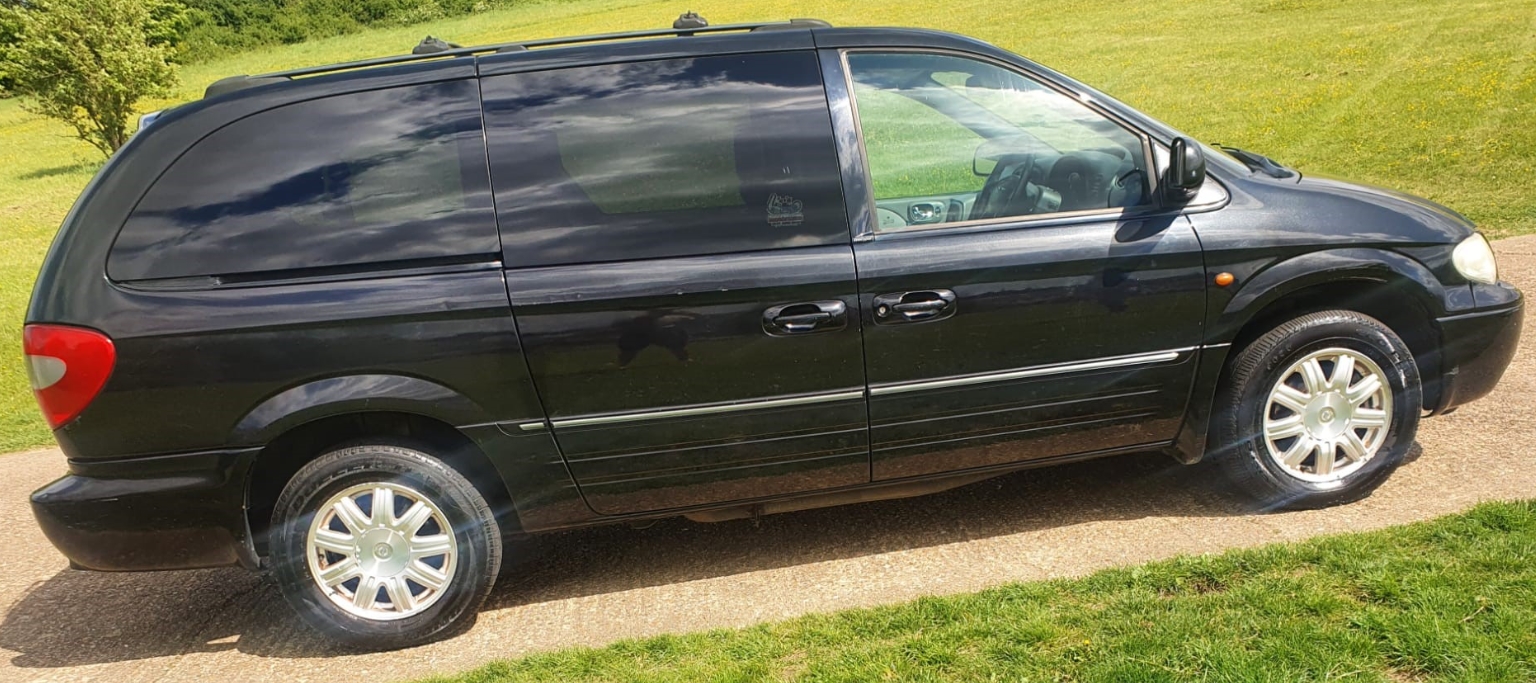
The Chrysler Voyager is a prominent nameplate in the minivan segment, recognized for its practicality, family-friendly features, and evolution over several decades. Its journey reflects the broader shifts in automotive design, technology, and consumer preferences from the early 1980s to the present day. This article traces the history of the Chrysler Voyager, detailing its production years, model variants, and trim levels throughout its evolution.
Origins and Early Years (1984–1995)
Introduction and Initial Launch (1984–1995):
The Chrysler Voyager was introduced in 1984 as a rebadged version of the Dodge Caravan and Plymouth Voyager, marking Chrysler’s entry into the burgeoning minivan market. Initially developed to compete with the Ford Aerostar and Chevrolet Astro, the Voyager was built on Chrysler’s front-wheel-drive compact minivan platform.
First Generation (1984–1995):
The first-generation Chrysler Voyager was available primarily in North America and Europe. It was distinguished by its boxy design, sliding side doors, and versatile interior configurations. During its production run, the Voyager was offered in multiple trim levels, often reflecting the market and country-specific needs.
- North American Models:
- Base: Entry-level with essential features, manual windows and locks, vinyl upholstery.
- LE (Luxury Edition): Added features like upgraded cloth upholstery, power windows, and better audio systems.
- ES (Elite Sport): Top-tier trim with additional comfort and convenience features, including air conditioning, premium audio, and sometimes a roof rack.
- European Models:
The European versions, manufactured at the European Chrysler plant, often featured different engine options (including diesel variants), and trim levels that ranged from basic to more luxurious variants similar to North American counterparts.
Powertrains and Features:
Throughout this period, the Voyager was equipped with a range of engines, including 2.2L and 2.5L four-cylinder engines, and later a 3.0L V6 in some markets. Transmission options included 3-speed automatic and 4-speed automatics.
Notable Developments:
- The introduction of the “Minivan” concept revolutionized family transportation.
- The 1990 facelift brought updated front-end styling, improved interior ergonomics, and safety features like reinforced side-impact protection.
Second Generation (1996–2000)
Redesign and New Platform:
The second-generation Chrysler Voyager debuted in 1996, based on the Chrysler NS platform, which was shared with the Dodge Caravan and Plymouth Grand Voyager. This generation saw significant improvements in styling, safety, and features.
Model and Trim Variants:
The availability and naming conventions varied by market, but generally included:
- Standard or Base Trim:
Basic version with manual features, vinyl seats, and minimal technology. - SE (Sport Edition):
Offered more comfort features, upgraded interior trim, and better audio systems. - LE or LX:
Higher trims with leather upholstery, power accessories, and additional convenience options. - Limited (Europe):
Focused on luxury features, including premium audio, leather seats, and advanced safety options.
Features and Innovations:
This generation introduced dual sliding doors, improved safety with driver-side airbags, and optional all-wheel drive in some markets. The interior was more spacious and versatile, with fold-flat seats and stow-and-go configurations emerging in later models.
Engines and Drivetrain:
Engine options included the 2.4L inline-4, 3.0L V6, and later the 3.3L and 3.8L V6 engines. Transmission options remained 4-speed automatics, with some markets offering 3-speed automatics.
Third Generation (2001–2007)
Major Redesign and Modern Features:
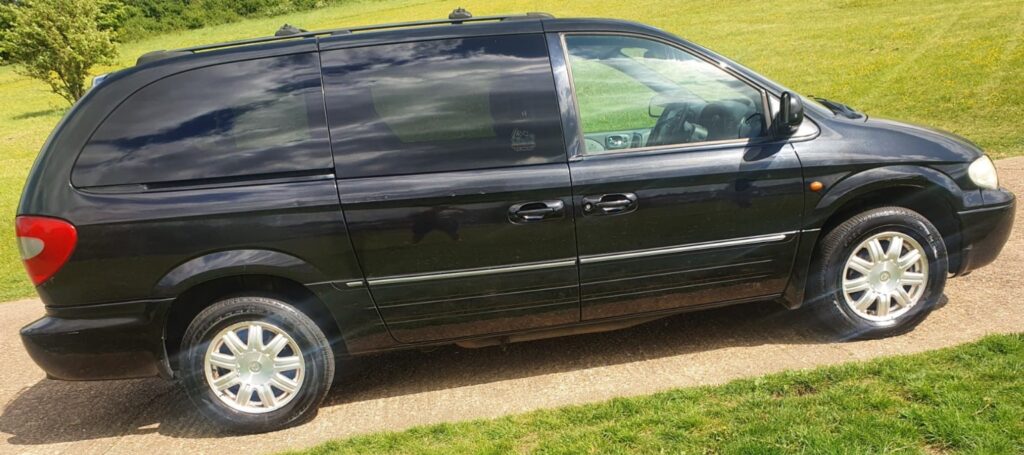
The third-generation Chrysler Voyager, launched in 2001, was a comprehensive redesign featuring a more aerodynamic exterior, modernized interior, and enhanced safety features.
Trim Levels and Models:
Trim levels evolved over this period, typically including:
- Base:
The entry-level version, equipped with essential features. - SE:
Added upgraded interior, power accessories, and improved audio. - Sport or SXT (later in the cycle):
Offered sportier styling elements, upgraded wheels, and additional convenience features. - Limited (North America):
Focused on luxury with leather upholstery, premium audio, and other upscale features.
Innovations and Features:
Key features included power sliding doors (standard on some trims), rear-seat DVD entertainment systems, and more advanced safety options such as anti-lock brakes and side airbags.
Powertrain Options:
The engines included 2.4L four-cylinder, 3.3L, and 3.8L V6 options, with transmission choices mostly consisting of 4-speed automatic transmissions.
Special Editions:
Various special editions were released, such as the “S Edition” with sportier styling, and “Touring” packages emphasizing family comfort and convenience.
Fourth Generation (2008–2016)
Introduction of the Chrysler Town & Country Nameplate:
In 2008, Chrysler merged the Voyager nameplate with the Town & Country branding in North America, leaving the Voyager as a European-specific model. In Europe, the Voyager continued as a distinct model based on the Chrysler Sebring platform.
European Chrysler Voyager (2008–2016):
The European Chrysler Voyager was built on the Chrysler RT platform, emphasizing luxury, comfort, and versatility.
- Trim Levels:
- Base: Provided all essential features.
- Limited: Included leather seats, advanced infotainment, and safety features.
- Lounge: Top-tier with premium materials, advanced technology, and additional convenience features.
Features:
This generation offered features like touchscreen infotainment, Bluetooth connectivity, dual-zone climate control, and multiple seating configurations.
Engines and Performance:
Powertrains included 2.8L diesel engines (common in Europe), along with petrol options like 2.2L and 3.6L V6 engines. Transmission options were predominantly 5-speed manuals or 6-speed automatics.
.
THIS might be a great place to get your new car from!
Or for those who are into the “car flipping” business, here’s an excellent resource for you!

.
The Discontinuation and Revival (2016–Present)
End of the Voyager Name in North America:
Chrysler officially discontinued the Voyager nameplate in North America after 2003, shifting focus to the Town & Country (later Pacifica) models.
European Market and Current Status:
In Europe, the Chrysler Voyager was produced until 2016, with a focus on luxury and family practicality. Post-2016, the Voyager nameplate was phased out in Europe, replaced by the Chrysler Grand Voyager and later, the Chrysler Pacifica in North America.
Recent Developments:
The modern Chrysler Pacifica, introduced in 2016, is considered the spiritual successor to the Voyager, offering hybrid powertrains, advanced safety features, and a highly versatile interior.
Summary of Key Models and Trim Levels by Era
| Era | Model Name | Notable Trim Levels | Key Features |
|---|---|---|---|
| 1984–1995 | Chrysler Voyager (First Gen) | Base, LE, ES | Basic to luxury trims, first minivan with sliding doors |
| 1996–2000 | Second Gen | Base, SE, LX, Limited | Improved safety, dual sliding doors, versatile interior |
| 2001–2007 | Third Gen | Base, SE, SXT, Limited | Modern styling, entertainment options, safety features |
| 2008–2016 | European Voyager | Base, Limited, Lounge | Focus on luxury, advanced tech, diesel options |
Final Remarks
The Chrysler Voyager’s evolution reflects the broader trends in minivan development: from basic family transport to a sophisticated, feature-rich vehicle tailored for comfort, safety, and versatility. While the Voyager nameplate has largely been phased out in favor of the Chrysler Pacifica and other models, its legacy remains as one of the pioneering vehicles that helped define the modern minivan segment.