The Evolution of the Honda Element
The Honda Element stands as one of the most distinctive and innovative vehicles of the early 21st century, blending utilitarian design with a quirky aesthetic that appealed to a diverse range of consumers—from outdoor enthusiasts to city dwellers seeking versatility. Launched in the early 2000s, the Honda Element’s evolution reflects shifts in automotive trends, consumer preferences, and Honda’s engineering innovations. This article explores the complete timeline of the Honda Element, including its production years, model variations, trim levels, and significant updates.
Introduction: The Birth of the Honda Element
Honda unveiled the Element concept at the 2000 North American International Auto Show, garnering immediate attention for its unconventional boxy shape, spacious interior, and flexible cargo configurations. Recognizing the potential appeal among active lifestyles and urban dwellers, Honda announced the production of the Element, which officially entered the market in 2003.
Production Timeline: 2003–2011
The Honda Element was produced over a span of nearly a decade—specifically from 2003 through 2011—primarily for the North American market. It was assembled at Honda’s East Liberty plant in Ohio, emphasizing Honda’s commitment to US manufacturing.
First Generation (2003–2011)
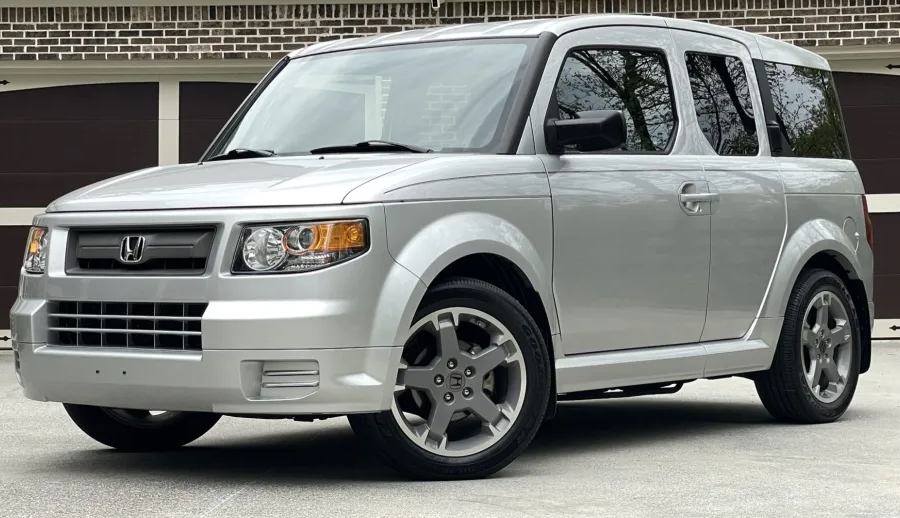
The first-generation Honda Element was introduced in 2003 as a 2003 model and remained largely unchanged until its discontinuation in 2011. This generation was notable for its distinctive, utilitarian design, rear-hinged “suicide” doors, and versatile interior.
Model Years and Key Updates
2003–2006: Initial Launch and Early Models
- 2003 Honda Element: The debut model year introduced the core design, featuring a high-riding, boxy shape, and an emphasis on utility. The initial lineup included two main trim levels:
- DX: The base model, equipped with a 2.4-liter inline-4 engine producing 166 horsepower, a five-speed manual transmission (standard), with optional five-speed automatic.
- EX: Offered additional features such as air conditioning, power windows, and upgraded audio systems.
- Features: Standard features across models included a versatile, removable rear seat, watertight interior panels, and no carpeting, making it easy to clean—a feature targeted at outdoor and active consumers.
2004–2006: Mid-Cycle Refresh
The 2004 model year saw minor updates, including:
- Introduction of Honda’s VTEC-E technology on the 2.4-liter engine for improved fuel economy.
- Addition of standard anti-lock brakes (ABS) across all trims.
- The 2005 model year introduced a special edition called the ‘Street’ package, featuring unique graphics and accessories.
By 2006, Honda made further refinements:
- The audio system was upgraded, with optional MP3/CD changers.
- Interior enhancements included new seat fabrics and improved cabin storage options.
- The EX trim received additional features like cruise control and an upgraded audio system.
2007–2008: Second Major Refresh
The 2007 model year marked a significant refresh, often referred to as the “2nd Generation” in the Element’s lifecycle, although stylistically it remained similar to earlier models.
- Exterior updates included new front and rear bumpers, grille redesign, and new wheel designs.
- Interior improvements featured a more refined dashboard, increased sound insulation, and optional side airbags for the first time.
- Honda introduced the “SC” trim level as a sportier variant, featuring unique styling cues.
2009–2011: Final Years and Discontinuation
In its final years, the Element received only minor updates:
- In 2009, Honda added a navigation system option.
- The 2009-2011 models continued with the same trim lineup, which included:
- DX (base model)
- LX: Added features like cruise control, power locks, and upgraded audio.
- SC: Sporty trim with unique exterior accents and interior touches.
The Element was discontinued after the 2011 model year due to declining sales and shifting consumer preferences toward crossovers and SUVs.
Trim Levels and Features Over the Years
Throughout its production run, the Honda Element’s trim levels evolved, reflecting technological advancements and market positioning.
Early Years (2003–2006):
- DX:
- 2.4L engine, manual transmission
- No power windows or locks
- Basic radio
- No air conditioning (optional)
- Removable seats, waterproof interior
- EX:
- Upgraded audio system
- Power windows and locks
- Air conditioning
- Alloy wheels (later years)
- Optional side airbags
Mid to Late Years (2007–2011):
- LX:
- Similar to EX but with fewer luxury features
- Optional side airbags
- Upgraded audio system
- SC (Sport Compact):
- Unique styling accents, including sportier bumpers and graphics
- Upgraded interior trim
- Larger wheels and tires
- Sometimes included features like a premium sound system
- Special Editions:
- Several special editions appeared, including the Street, Xtreme, and Xtreme Sport packages, which added exterior graphics, unique wheels, and interior styling cues to appeal to niche markets.
Notable Features and Innovations
The Honda Element was recognized for several innovative features:
- Versatile Interior: The rear seats could fold flat or be removed entirely to create a cargo area measuring over 74 cubic feet.
- Watertight Interior: Plastic panels and washable interior surfaces made it easy to clean after outdoor adventures.
- Rear-Hinged Doors: The “suicide” doors provided wide access to the rear seats and cargo area.
- Flexible Seating: The rear seats could be configured in multiple ways, including a “bed” arrangement.
During its lifespan, Honda added features like side airbags, traction control, stability control, and navigation systems to keep the Element competitive.
.
RepairSurge Online Repair Manuals Replace Bulky Books With Reliable Digital Information!
Faster And Cheaper Than Traditional Printed Manuals, Users Get Instant Access To The Repair Information They Need For Any Car, Truck, Van or SUV:
.
The Discontinuation and Legacy
Honda officially ceased production of the Element after the 2011 model year. The decision was influenced by changing consumer tastes—shifting away from boxy, utilitarian vehicles toward more refined crossovers—and declining sales.
Despite its discontinuation, the Honda Element remains a cult classic, celebrated for its unique design, practicality, and rugged appeal. Its influence can be seen in later Honda models like the HR-V and in the broader trend of versatile, lifestyle-oriented vehicles.
Summary
| Year | Model and Trim Levels | Key Features and Updates |
|---|---|---|
| 2003 | DX, EX | Original release, basic features, waterproof interior |
| 2004–2006 | DX, EX (with special editions) | Minor updates, technology improvements, special editions |
| 2007 | Redesigned bumpers, interior refinements | Introduction of SC trim, styling updates |
| 2008–2009 | LX, SC | Additional features, optional navigation |
| 2010–2011 | LX, SC | Final updates, feature refinements |
Conclusion
The Honda Element’s evolution from 2003 to 2011 showcases a vehicle that prioritized practicality, customization, and a distinctive aesthetic. Its various trim levels and continual updates reflected Honda’s commitment to offering versatile options suited to a broad audience. While its production ended over a decade ago, the Element’s legacy endures as a symbol of innovative design and functional versatility in the compact SUV segment.