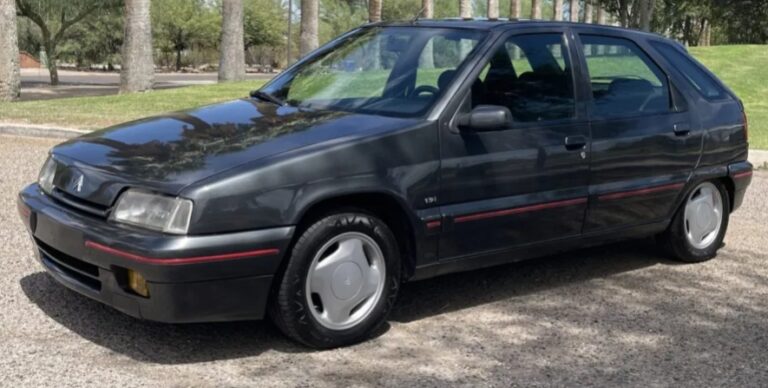
The Evolution of the Lada Niva
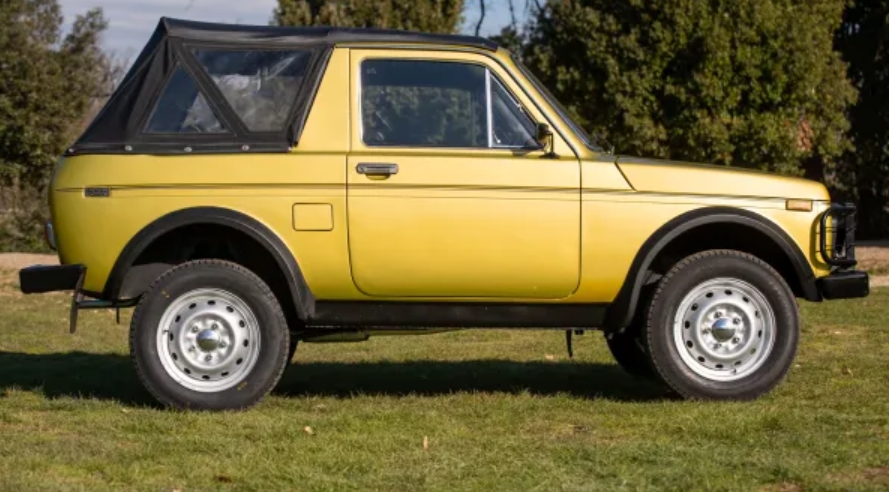
The Lada Niva, officially known as the VAZ-2121, is one of the most iconic and enduring off-road vehicles to originate from Russia. Since its inception in the late 1970s, the Niva has become a symbol of rugged durability, simplicity, and practicality. Over the decades, it has undergone numerous updates, variants, and improvements, maintaining its reputation as a versatile and affordable off-roader. This article traces the detailed evolution of the Lada Niva, including its production years, model variants, and trim levels.
Origins and Early Development (1970s–1980s)
Introduction and Production Initiation (1977–1980)
The development of the Lada Niva began in the early 1970s, with design work led by the Soviet automobile manufacturer VAZ (Volzhsky Avtomobilny Zavod). The goal was to create a compact, lightweight, and capable off-road vehicle suitable for the challenging terrains across the Soviet Union and Eastern Bloc countries.
The Niva was officially introduced in 1977 at the Moscow International Motor Show. It was built on a separate chassis with a unibody construction, featuring a three-door design with a boxy, utilitarian aesthetic. Its compact size, high ground clearance, and full-time four-wheel drive made it an immediate hit in rural and off-road applications.
Initial Models and Trim Levels
At launch, the Niva was offered in basic trims emphasizing functionality. The earliest models were equipped with:
- Engine: 1.6-liter inline-four carbureted engine producing around 77 horsepower.
- Transmission: 4-speed manual.
- Drive: Full-time four-wheel drive with a low-range transfer case.
- Suspension: Rigid axles with coil springs.
- Interior: Minimalist with basic instrumentation.
The initial model was primarily aimed at utilitarian use, with few options or trims available.
1980s: Expansion and Refinement
Introduction of the 4×4 Variant and Market Expansion
Throughout the early 1980s, the Niva continued to develop with incremental updates. Recognizing its popularity, VAZ expanded the range to include more variants, mainly focusing on improving comfort, safety, and convenience.
Major Updates in the 1980s:
- 1981: Introduction of the Lada Niva 4×4 with optional enhancements such as better seating and improved interior trim.
- 1984: Launch of the Lada Niva 4×4 Luxe, featuring a more comfortable interior, improved instrumentation, and additional trim options.
- 1985: Introduction of a five-door (station wagon) version, expanding practicality for families and commercial use.
- 1988: The Niva received a facelift with minor aesthetic updates, including new grille design, bumpers, and interior improvements.
Trim Levels and Variants:
During the 1980s, the Niva’s trims were mostly simplified, but the key variants included:
- Base Model: Focused on utility with minimal features.
- Luxe or Luxe Plus: Added interior comfort, improved upholstery, and sometimes side moldings.
- Commercial/Utility Version: Offered without rear seats or with flat cargo areas, tailored for commercial use.
Engine and Mechanical Evolution:
While the 1.6-liter engine remained standard, some models experimented with carburetor improvements and minor mechanical updates to improve reliability.
1990s: Market Diversification and International Presence
Post-Soviet Era and Production Changes (1990–2000)
Following the dissolution of the Soviet Union, the Niva’s production and distribution expanded beyond Russia into Eastern Europe, Africa, and other markets. The 1990s saw the introduction of several updates and variants to adapt to changing market demands.
Key Developments:
- 1992: Introduction of fuel-injected versions to meet more stringent emissions standards.
- 1994: Launch of the Lada Niva Classic with improved safety features, including reinforced chassis and better crash protection.
- 1997: Introduction of a cab version (pickup truck), expanding commercial utility.
- Late 1990s: Some models were equipped with electronic fuel injection (EFI), improving performance and fuel economy.
Trim Levels and Special Editions:
Throughout the 1990s, trims grew more varied, with notable variants including:
- Standard Niva: Basic, utilitarian model.
- Niva Luxe: Enhanced interior with better seats, trim, and sometimes air conditioning.
- Niva Urban: A more modern styling package aimed at urban consumers, with body-colored bumpers and new wheel designs.
- Niva Commercial: Panel van and pickup variants for commercial applications.
- Limited Editions: Occasionally released in limited numbers with special decals, colors, or equipment.
Mechanical and Safety Updates:
During this period, safety features like seat belts, improved lighting, and reinforced bumpers became more common across trims. Mechanical updates included the adoption of better transmission components and chassis reinforcement.
2000s: Facelift and Modernization
The Niva 4×4 and the Relaunch (2000–2010)
In the early 2000s, VAZ focused on modernizing the Niva to meet new safety and emissions standards, as well as increasing its appeal in international markets.
Key Changes and Models:
- 2002: Introduction of a facelifted Niva featuring updated bumpers, grille, and interior dashboards. The 1.7-liter SOHC engine replaced the older 1.6-liter, offering slightly more power and improved emissions.
- 2005: Launch of the Lada Niva Urban with modern styling cues, and optional features like power steering, improved suspension, and optional air conditioning.
- 2007: Release of the Niva Legend, marking a return to the classic design with minor updates, as the company aimed to keep the rugged appeal alive.
- 2009: Introduction of ABS brakes and optional airbags in some trims, aligning with international safety norms.
Trim Levels:
By this time, the Niva’s trims included:
- Standard Base: Basic off-road capabilities, minimal features.
- Luxe: Interior upgrades, optional air conditioning, better upholstery.
- Urban/Modern: Styling updates with better comfort features.
- Off-road/Adventure: Equipped with accessories like roof racks, skid plates.
2010s: The Niva Revival and Continued Production
Continued Production and the Niva 4×4 (2010–2020)
Despite the age of its fundamental design, the Niva remained popular, especially in rural areas and among off-road enthusiasts. VAZ (later AvtoVAZ) continued to produce the vehicle with incremental updates.
Major Developments:
- 2014: Introduction of the Lada Niva Travel, a modernized version with a more refined interior, improved safety features, and better ride comfort. It retained the classic boxy shape but featured modern touches.
- 2015–2016: Several special editions were released, including the Niva Urban, Niva Legend, and Niva Cross Country, each emphasizing different aspects like comfort, style, or off-road capability.
- 2017: A significant facelift brought new bumpers, LED lighting, improved suspension, and updated interior materials.
- 2019: Introduction of a 1.8-liter engine replacing the older powerplants in some markets, offering better performance.
Trim Levels in the 2010s:
- Standard Niva/Legend: Basic trim, solid off-road features.
- Niva Urban: Modern styling, comfort features.
- Niva Cross Country: Enhanced off-road and adventure features.
- Niva Luxe: Higher trim with upgraded interior and optional extras.
The 2020s and the Future of the Niva
Latest Models and Variants (2020–Present)
In recent years, the Niva has maintained its core identity but has also seen efforts at modernization and diversification. The most recent models include:
- 2020 onward: The Niva continues to be produced with minor updates, focusing on durability, affordability, and off-road capability.
- Niva Travel: Remains popular in Eastern Europe, with some markets receiving updated infotainment systems and safety features.
- Special Editions: Limited runs and off-road variants like the Niva Cross Country and Niva Expedition.
Upcoming Developments
Vaz is reportedly working on modernized, more globally competitive versions, potentially involving collaborations with other manufacturers, to meet modern safety, emissions, and comfort standards.
.
We LOVE cars & cruising around, but sometimes day trips to explore new cities are required (with family or friends) for a spice of variety in your life!
So GO explore!
Cruises & Day/Night City Tours to: Baltimore, Boston, Chicago, Marina Del Ray, New York, Niagara, Philadelphia, San Diego, San Francisco, Toronto, Washington DC, etc.:

.
Summary of Key Models and Variants Over the Years
| Era | Notable Models / Variants | Features / Highlights |
|---|---|---|
| 1977–1980s | Original VAZ-2121 | Basic, utilitarian, full-time 4WD |
| 1980s | Luxe, Luxe Plus, Station Wagon | Interior upgrades, five-door version |
| 1990s | Classic, Urban, Pickup, Limited Editions | Emissions upgrades, safety improvements |
| 2000s | Facelifted Niva, Niva Urban, Niva Legend | Modern styling, safety features |
| 2010s | Niva Travel, Cross Country, Luxe | Comfort, off-road enhancements |
| 2020s | Ongoing production, special editions | Durability, modernization efforts |
Conclusion
The Lada Niva’s journey from a simple Soviet utility vehicle to an international off-road icon spans over four decades of evolution. Despite many updates, its fundamental design philosophy—ruggedness, simplicity, and affordability—remains intact. Its various models and trim levels have reflected changing consumer preferences, safety standards, and technological advancements, yet the Niva continues to be a beloved vehicle for off-road enthusiasts and practical users worldwide.
The future of the Niva looks promising, with ongoing modernization efforts aimed at keeping its legacy alive in a rapidly evolving automotive landscape. Whether in its classic form or as a modernized Niva Travel, the vehicle remains a testament to durable design and the enduring appeal of simple, capable off-road vehicles.