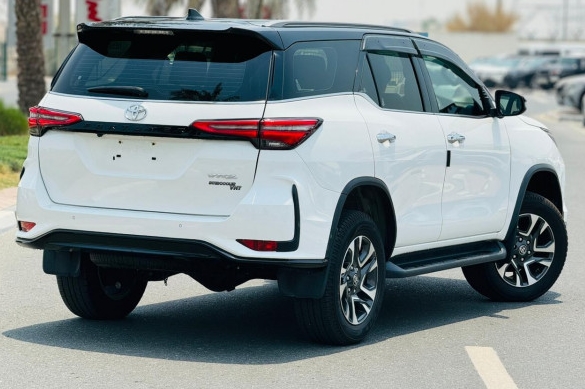
The Evolution of the Toyota Fortuner
The Toyota Fortuner has established itself as a prominent mid-size SUV known for its durability, versatility, and reputation for reliability. Over the years, the Fortuner has undergone significant evolution, adapting to changing market demands, technological advancements, and consumer preferences. This article provides a detailed chronological overview of the Toyota Fortuner, including its production years, model variations, and trim levels offered throughout its history.
Origins and Introduction (2004–2008)
First Generation (2004–2008)
The Toyota Fortuner debuted in 2004, primarily targeting the Asian and Australian markets. It was built on the Toyota IMV (Innovative International Multi-purpose Vehicle) platform, sharing components with the Toyota Hilux pickup truck, which contributed to its ruggedness and off-road capabilities.
Key Features and Trim Levels
Initially launched in Thailand, Indonesia, and Australia, the first-generation Fortuner was available with:
- Engine Options:
- 2.7-liter four-cylinder petrol engine (2TR-FE)
- 3.0-liter four-cylinder turbo-diesel engine (1KD-FTV)
- Transmission Options:
- 5-speed manual
- 4-speed automatic (petrol models)
- 5-speed manual or 4-speed automatic (diesel models)
- Trim Levels:
- Base
- G
- V
The first-generation Fortuner was appreciated for its sturdy build, off-road capability, and practicality, making it popular among families and adventure enthusiasts alike.
Second Generation (2008–2015)
Launch and Redesign
In 2008, Toyota introduced the second-generation Fortuner, built on an upgraded IMV platform. This generation marked a significant redesign with a more refined look, improved comfort, and enhanced safety features.
Design and Features
- The exterior adopted a more modern, SUV-oriented design, with a prominent front grille and sharper lines.
- The interior was upgraded with better materials, more comfortable seating, and added technological features.
- The second-generation Fortuner was available with an array of safety features, including anti-lock braking system (ABS), electronic brakeforce distribution (EBD), and optional airbags.
Engine Lineup
- 2.7-liter petrol (2TR-FE)
- 2.4-liter turbo-diesel (2GD-FTV)
- 2.8-liter turbo-diesel (1GD-FTV)
Transmission
- 5-speed manual
- 4-speed automatic (petrol)
- 6-speed manual or automatic (diesel models)
Trim Levels
The model line-up varied by market but generally included:
- G: Mid-range trim with essential features.
- V: Higher trim with additional comfort and safety features.
- V Luxury / G Luxury: Top-tier trims available in some markets with leather seats, premium audio, and advanced safety tech.
In markets like Thailand and Australia, special editions and variants such as the “Rocco” (a sportier version) and “Legender” (a more refined variant) appeared later in this generation.
Market-Specific Variants
- Thailand: The Fortuner gained popularity with variants like the Legender, which introduced sportier styling and enhanced features.
- Australia: Focused on off-road and family-oriented trims, including rugged variants with additional protective features.
Third Generation (2015–2023)
Introduction and Design
Launched in 2015, the third-generation Toyota Fortuner represented a significant leap, adopting a more refined, SUV-centric design aligned with global Toyota styling cues. Built on the Toyota New Global Architecture (TNGA) platform, this generation emphasized safety, comfort, and technology.
Design and Features
- The exterior design was more aerodynamic, with a prominent grille, sleek headlights, and a muscular stance.
- Interior upgrades included a modern dashboard, touchscreen infotainment system, and improved ergonomics.
- Advanced safety features became standard, including Toyota Safety Sense, which encompasses pre-collision systems, adaptive cruise control, and lane departure alerts.
Engine and Transmission Options
- 2.4-liter turbo-diesel (2GD-FTV)
- 2.8-liter turbo-diesel (1GD-FTV)
- 2.7-liter petrol (2TR-FE)
- Some markets also offered a 2.7-liter hybrid variant later in its lifecycle.
Transmission choices included:
- 6-speed manual
- 6-speed automatic transmission
- 6-speed or 8-speed automatic in some variants
Trim Levels and Market Variants
Throughout this generation, Toyota offered a range of trims tailored to regional preferences:
- Standard/Low Trim: Focused on affordability with basic features.
- Mid-Range (G or GX): Added features such as alloy wheels, upgraded infotainment, and safety packages.
- High-End (V or Crusade): Included leather seats, premium audio, climate control, and advanced driver assistance systems.
- Legender (Thailand and Southeast Asia): A sportier, more stylish variant with unique styling cues, larger wheels, and additional tech features.
- Premium Variants: Some markets featured luxury-oriented trims with extensive comfort and safety features.
Special Editions and Updates
- In 2018, Toyota introduced the Fortuner Legender in Thailand, distinguished by a more aggressive front grille, sportier styling, and additional features.
- In 2020, a facelift was released, featuring updated front and rear styling, new LED lighting, and improved infotainment systems.
Recent Developments and the Future (2023 and Beyond)
Latest Model and Features
The current (as of 2023) Fortuner continues to build on the third-generation platform with incremental updates:
- Enhanced safety features, including Toyota’s latest driver assistance systems.
- Improved infotainment with larger screens, smartphone connectivity, and navigation.
- Powertrain refinements for better efficiency and performance.
- Continued availability of the Legender variant with sporty styling.
Regional Variations
Toyota continues to tailor the Fortuner to regional markets, with options ranging from basic trims for affordability to fully loaded luxury variants. Hybrid versions have been introduced in select markets, reflecting Toyota’s global push toward electrification.
.
RepairSurge Online Repair Manuals Replace Bulky Books With Reliable Digital Information!
Faster And Cheaper Than Traditional Printed Manuals, Users Get Instant Access To The Repair Information They Need For Any Car, Truck, Van or SUV:
.
Summary of Key Milestones
| Era | Years | Notable Features & Changes | Engine Options | Trim Levels & Variants |
|---|---|---|---|---|
| First Generation | 2004–2008 | Rugged design, sharing with Hilux | 2.7L petrol, 3.0L diesel | Base, G, V |
| Second Generation | 2008–2015 | Modern styling, safety upgrades | 2.4L, 2.8L diesel; 2.7L petrol | G, V, Luxury, Rocco, Legender |
| Third Generation | 2015–present | TNGA platform, advanced safety, luxury trims | 2.4L, 2.8L diesel; 2.7L petrol | Standard, G, V, Crusade, Legender |
Conclusion
The Toyota Fortuner’s evolution reflects its adaptability and commitment to meeting diverse customer needs worldwide. From its rugged roots designed for off-road adventures to its current sophisticated, safety-oriented model, the Fortuner has continuously evolved to stay relevant in the competitive SUV market.
Its broad range of trim levels and regional variants underscore Toyota’s strategy to cater to different preferences, whether for affordability, luxury, or off-road capability. As it moves forward, the Fortuner is expected to incorporate more electrification and advanced driver assistance systems, ensuring its place as a reliable and modern SUV for years to come.
Note: The specific trims and features can vary significantly by country and model year, and Toyota frequently updates its offerings based on regional demand and technological advancements.