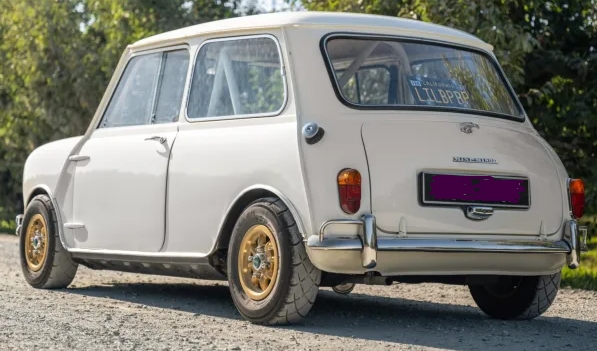
The Evolution of the TVR Vixen: Britain’s Hand‑Built Sports Car of the Late 1960s and Early 1970s
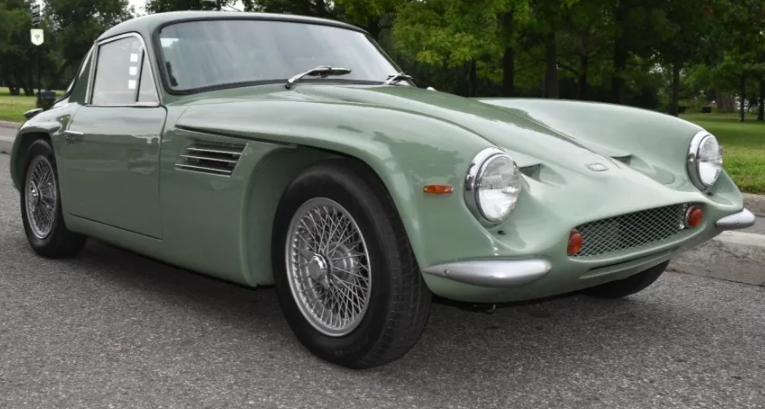
The TVR Vixen is a classic British sports car that played an important role in the early history of TVR, the small but passionate automaker based in Blackpool, England. Produced from 1967 to 1973, the Vixen marked TVR’s transition from earlier Grantura‑based cars toward more modern, Ford‑powered sports cars in the pre‑M‑Series era. With its lightweight fiberglass body and independent suspension, the Vixen delivered engaging performance and sharp handling — traits that would become hallmarks of TVR’s cars for decades. This article traces the evolution of the Vixen, outlines the different models and trim levels offered, details its technical specifications and production history, and assesses its legacy and future outlook in the classic car world.
Origins and Brief History
The Vixen was introduced in 1967 as a successor to the TVR Grantura 1800S, a car that used an MG‑powered engine and was part of TVR’s earlier series of sports cars. The shift from Grantura to Vixen represented a commitment by TVR — under the ownership of Martin and Arthur Lilley since 1965 — to adopt more modern Ford engines and extract better performance from a lightweight package.
Hand‑built at TVR’s Blackpool facility, the Vixen was characterized by its:
- Fiberglass bodywork attached to a tubular frame.
- Independent suspension with double wishbones and coil springs.
- Rear‑wheel drive and a sporty, compact coupe design.
- Various engine options, primarily from Ford and later Triumph for special variants.
This combination produced a car that was light, responsive, and quite competitive for its time — a real driver’s car rather than a refined grand tourer.
Vixen Series Evolution
Over its production life, the Vixen evolved through several distinct series and variants. Each represented incremental improvements in design, performance, and market focus.
1. TVR Vixen S1 (1967–1968)
- Production Years: 1967–1968
- Engine: Ford Kent 1.6 L (often called a “Crossflow”)
- Power: ~88 bhp
- Number Built: 117 units
The S1 was the first Vixen and represented a clear evolution from the Grantura 1800S — the earlier Grantura bodyshell adapted to use Ford’s 1.6‑litre Kent engine, replacing the older MG unit. Handling was tight and weight was low, but performance was modest by modern standards.
Improvements over the Grantura included more modern suspension geometry and a sharper, purposeful body design. These changes helped make the Vixen a competitive small sports car in its day.
.

.
2. TVR Vixen S2 (1968–1970)
- Production Years: 1968–1970
- Engine: Ford Kent 1.6 L inline‑four
- Number Built: 438 units
The S2 was the first major update and the most numerous Vixen series ever built. Key enhancements included a longer wheelbase to match the TVR Tuscan’s chassis, which allowed for longer doors and easier cabin access — a practical improvement many owners appreciated.
This generation retained the tried‑and‑true Ford Kent engine but incorporated over 75 improvements compared to the S1, including refinements in suspension and ergonomics that made the car more enjoyable both on the road and at higher speeds.
3. TVR Vixen S3 (1970–1972)
- Production Years: 1970–1972
- Engine: Ford Kent 1.6 L (with some improvements)
- Number Built: 168 units
The S3 brought additional detail changes. Some received the more powerful Kent engine variant derived from the Ford Capri 1600 GT, yielding slightly better performance and smoother running characteristics. It also adopted styling cues from contemporary Ford models, such as different side vents.
While still recognizably a Vixen, the Series 3’s chassis and body refinements helped bridge the car toward emerging TVR designs that would evolve into the M‑Series.
4. TVR Vixen 1300 (1971–1972)
- Production Years: 1971–1972
- Engine: Triumph Spitfire 1.3 L inline‑four
- Number Built: ~15 units
The Vixen 1300 was introduced as a budget‑oriented variant aimed at more cost‑conscious buyers. It used a smaller Triumph engine to try to appeal in markets where lower displacement meant lower taxes or insurance costs. Unfortunately, the small engine was underpowered compared to the Kent units — with a top speed of only around 90–95 mph — and the model proved commercially unsuccessful.
Only around 15 of these cars were built, and many owners and historians regard the 1300 as more of an experiment than a long‑term model.
5. TVR Vixen 2500 (1970–1973)
- Production Years: 1970–1973
- Engine: Triumph 2.5 L inline‑six
- Number Built: ~385 units
The Vixen 2500 was a significant departure from the Kent‑powered cars. Designed largely for the U.S. market, this version used a larger Triumph 2.5‑litre straight‑six engine — a configuration that offered both better performance and emissions compliance in America.
While the engine did not deliver massive power by today’s standards, it provided a smoother, more tractable driving experience. Two‑thirds of these cars were exported to the U.S., and many of the final 96 Vixen 2500s were built on the newer M‑Series chassis with Vixen‑style bodywork.
6. TVR Vixen S4 (1972–1973)
- Production Years: 1972–1973
- Engine: Ford Kent 1.6 L
- Number Built: 23 units
The S4 was essentially a transitional Vixen model built on the M‑Series chassis — the successor range that would replace the Vixen in TVR’s lineup. It carried over Vixen bodywork but sat slightly higher due to chassis differences. With only 23 examples, the S4 is among the rarest and most collectible Vixens today.
Technical Details and Driving Character
Across the Vixen range, the cars shared several defining technical features:
- Lightweight fiberglass body on a tubular chassis, making the car nimble and lightweight — a boon for handling at the time.
- Independent suspension with double wishbones and coil springs, giving excellent road feedback and dynamic response for a 1960s/70s sports car.
- Front‑engine, rear‑wheel‑drive layout, typical of classic British sports cars.
- Manual transmission, usually a four‑speed all‑synchromesh gearbox shared with many Ford and Triumph models.
Engines varied by model, from the nimble Ford Kent four‑cylinder in the S1, S2, S3, and S4, to the Triumph 2.5‑litre inline‑six in the 2500 and the smaller Triumph 1.3‑litre in the 1300 variant. These differences gave owners a wide range of performance and personality, from lightweight enthusiast cars to comfortable touring models.
Production Numbers and Rarity
The TVR Vixen’s total production is often cited as around 1,029 cars built during its run from 1967 to 1973.
- S1: 117 units
- S2: 438 units
- S3: 168 units
- S4: 23 units
- 1300: ~15 units
- 2500: ~385 units
Because of these relatively low numbers, especially in the rarer models like the 1300 and S4, the Vixen is now a highly collectible classic car. Properly restored examples can command significant interest from enthusiasts of British sports cars and TVR collectors alike.
Legacy and Influence
The Vixen’s importance extends beyond its own production run. As TVR’s first successful Ford‑powered sports car after the Grantura series, it helped cement the trend toward lightweight construction with accessible, responsive petrol engines — a philosophy that TVR carried through subsequent M‑Series cars and later wedge‑shaped models like the Tasmin, 280i, and 350i.
The Vixen also contributed to TVR’s reputation for hand‑built, distinctive sports cars that prioritized driver engagement over mass‑market appeal. Its modular body and chassis layout allowed TVR engineers flexibility to experiment with different engines and configurations at a time when many manufacturers were moving toward more standardized production.
Future Outlook
With TVR undergoing renewal and efforts to reestablish itself in the modern automotive market, the classic Vixen is likely to remain popular among collectors and brand aficionados. Rumors and developments around new TVR models — including potential electrified or hybrid vehicles — have nothing direct to do with the Vixen, but the continued interest in the brand’s heritage ensures historical models like the Vixen will remain appreciated and preserved.
Classic car events, rallies, and enthusiast communities actively support Vixen owners, sharing parts, restoration tips, and documentation — ensuring these rare vehicles remain on the road and in the public eye for decades to come.
Conclusion
The TVR Vixen occupies an important chapter in British sports car history and in TVR’s evolution. Produced from 1967 to 1973 in a variety of forms — from the early S1 series to rare models like the 1300 and S4 — the Vixen demonstrated TVR’s agility in engineering and willingness to explore different market niches. With fewer than 1,050 units produced in total, the Vixen’s rarity and distinctive character have made it a treasured classic. Its influence on later TVR models and enduring appeal among enthusiasts ensure its place as one of the marque’s most interesting and beloved historical models.