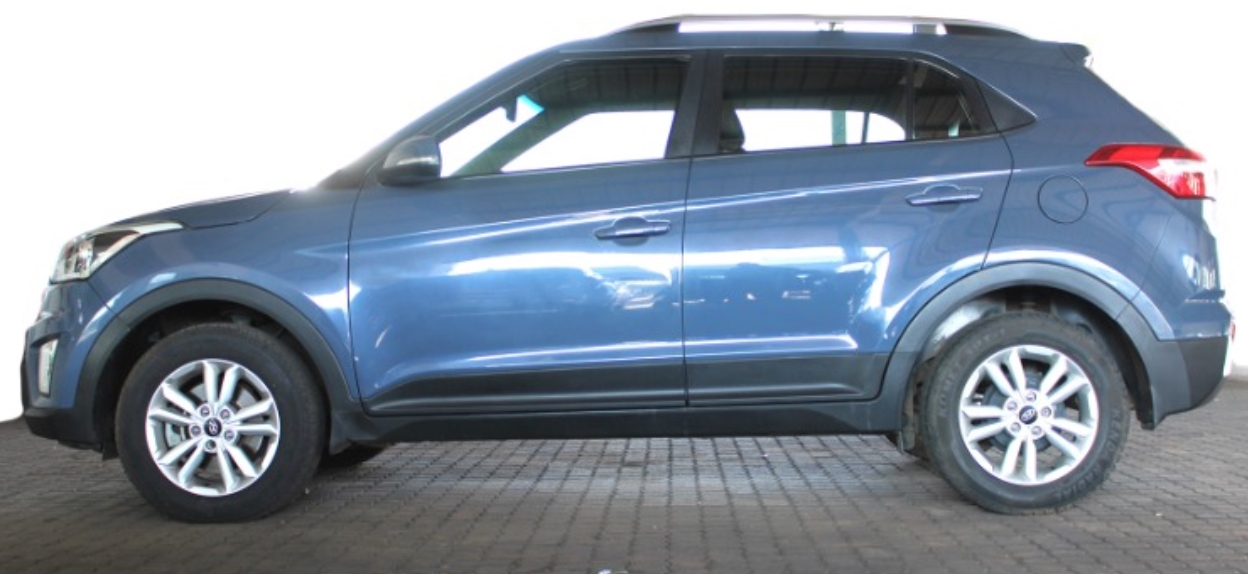
The Hyundai Creta Chronicle: Charting the Evolution of a Segment King
In the landscape of the modern automotive world, few nameplates have achieved the kind of meteoric rise and sustained dominance as the Hyundai Creta. It didn’t just enter a burgeoning market segment; it defined it, setting benchmarks that competitors have been scrambling to meet ever since. The story of the Creta is a masterclass in market research, product planning, and relentless evolution, transforming from a well-rounded contender into an undisputed monarch of the compact SUV space. This is the chronicle of its journey, from its inception to its latest, tech-laden iteration.
The Genesis: First Generation (GS/GC, 2015-2020)
The Context: By the early 2010s, the global appetite for SUVs was insatiable. In markets like India, the compact SUV segment was ignited by the rugged, no-nonsense Renault Duster and the quirky, sub-4-meter Ford EcoSport. There was a clear gap for a product that offered the high-riding stance and presence of an SUV with the comfort, features, and premium feel of a sedan. Hyundai, a brand that had already tasted immense success with its fluidic design philosophy, saw its opportunity.
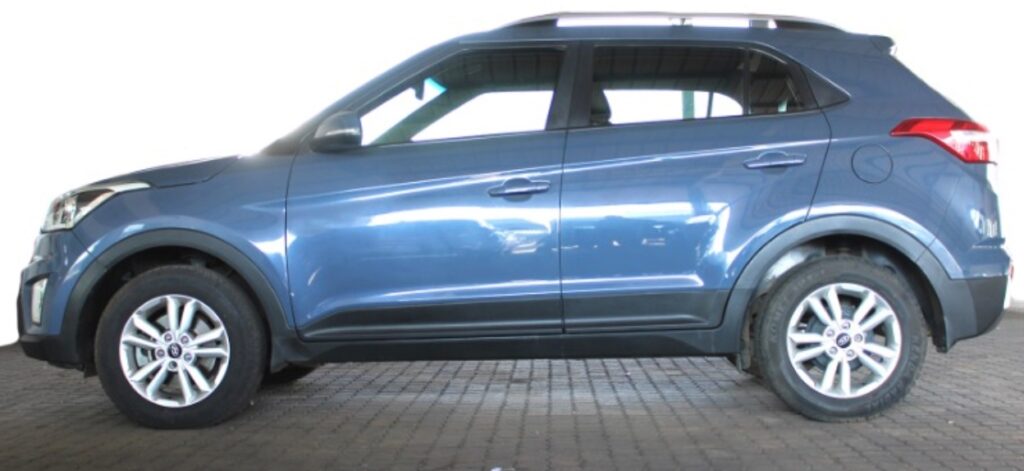
The Launch (2015): The first-generation Hyundai Creta, codenamed GS, was launched in July 2015. It was a global product, known as the ix25 in China, but it was in India where it found its most fervent audience. The design was an instant hit. Based on Hyundai’s “Fluidic Sculpture 2.0” philosophy, it was handsome, well-proportioned, and exuded a premium “mini Santa Fe” vibe. It avoided radical styling, opting instead for a universally appealing aesthetic with clean lines, a bold triple-slat chrome grille, projector headlamps, and diamond-cut alloy wheels on top trims.
The interior was where Hyundai truly outplayed the competition. It offered a level of fit, finish, and features previously unseen in the segment. The dashboard was logically laid out, the materials felt upmarket, and the feature list was extensive, even on mid-spec variants.
Powertrains and Trim Levels (2015-2018): Hyundai launched the Creta with a versatile three-engine lineup, catering to a wide spectrum of buyers:
- 1.6L Gamma Dual VTVT Petrol: Producing 123 PS, paired with a 6-speed manual transmission.
- 1.4L U2 CRDi Diesel: A fuel-efficient option producing 90 PS, mated to a 6-speed manual.
- 1.6L U2 CRDi VGT Diesel: The powerhouse of the range, delivering 128 PS and a robust 260 Nm of torque. This engine had the option of a 6-speed manual or a 6-speed torque converter automatic, the latter being a significant draw for urban buyers.
The trim hierarchy was structured to cover all price points effectively:
- Base: The entry-level model with basic necessities.
- S: Added more comfort features.
- S+: Often came with the automatic transmission option or additional features.
- SX: A well-equipped variant with features like projector headlamps and keyless entry.
- SX+: Packed in more premium features like a touchscreen infotainment system.
- SX(O): The range-topping variant, fully loaded with six airbags, leatherette upholstery, 17-inch diamond-cut alloys, and ESC (Electronic Stability Control).
The Mid-Life Facelift (2018-2020): To keep the momentum going against new rivals, Hyundai introduced a significant facelift in May 2018. The update was primarily cosmetic but intelligently executed.
- Exterior: The most prominent change was the new, larger “Cascade Grille,” which brought the Creta’s design in line with Hyundai’s contemporary models. The bumpers were restyled, fog lamp housings were redesigned, and new dual-tone alloy wheels were introduced.
- Interior and Features: Hyundai sweetened the deal with crucial feature additions. An electric sunroof, a powered driver’s seat, wireless phone charging, and a “Smart Key Band” (a wearable fitness band that doubled as a car key) were introduced, once again setting a new feature benchmark.
The trim levels were slightly rejigged to E (Base), E+, S, SX, SX (Dual Tone), and SX(O). This refresh was a resounding success, solidifying the Creta’s position as the undisputed segment leader until the end of its lifecycle.
.
NO MORE dead batteries with this:

.
The Revolution: Second Generation (SU2, 2020-2024)
The Gamble: By 2020, the competitive landscape had intensified dramatically with the arrival of the feature-packed and sharply styled Kia Seltos, a sibling rival. For the second-generation Creta (codename SU2), Hyundai knew that a safe, evolutionary design wouldn’t be enough. They took a bold, revolutionary gamble.
The Design: Unveiled at the Auto Expo 2020, the all-new Creta’s design, based on the “Sensuous Sportiness” philosophy, was polarizing. It shed its predecessor’s conventional look for a radical, futuristic aesthetic. The front was dominated by a massive cascading grille and a controversial split-headlamp setup, with boomerang-shaped LED DRLs. The rear was equally unconventional, with split tail lamps and a prominent light bar. Many were divided, but the design was undeniably distinctive and commanded immense road presence.
The Sanctuary Interior: If the exterior was debatable, the interior was a unanimous victory. Hyundai crafted a tech-laden sanctuary. The cabin was completely redesigned around a large, driver-oriented 10.25-inch touchscreen infotainment system. A new flat-bottom steering wheel, a digital instrument cluster (on top trims), and premium materials elevated the in-cabin experience to a class above.
Powertrains and Technology Overhaul: Sharing its platform and powertrains with the Kia Seltos, the second-gen Creta offered a diverse and modern lineup:
- 1.5L MPi Petrol: Producing 115 PS, available with a 6-speed manual or an IVT (Intelligent Variable Transmission, Hyundai’s term for CVT).
- 1.5L U2 CRDi Diesel: Also producing 115 PS, offered with a 6-speed manual or a 6-speed torque converter automatic.
- 1.4L Kappa Turbo GDi Petrol: The enthusiast’s choice, delivering a potent 140 PS and paired exclusively with a quick-shifting 7-speed DCT (Dual-Clutch Transmission).
Trim Levels (2020-2024): The trim walk was comprehensive, ensuring there was a Creta for every budget:
- E: The bare-bones entry point.
- EX: Added essentials like a basic audio system and steering-mounted controls.
- S: The value-for-money choice with cruise control and automatic headlamps.
- S+: A limited variant, often bridging gaps with unique powertrain combinations.
- SX: The heavily-equipped variant featuring the panoramic sunroof, 10.25-inch screen, and BlueLink connected car technology.
- SX(O): The flagship, loaded with ventilated front seats, a Bose premium audio system, an electronic parking brake, and paddle shifters (for automatics).
The gamble paid off spectacularly. Despite the polarizing design, the sheer strength of its feature list—highlighted by the massive panoramic sunroof and ventilated seats—and the refined powertrain options made it an instant blockbuster, reclaiming its throne from all challengers.
The Refinement: Second Generation Facelift & N Line (2024-Present)
The N Line (2024): Before giving the entire range a facelift, Hyundai first catered to the enthusiast by launching the Creta N Line in early 2024. This wasn’t just a cosmetic package; it was a distinct variant with mechanical tweaks.
- Performance: It featured a slightly stiffer suspension setup and a weightier steering feel for more engaging handling, along with a sportier twin-tip exhaust note.
- Aesthetics: The N Line boasted a unique grille, aggressive front and rear bumpers with red accents, N Line badging, red front brake calipers, and a sporty all-black interior with red stitching and N Line-specific steering wheel and gear selector.
- Powertrain: Offered exclusively with the most powerful engine in the lineup, the new 1.5L Turbo GDi petrol engine, paired with either a 6-speed manual or a 7-speed DCT.
- Trims: Available in two variants: N8 and N10.
The Facelift (2024): Responding to market feedback and the desire for a more mature look, Hyundai launched the heavily updated Creta facelift in India in January 2024. This version moved away from the polarizing look of its predecessor and adopted a design inspired by the flagship Palisade SUV.
- Exterior: The front end was completely redesigned to look more upright and robust. It featured a new “Parametric Jewel” grille, seamlessly integrated with stunning full-width, H-shaped LED DRLs. The rear was also updated with connected H-shaped LED tail lamps, giving it a sophisticated and modern look.
- Interior and Features: The cabin received an even more significant overhaul. The dashboard was redesigned to accommodate a seamless, integrated dual-screen setup, comprising two 10.25-inch screens for the infotainment and the fully digital driver’s display. The biggest technological leap was the introduction of Level 2 ADAS (Advanced Driver-Assistance Systems), bringing a suite of 19 safety features like adaptive cruise control, lane-keep assist, and forward collision avoidance. Other new features included a 360-degree camera and dual-zone automatic climate control.
Powertrains and Trim Levels (2024): The engine options were updated, with the powerful new turbo-petrol from the N Line becoming available in the standard lineup.
- 1.5L MPi Petrol (115 PS): Paired with 6-speed Manual or IVT.
- 1.5L CRDi Diesel (116 PS): Paired with 6-speed Manual or 6-speed AT.
- 1.5L Turbo GDi Petrol (160 PS): Paired exclusively with a 7-speed DCT.
The trim lineup was expanded and renamed to better reflect the feature distribution:
- E
- EX
- S
- S(O)
- SX
- SX Tech
- SX(O)
Legacy and Conclusion
The evolution of the Hyundai Creta is a story of astute market adaptation. The first generation established the formula: premium design, a feature-rich interior, and a wide range of reliable powertrains. It gave buyers what they wanted before they even knew they wanted it. The second generation took a bold risk on design but doubled down on technology and features, correctly predicting that the in-cabin experience and jaw-dropping equipment list would win over customers. The latest facelift and the N Line variant demonstrate a brand that is listening intently—maturing the design for wider appeal while simultaneously offering a focused, sporty variant for enthusiasts.
From a handsome all-rounder to a polarizing tech powerhouse, and now to a sophisticated and safe family SUV, the Hyundai Creta has never stood still. It has consistently understood the pulse of its target audience, mastering the art of offering premium, desirable features at an accessible price point. In the fiercely competitive world of compact SUVs, the Creta has not just survived; it has thrived, evolved, and cemented its legacy as the undisputed king of the segment.