The Hyundai i40: A Decade of Evolution for a European Darling
The Hyundai i40, though perhaps not a household name on a global scale, carved out a significant niche for itself within the European automotive landscape. It represented a pivotal moment for Hyundai, a tangible step up in design, quality, and refinement, aiming to challenge established players in the highly competitive mid-size sedan and wagon segment. From its inception in 2011 to its gradual phase-out around 2019, the i40 journeyed through a decade of evolution, adapting to market demands, technological advancements, and Hyundai’s own burgeoning brand image. This article delves into the factual evolution of the Hyundai i40, tracing its production years, exploring its various models, and detailing the trim levels that defined its offering.
The Genesis: 2011 – A Bold New Direction
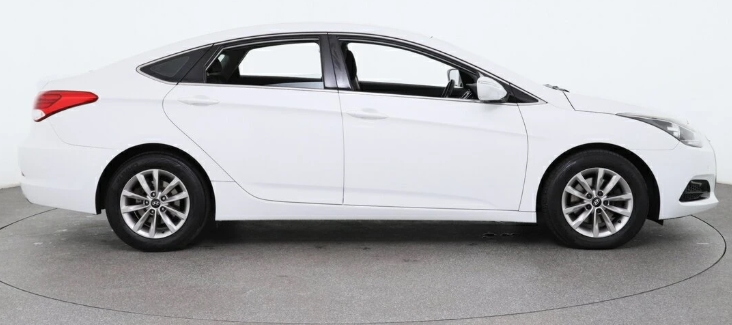
The Hyundai i40 first burst onto the European scene in 2011, building upon the foundation laid by its predecessor, the Hyundai Sonata (which was more prevalent in North America and other markets). However, the i40 was specifically engineered with European tastes and road conditions in mind. Its design language, spearheaded by Thomas Bürkle, was a stark departure from the more conservative styling of previous Hyundais. It adopted Hyundai’s “fluidic sculpture” design philosophy, characterized by dynamic lines, a sculpted body, and a more premium, flowing aesthetic. This was a deliberate strategy to shed the budget-friendly image and compete with established European stalwarts like the Volkswagen Passat, Ford Mondeo, and Opel Insignia.
Initially, the i40 was launched in two distinct body styles:
- Hyundai i40 Sedan: A classic four-door saloon, offering a sleek profile and a conventional boot.
- Hyundai i40 Tourer: A versatile estate/wagon version, emphasizing practicality and generous cargo space, a crucial element for European buyers.
Underpinning the i40 were a range of efficient petrol and diesel engines. The initial powertrain options typically included:
- 1.6 GDI (Gamma): A naturally aspirated 1.6-liter petrol engine, offering a balance of efficiency and performance for everyday driving.
- 1.7 CRDi (U2): A turbocharged 1.7-liter diesel engine, a popular choice in Europe due to its fuel economy and torque, especially for longer journeys and the Tourer variant.
Trim Levels in the Early Years (2011-2014): Setting the Standard
Hyundai, in its bid for premium appeal, offered a tiered approach to its i40 models, catering to different budgets and desires. While specific nomenclature could vary slightly by market, the core trim levels generally included:
- Classic/Entry-Level: This was the most affordable option, typically featuring essential amenities like power windows, central locking, air conditioning, and a basic audio system with USB/AUX connectivity. Safety features like airbags, ABS, and ESC were standard.
- Active/Comfort: Stepping up, this trim level introduced more convenience and comfort features. Expect alloy wheels, cruise control, a more advanced audio system, perhaps steering wheel controls, and potentially more interior refinements.
- Style/Premium: This was the higher-end offering, focusing on a more luxurious and feature-rich experience. This often included features like automatic climate control, upgraded upholstery (cloth or partial leather), parking sensors, automatic headlights, rain-sensing wipers, and more sophisticated infotainment systems, sometimes with Bluetooth connectivity.
- Executive/Top-Spec (Market Dependent): In some markets, a further enhanced trim might have been available, incorporating features like full leather upholstery, heated and ventilated seats, satellite navigation, a panoramic sunroof, and advanced driver assistance systems where available.
.
RepairSurge Online Repair Manuals Replace Bulky Books With Reliable Digital Information!
Faster And Cheaper Than Traditional Printed Manuals, Users Get Instant Access To The Repair Information They Need For Any Car, Truck, Van or SUV:
.
The Mid-Life Refresh: 2015 – Refining the Formula
By 2015, the i40 received its most significant update, a mid-cycle facelift designed to keep it competitive in a rapidly evolving market. This refresh brought about subtle yet important enhancements to its exterior and interior design, as well as powertrain improvements and the introduction of new technologies.
Exterior Changes:
The facelifted i40 featured a revised front fascia with a new hexagonal grille design, updated bumpers, and redesigned headlights, often incorporating LED daytime running lights. The rear also saw minor tweaks to the taillights. These changes aimed to give the i40 a more modern and assertive road presence.
Interior Enhancements:
Inside, efforts were made to elevate the perceived quality. Material choices were refined, and the dashboard layout was subtly updated. The infotainment system received an upgrade, often including a larger touchscreen and improved connectivity options, such as Apple CarPlay and Android Auto, reflecting the growing importance of smartphone integration.
Powertrain Evolution:
The engine lineup also saw revisions to meet stricter emissions standards and improve efficiency.
- 1.6 GDI (Gamma): This engine likely continued, possibly with minor tweaks.
- 1.7 CRDi (U2): The diesel engine received updates, often offering improved power outputs and better fuel economy. New transmissions, such as a 7-speed dual-clutch transmission (DCT), became available as an option alongside the manual gearbox, offering a more refined driving experience.
- New 1.6 T-GDI (Kappa): A significant addition for some markets was the introduction of a turbocharged 1.6-liter T-GDI petrol engine, offering a more potent and engaging driving experience with improved torque characteristics over the naturally aspirated unit.
Revised Trim Levels (2015-2019): Enhanced Offerings
The facelift brought a refining of the trim level structure, though the core philosophy of tiered offerings remained. The names might have shifted slightly depending on the region, but the progression generally followed:
- Access/S (Entry-Level): Still focused on essential equipment, but now with a baseline that included features like Bluetooth connectivity and a more advanced infotainment system as standard.
- Style/SE: Building upon the entry-level, this trim typically added features like alloy wheels, rear parking sensors, automatic headlights, and enhanced interior trim.
- Premium/Titanium: This was the more luxurious option, often boasting features like satellite navigation, a rearview camera, heated seats, advanced safety features (like blind-spot detection or lane-keeping assist where available), and upgraded interior materials.
- Grand Tourer (Tourer Specific): In some markets, the Tourer variants might have had specific trim names or packages that emphasized its practicality and versatility, offering features like roof rails and a powered tailgate.
Beyond the Facelift: Continued Refinement and Market Positioning
Following the 2015 refresh, the i40 continued to be produced with ongoing minor updates in terms of technology and safety features as regulations and consumer expectations evolved. Hyundai’s commitment to “value for money” remained a cornerstone of the i40’s appeal. It continued to offer a comprehensive package of features, a comfortable ride, and competitive pricing, making it an attractive proposition for families, fleet buyers, and individuals seeking a practical and stylish mid-size car.
The i40 played a crucial role in Hyundai’s strategy to move upmarket in Europe. It demonstrated the brand’s ability to produce cars that could compete on design and quality with established European manufacturers. Its success helped pave the way for subsequent Hyundai models that further solidified the brand’s premium aspirations.
The Gradual Farewell: Circa 2019
The Hyundai i40’s production run began to wind down in most European markets around 2019. This was not necessarily due to a lack of quality or appeal, but rather a strategic shift within Hyundai’s product portfolio. The mid-size segment, particularly the sedan market, was experiencing a decline in demand across Europe, with SUVs and crossovers becoming increasingly dominant.
Hyundai’s focus shifted towards its popular SUV range, including the Tucson and the larger Santa Fe. The i30, particularly in its fastback and estate forms, also occupied a significant portion of the compact and mid-size market, effectively absorbing some of the i40’s traditional customer base. While a direct successor in the exact i40 sedan/wagon mold wasn’t introduced, the spirit of offering stylish, well-equipped, and value-oriented vehicles continued within Hyundai’s broader model lineup.
Legacy of the i40:
The Hyundai i40’s legacy is one of evolution and ambition. It was a testament to Hyundai’s growing design prowess and engineering capabilities. It successfully transitioned from being perceived as a budget alternative to a genuine contender in the mid-size segment. Its stylish “fluidic sculpture” design, coupled with the practicality of the Tourer and the comfort and technology offered across its trim levels, made it a popular choice for many European drivers. While its production run may have concluded, the i40 remains a significant chapter in Hyundai’s journey towards becoming a globally respected automotive brand, demonstrating a clear understanding and successful execution of European market demands. It showed that Hyundai could not only build reliable cars but also cars that were desirable, refined, and capable of standing toe-to-toe with the very best in their class.