The Maruti Wagon R: A Comprehensive Guide to India’s Tall-Boy Hatchback
The Maruti Suzuki Wagon R is one of India’s most recognizable and best-selling hatchbacks, known for its tall-boy design, spacious interiors, frugal engines, and practical urban usability. Since its launch in 1999, the Wagon R has undergone multiple upgrades and generational changes, adapting to evolving customer needs and technological advancements. Over the years, it has become synonymous with reliability and no-nonsense commuting, winning the trust of millions of Indian car buyers.
This article will explore the Wagon R’s history, its various models and trim levels, technical specifications, special editions, and its future outlook.
Origins and History
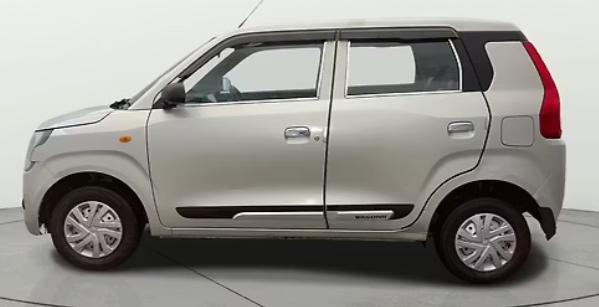
The Maruti Wagon R is based on the Suzuki Wagon R, a kei car originally introduced by Suzuki in Japan in 1993. “Wagon R” stands for “Wagon Recreation,” with the “R” also interpreted as “Revolution” by some marketing materials. The car was designed to maximize cabin space within compact exterior dimensions, thanks to its tall, boxy stance. This “tall-boy” design was especially appealing in crowded urban environments.
Indian Launch (1999): Maruti Udyog Limited (now Maruti Suzuki India Limited) introduced the Wagon R to the Indian market in 1999. The first-generation Indian Wagon R was adapted from the Japanese version but modified to suit Indian conditions. It was slightly wider and used a different suspension setup for better ride comfort on Indian roads. The first Indian model came with a 1.1-litre, four-cylinder petrol engine (F10D), producing around 62 bhp.
At launch, the Wagon R was positioned above the Maruti 800 and Zen, offering more interior space and practicality. Its unconventional tall-boy design was initially polarizing, but urban buyers quickly appreciated the headroom and visibility.
.
We LOVE cars & cruising around, but sometimes day trips to explore new cities are required (with family or friends) for a spice of variety in your life!
So GO explore!
Cruises & Day/Night City Tours to: Baltimore, Boston, Chicago, Marina Del Ray, New York, Niagara, Philadelphia, San Diego, San Francisco, Toronto, Washington DC, etc.:

.
Generational Evolution
First Generation (1999–2006)
- Engine: 1.1-litre F10D petrol, later replaced by 1.1-litre MPFI.
- Gearbox: 5-speed manual.
- Key Features: Power steering (on higher trims), air conditioning, basic safety features.
- Trims: Initially limited to LX, LXi, and VXi.
- Special Editions: Limited edition color schemes and accessories.
The first-gen Wagon R’s strengths were its roomy interiors and high seating position. However, its boxy aesthetics were a matter of taste.
Second Generation (2006–2010)
- Engine: 1.1-litre continued initially, later replaced by the 1.0-litre K10B petrol.
- Design Update: Facelift with clear headlamps, redesigned grille, and improved interiors.
- Fuel Options: Introduction of factory-fitted CNG variants in select markets.
- Trims: LX, LXi, VXi, and VXi with ABS.
Around this time, Maruti Suzuki refined the Wagon R’s styling to make it more modern while retaining its tall-boy characteristics. The K-series engine introduced in later models offered better performance and fuel efficiency.
Third Generation (2010–2019)
- Platform: All-new platform, longer wheelbase, and wider track for improved stability.
- Engine: 998cc K10B three-cylinder petrol.
- Fuel Options: Petrol and factory-fitted CNG.
- Transmission: 5-speed manual; later, 5-speed AMT (Automated Manual Transmission) introduced.
- Trims: LXi, VXi, VXi+, and CNG variants.
The third generation was a significant leap in terms of safety, refinement, and comfort. The AMT option made the Wagon R even more appealing in city traffic. The cabin was redesigned with a dual-tone dashboard, better ergonomics, and more features such as integrated audio systems and electrically adjustable ORVMs in higher trims.
Fourth Generation (2019–Present)
- Platform: Heartect platform (shared with the Maruti Swift and Ignis) for enhanced crash safety and weight reduction.
- Dimensions: Larger than previous generations, offering even more cabin space and boot capacity.
- Engines:
- 1.0-litre K10B petrol (67 bhp, 90 Nm)
- 1.2-litre K12M petrol (82 bhp, 113 Nm) – a first for the Wagon R, catering to customers seeking more power.
- Fuel Options: Petrol and factory-fitted CNG (1.0-litre).
- Transmission: 5-speed manual and 5-speed AMT available across multiple variants.
- Trims (as of 2024): LXi, VXi, ZXi, ZXi+ (availability varies by fuel type and transmission).
- Safety: Dual airbags, ABS with EBD, rear parking sensors, seatbelt reminder, and speed alert system as standard.
This generation marked a shift in the Wagon R’s appeal. While retaining its original strengths—practicality and efficiency—it became more versatile, with improved driving dynamics and two engine choices.
Trim Levels and Features (2024)
Maruti Suzuki offers the Wagon R in a variety of trims to cater to different budget segments:
1. LXi
- Base variant, focused on affordability.
- 1.0-litre petrol or CNG option.
- Features: Power steering, manual AC, basic instrument cluster, body-colored bumpers.
2. VXi
- Mid-level trim with better equipment.
- Available with both 1.0L and 1.2L engines.
- Features: 2-DIN audio system with Bluetooth, steering-mounted controls, central locking, front power windows.
3. ZXi
- Higher-spec trim with more comfort and convenience.
- Only available with the 1.2L petrol.
- Features: Rear power windows, electrically adjustable ORVMs, more premium interior finishes.
4. ZXi+
- Top-of-the-line variant.
- 1.2L petrol engine only.
- Features: Touchscreen infotainment with Android Auto/Apple CarPlay, alloy wheels, rear wiper/washer, fog lamps.
Powertrain Details
1.0-litre K10B Engine:
- Type: 3-cylinder petrol.
- Output: ~67 bhp, 90 Nm torque.
- Transmission: 5-speed manual / 5-speed AMT.
- Mileage: ~24 km/l (ARAI-rated for petrol), ~34 km/kg for CNG.
1.2-litre K12M Engine:
- Type: 4-cylinder petrol.
- Output: ~82 bhp, 113 Nm torque.
- Transmission: 5-speed manual / 5-speed AMT.
- Mileage: ~23 km/l.
Both engines are BS6-compliant, with a BS6 Phase II update in 2023 to meet stricter emission norms.
Special Editions Over the Years
Maruti Suzuki has periodically launched limited editions of the Wagon R to refresh its appeal:
- Wagon R AX – early 2000s version with accessories package.
- Wagon R Xtra Edition – added alloy wheels, spoilers, and extra interior features.
- Festive Editions – cosmetic updates during Diwali seasons.
- Wagon R Pro – accessory kit with sporty styling.
Market Reception and Sales
The Wagon R has consistently been among India’s top 10 best-selling cars since its launch. It appeals strongly to families seeking an affordable, reliable, and spacious hatchback. Fleet operators also favor the CNG version for its low running costs.
By 2022, Maruti Suzuki had sold over 3 million units of the Wagon R in India. It often competes with rivals like the Hyundai Santro (now discontinued in India), Tata Tiago, and Maruti’s own Celerio.
Why the Wagon R Succeeds
- Space Efficiency: The tall-boy design maximises headroom and allows easy ingress/egress.
- Fuel Efficiency: Both petrol and CNG versions are economical to run.
- Low Maintenance Costs: Maruti’s extensive service network and inexpensive parts keep ownership costs low.
- Practical Features: Flat-folding rear seats, large boot, and good visibility make it ideal for city use.
- Brand Trust: Maruti Suzuki’s reputation for reliability.
Criticisms
While popular, the Wagon R faces certain criticisms:
- Design Subjectivity: Its boxy styling isn’t universally loved.
- Driving Dynamics: Soft suspension tuning and tall stance mean handling is more comfort-oriented than sporty.
- High-Speed Stability: Narrow track and tall height can make it feel less planted at highway speeds compared to wider hatchbacks.
Future Outlook
The Indian automotive market is undergoing a transformation with stricter safety norms, electrification, and shifting consumer preferences. Maruti Suzuki is expected to:
- Launch an Electric Wagon R: Prototype electric versions have already been spotted in testing. A production EV could arrive in the mid-2020s, targeting urban commuters with a range of around 200–250 km.
- Enhanced Safety: Future models will likely include more airbags, ESC (Electronic Stability Control), and improved crash structure to meet upcoming regulations.
- Connected Features: Integration of connected car technology with remote access, location tracking, and enhanced infotainment.
Given its enduring popularity, the Wagon R is expected to remain a key player in Maruti Suzuki’s lineup for years to come.
Conclusion
From its debut in 1999 to its present-day fourth generation, the Maruti Wagon R has evolved while staying true to its core values: practicality, efficiency, and affordability. It has moved from a quirky, space-focused hatchback into a more versatile and feature-rich urban commuter. With over two decades of strong sales, it stands as one of India’s most iconic small cars.
As Maruti Suzuki prepares for an era of electrification and connected mobility, the Wagon R seems poised to adapt once again—continuing the “Revolution” that its name has always promised.