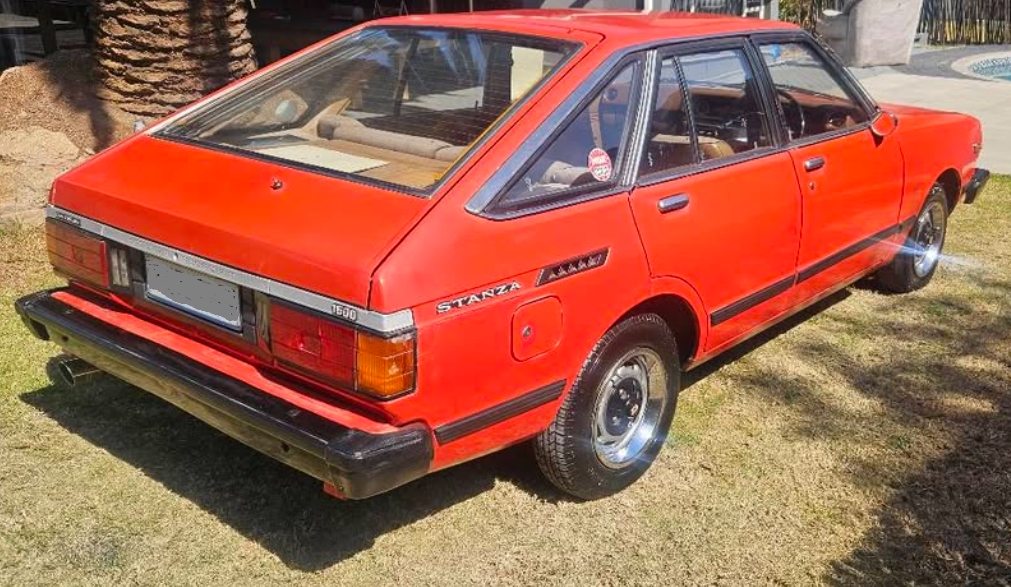
The Middle Child of the Nissan Revolution: A Comprehensive History of the Datsun Stanza
The Forgotten Bridge
In the pantheon of automotive history, some cars achieve immortality through speed, like the Porsche 911; others through sheer volume, like the Toyota Corolla. Then there are vehicles like the Datsun Stanza—the reliable, unassuming middle child that played a pivotal role in a massive corporate transition but is largely forgotten by time.
Produced from 1977 to 1990, the Datsun Stanza served as a bridge. It bridged the gap between the subcompact Datsun B210 and the larger Datsun 610/710. More importantly, it bridged the era of the “Datsun” brand identity to the modern “Nissan” global standard.
This article traces the evolution of the Datsun Stanza, detailing the specific models, trim levels, and engineering milestones that made it a staple of American driveways in the late 70s and 80s.
Generation I (1977–1981): The Wedge Arrives
When the Stanza debuted in the North American market for the 1977 model year, it replaced the Datsun 610. The automotive world was still reeling from the 1973 oil crisis, yet design language was shifting toward aerodynamic wedges. The Stanza embodied this transition.
Exterior and Design The first-generation Stanza (chassis code A10) featured a distinctively slanted roofline and a steeply raked windshield, giving it a sportier profile than its boxy competitors. It shared its platform with the Datsun 1200 and the early 1980s Datsun 210, utilizing the front-wheel-drive “B-Series” architecture. This FWD layout was a strategic move, offering better interior space utilization and traction compared to the RWD Datsuns of the previous decade.
Engines and Performance Under the hood, the Stanza was modest but efficient.
- 1.4L H14 Inline-4: (1977–1978) producing 70 horsepower.
- 1.6L H16 Inline-4: (1979–1981) producing 80 horsepower.
Both engines utilized a single overhead cam (SOHC) design with two valves per cylinder, a hallmark of Nissan’s efficient engineering. Transmission options included a standard 4-speed manual or an optional 3-speed automatic.
Model Years and Trim Levels (Generation I)
- 1977–1978 Datsun Stanza (Base):
- Features: Vinyl bench seats, manual windows, 14-inch steel wheels with covers, and a AM radio.
- Packages: The Deluxe trim added a tachometer, woodgrain interior accents, and upgraded cloth upholstery.
- Notable Option: A 5-speed manual transmission was briefly available in 1978 for enthusiasts seeking overdrive fuel economy.
- 1979–1981 Datsun Stanza:
- Facelift: For 1979, the Stanza received a visual refresh with a wider grille, larger sealed-beam headlights, and revised taillights.
- LX Trim: Introduced in 1980, the LX was the luxury-oriented model. It featured full carpeting, a center console, and an AM/FM stereo with a tape deck (a premium feature for the time).
- SST Trim: The “Super Sports Touring” trim was the performance variant. It included a sport-tuned suspension, firmer dampers, a rear spoiler, and distinctive alloy wheels. The SST was available only with the 1.6L engine.
By 1981, the first-generation Stanza was phased out, having established the model as a competent, roomy compact car.
.
THIS might be a great place to get your new car from!
Or for those who are into the “car flipping” business, here’s an excellent resource for you!

.
Generation II (1982–1985): The T11 Era and the Nissan Rebrand
The second generation (chassis code T11) marked a massive shift in the car’s identity. For the 1982 model year, Nissan officially began phasing out the Datsun brand name in North America. While early 1982 models still carried “Datsun” badges, the car was engineered as a Nissan from the ground up.
Exterior and Design The wedge shape softened into a boxy, aerodynamic silhouette that defined the early 1980s. The roofline flattened, and the greenhouse (windows and pillars) was expanded for better visibility. The drag coefficient improved, aiding highway fuel economy. The T11 Stanza grew slightly in every dimension compared to its predecessor, pushing it firmly into the “compact” class.
Engines and Transmissions The engine lineup was overhauled to maximize efficiency.
- 1.6L E16 Inline-4: This SOHC engine featured two side-mounted valves per cylinder. It produced 68-72 horsepower depending on the year and emission specs.
- Transmission: A 5-speed manual was now standard (replacing the 4-speed), with a 3-speed automatic available as an option. The 5-speed manual was known for a notchy but precise feel.
The “S.S.T.” Legacy The Super Sports Touring (SST) trim continued into this generation. The T11 SST was a cult favorite for its “tall” gearing (perfect for highway cruising) and its firmer ride height compared to the soft-riding base model.
Model Years and Trim Levels (Generation II)
- 1982 Datsun/Nissan Stanza (Base):
- Context: This was the transitional year. Many cars were built with Datsun exterior styling but Nissan interior badging.
- Features: 13-inch steel wheels, manual transmission, AM radio, and vinyl seating.
- 1982–1985 Nissan Stanza (LX):
- Features: The LX was the volume seller. It offered power steering (optional early on, standard later), cloth seats, and a rear defroster.
- Convenience: The LX often came with a 50/50 split-folding rear seat, a rarity in early 80s compacts.
- 1982–1985 Nissan Stanza (SST):
- Performance Focus: The SST featured a 5-speed manual with a sport shift pattern. It included a tachometer, a rear window wiper, and a variable ratio power steering rack.
- Exterior: Blacked-out bumpers (instead of chrome), protective side moldings, and a rear deck spoiler were standard.
- Wheels: 13-inch styled steel wheels with bright chrome hubcaps or optional alloy wheels.
- 1985 “Bye Bye” Edition:
- In the final months of the T11 generation, Nissan released a limited-run “Bye Bye” edition to clear inventory. It included an upgraded AM/FM cassette stereo, air conditioning, and unique “Bye Bye” exterior decals. This is a highly sought-after collector’s item today.
Generation III (1986–1990): The Box-on-Wheels and the Aerodynamic Nose
The third generation (chassis code T12) arrived in late 1985 for the 1986 model year. This redesign aligned the Stanza with Nissan’s new “four-door sedan” design language shared with the Sentra and Maxima. The car became taller, wider, and noticeably more square.
Exterior and Design The T12 featured a flat-sided body with a distinct “vertical-slit” grille and flared wheel arches. Unlike the sloping roofs of the late 70s, the T12 emphasized vertical space, offering class-leading headroom. It was utilitarian but handsome in a functional way.
Engine and Mechanicals The T12 was powered by the reliable 1.6L E16i engine, an update of the previous E16 with electronic carburetion (in some markets) or throttle-body fuel injection.
- Power: 72–76 horsepower.
- Suspension: MacPherson struts in the front and a semi-independent coil setup in the rear.
- Brakes: Front disc brakes became standard on all trims in 1987, with rear drums.
Safety Innovations This generation was significant for introducing safety features that were becoming industry standards. The T12 Stanza featured side-impact door beams and improved crumple zones.
Model Years and Trim Levels (Generation III)
- 1986–1990 Nissan Stanza (Base):
- The entry-level model. It came with a 5-speed manual transmission, cloth-look vinyl seats, and 13-inch steel wheels with plastic covers.
- Standard: Rear seat center armrest and dual cup holders in the front console (a novelty feature).
- 1986–1990 Nissan Stanza (X):
- The mid-range “X” trim was the best-seller. It added a rear wiper/washer, a digital clock (LED display), and upgraded insulation for noise reduction.
- Transmission: The X was frequently paired with the 3-speed automatic, targeting commuters.
- 1986–1990 Nissan Stanza (XE):
- The “Executive” trim. This was the luxury flagship of the line.
- Exterior: bodyside moldings, chrome window surrounds, and halogen headlights.
- Interior: Velour upholstery, a center console with storage, and a high-end AM/FM stereo with four speakers.
- Optional: The XE offered an “Aero” package in 1989, which added a sunroof, a rear spoiler, and lower body cladding.
- 1988 Special Edition:
- To combat declining sales, Nissan released a limited run of Stanza XEs equipped with air conditioning, power mirrors, and a rear defroster as a single package deal. This was a response to the rising popularity of Japanese imports with luxury features.
The Auster Connection and Global Markets
While this article focuses on the North American market, it is impossible to discuss the Stanza without mentioning its sibling: the Nissan Auster (chassis code T11/T12).
In Japan, the car was sold as the Nissan Auster, which translated to “wind.” The Auster was positioned as a sportier alternative to the Bluebird and was a key player in the domestic market. The “Stanza” name was reserved specifically for export markets (primarily North America and Europe).
The Auster often offered trim levels not seen in the Stanza, such as the Auster Z and Auster ZX. These featured 4-wheel disc brakes, sport suspensions, and occasionally more potent E16 engines tuned for higher output (up to 85hp in Japanese spec). These JDM (Japanese Domestic Market) features trickled down to North American SST and XE models in later years, making them unique hybrids of comfort and sport.
The End of the Line: 1990–1992
By 1990, the compact sedan market had become fiercely competitive. The Honda Civic and Toyota Corolla were setting new standards for refinement and technology, while the Ford Escort and Geo Prizm were undercutting prices.
In 1990, Nissan refreshed the Stanza once more (facelift model). The changes were minimal:
- A larger, more aerodynamic front bumper.
- Revised taillights.
- The introduction of the “Stanza XE/VL” trim, which included automatic transmission as standard.
However, sales continued to slide. The design was dated compared to the sleek 1992 Camry or the redesigned 1990 Civic. In 1992, Nissan discontinued the Stanza in North America. It was not directly replaced by another sedan of the same size; instead, the Nissan Sentra grew larger, and the Nissan Altima eventually filled the void as the entry-level sedan.
In Japan, the Auster was replaced by the Nissan Primera in 1990, a car that introduced the revolutionary “G” platform (used for the Infiniti G20).
Legacy and Future Outlook
Today, the Datsun/Nissan Stanza is a fixture in scrapyards and nostalgic car shows. Its reputation is built on three pillars:
- Durability: The E16 engine is legendary for running hundreds of thousands of miles with basic maintenance.
- Space: The “tall boy” design of the 1986–1990 models offered interior volume comparable to mid-size cars.
- Simplicity: Without complex electronics, computerized fuel injection, or turbochargers, Stanzas are easy for hobbyists to maintain.
The Future of the Stanza in the Collector Market While not yet a high-value investment car, pristine examples of the Stanza—particularly the 1978 SST and the 1982 “Bye Bye” edition—are beginning to appreciate in value among “JDM” and “80s econobox” enthusiasts.
As the automotive industry pivots to electric vehicles (EVs), the Stanza serves as a reminder of a simpler era. It was a car designed to do one thing exceptionally well: transport four people from point A to point B reliably and affordably.
There are rumors in the automotive blogosphere that Nissan might resurrect the “Stanza” name for an upcoming EV sedan, potentially slotting below the Leaf in price. However, as of 2024, these remain speculative. What remains certain is the historical significance of the original Stanza: it was the workhorse that carried Datsun into the modern era of Nissan.
Conclusion
The Datsun Stanza was never the flashiest car on the road, nor the fastest. It didn’t win rallying championships like the Lancia Stratos, nor did it define an era of luxury like the Mercedes S-Class. But for 13 years, the Stanza was a silent, reliable witness to history. It saw the fall of disco and the rise of MTV; it transitioned from the Datsun brand to the Nissan corporate identity; and it survived the oil crisis to become a symbol of Japanese reliability.
For those who owned one, the Stanza was simply “the car that worked.” And in the grand tapestry of automotive evolution, that is a legacy worth honoring.