The Mitsubishi Delica Mini: A Compact Crossover with Big Ambitions
The automotive landscape is a vast and ever-evolving terrain, populated by vehicles of all shapes, sizes, and purposes. Among this diverse throng, certain models emerge that capture a peculiar niche, blending practicality with a touch of adventurous spirit. The Mitsubishi Delica Mini, a recent addition to the venerable Delica lineage, is one such vehicle. While the Delica nameplate has a long and storied history associated with rugged, go-anywhere vans, the “Mini” moniker signifies a departure into a more urban-friendly, yet still capable, compact crossover segment. This article will delve into the fascinating world of the Mitsubishi Delica Mini, exploring its origins, its various iterations, its position in the market, and its potential future.
A Legacy Reimagined: The Delica Heritage
To understand the Delica Mini, we must first acknowledge the rich heritage it draws from. The Mitsubishi Delica van series, dating back to 1968, has established a reputation for durability, versatility, and off-road prowess. From the early, utilitarian commercial vans to the iconic L300 and later L400 models, Delicas have been the workhorses of adventurers, families, and businesses alike. They have traversed continents, hauled gear for expeditions, and served as reliable companions in demanding environments. This legacy of ruggedness and capability is subtly woven into the fabric of the Delica Mini, even as it embraces a more compact and city-centric design.
.

.
The Birth of the Delica Mini: A Response to Evolving Needs
The Mitsubishi Delica Mini is a relatively new player, officially launched in Japan in January 2023. It represents Mitsubishi’s strategic move to cater to the growing demand for compact, practical, and stylish vehicles that can handle both daily urban commuting and occasional light adventuring. In a market increasingly populated by “kei cars” (Japanese microcars) and sub-compact SUVs, the Delica Mini aims to offer a unique proposition: the practicality and perceived toughness of a Delica in a smaller, more accessible package.
While the Delica Mini is a modern vehicle, its design cues can be seen as an evolution of Mitsubishi’s approach to compact crossovers. It shares a platform and many components with its close relative, the Nissan Roox, a testament to the collaborative efforts within the Renault-Nissan-Mitsubishi Alliance. However, Mitsubishi has infused the Delica Mini with its distinctive design language, emphasizing a bolder, more rugged aesthetic that differentiates it from its Nissan counterpart.
Models and Trim Levels: A Carefully Curated Offering
The Mitsubishi Delica Mini was introduced with a focused range of models and trim levels, ensuring clarity and catering to distinct customer needs. The primary distinction lies in the powertrain: naturally aspirated (NA) or turbocharged (Turbo). Both are available in either front-wheel drive (2WD) or all-wheel drive (4WD) configurations, a crucial factor for buyers seeking enhanced traction and capability.
Here’s a breakdown of the key models and trim levels:
- Delica Mini (NA Engine): This is the entry-level model, equipped with a naturally aspirated 660cc engine. It offers a balance of fuel efficiency and adequate performance for everyday driving.
- N (Base Trim): This is the most affordable option, providing essential features for comfortable and practical transportation. It typically includes standard safety features and basic amenities.
- G (Higher Trim): The G trim builds upon the N, offering a more enhanced feature set. This often includes upgrades to interior materials, comfort features, and potentially more advanced infotainment options.
- Delica Mini Turbo: This model is equipped with a turbocharged version of the 660cc engine, providing a significant boost in power and responsiveness. This is ideal for drivers who prioritize a more dynamic driving experience or frequently carry heavier loads.
- T (Base Turbo Trim): Similar to the NA G trim, the T offers a good balance of performance and features.
- P (Premium Turbo Trim): The P trim represents the pinnacle of the Delica Mini lineup, offering the most comprehensive array of premium features and amenities. This can include advanced driver-assistance systems, higher-quality interior finishes, larger wheels, and potentially unique styling elements.
- Special Edition: “Premium” (Optional Styling Package): Mitsubishi has also offered optional “Premium” packages that enhance the visual appeal of the Delica Mini. These packages often include unique exterior accents, such as chrome detailing, distinctive wheels, and sometimes special interior color schemes, further emphasizing the vehicle’s adventurous and stylish character.
Key Features and Design Philosophy
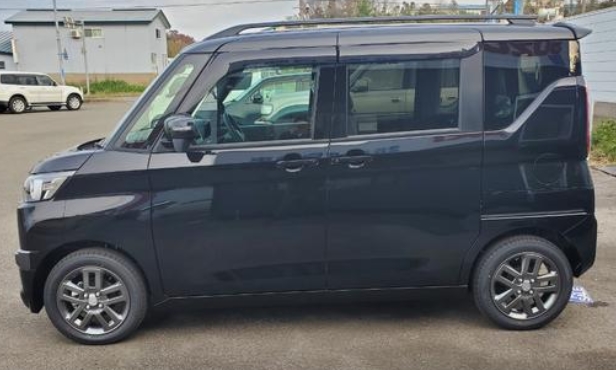
The design of the Delica Mini is its most immediate distinguishing characteristic. Mitsubishi has deliberately infused it with a robust and adventurous aesthetic, a departure from the more conventional styling of many kei cars. Key design elements include:
- Rugged Front Fascia: A prominent grille, often with a honeycomb pattern and distinct headlight treatment, gives the Delica Mini a confident and capable presence.
- High Ground Clearance: Compared to traditional hatchbacks, the Delica Mini boasts a slightly increased ride height, contributing to its crossover appeal and providing better clearance for uneven terrain.
- Boxy Silhouette: The compact, boxy shape maximizes interior space, a hallmark of practical Japanese automotive design.
- Distinctive Wheel Arches and Cladding: Protective plastic cladding around the wheel arches and along the lower body panels further enhance the rugged image and offer a degree of protection against minor scuffs and scratches.
- Interior Practicality: Inside, the Delica Mini emphasizes functionality and comfort. The cabin is designed to be spacious and versatile, with a focus on ease of use for everyday tasks. Features like sliding rear doors (a common kei car feature) enhance accessibility, and the flexible seating arrangements allow for various cargo and passenger configurations.
- Technology and Safety: As a modern vehicle, the Delica Mini is equipped with a suite of safety features, including advanced driver-assistance systems (ADAS) such as automatic emergency braking, lane departure warning, and adaptive cruise control, enhancing both safety and driving convenience. Infotainment systems typically include touchscreens with smartphone integration.
The Niche Appeal: Why the Delica Mini Works
The Mitsubishi Delica Mini occupies a specific and growing niche in the automotive market. It appeals to a demographic that values:
- Compact Size and Maneuverability: Its dimensions make it ideal for navigating crowded city streets, parking in tight spaces, and generally being easy to handle in urban environments.
- Spacious Interior: Despite its compact exterior, the clever design maximizes interior volume, offering surprising space for passengers and cargo. This makes it a viable option for small families or individuals who need to haul gear for hobbies or activities.
- All-Wheel Drive Capability: The availability of 4WD is a significant differentiator in the kei car and sub-compact crossover segment. It opens up possibilities for venturing onto unpaved roads, tackling inclement weather with greater confidence, and enjoying a sense of adventure that many competitors lack.
- Rugged Styling: The bolder, more adventurous design language sets it apart from softer, more conventional compact cars. It appeals to those who want a vehicle that looks ready for anything, even if its typical use is around town.
- Fuel Efficiency: Like most kei cars, the Delica Mini offers excellent fuel economy, making it an economical choice for daily commuting.
- Affordability: Compared to larger SUVs or crossovers, the Delica Mini offers a more accessible entry point into the world of capable, stylish vehicles.
Challenges and Competition
Despite its unique selling points, the Delica Mini operates in a highly competitive market. Its primary competition comes from other Japanese manufacturers within the kei car and sub-compact crossover segments. Key rivals include:
- Suzuki Spacia Gear: A direct competitor that also emphasizes a rugged, adventurous styling for a tall-wagon kei car.
- Daihatsu Taft: Another kei car with a focus on outdoor adventure and a distinctive design.
- Honda N-BOX Slash: While perhaps less overtly rugged, the N-BOX series is known for its incredible interior space and practicality.
The Delica Mini’s success will depend on its ability to differentiate itself not just through styling but also through its driving dynamics, the perceived quality of its materials, and the comprehensive nature of its features, particularly the 4WD system.
Future Outlook: Evolution and Expansion?
The Mitsubishi Delica Mini is still in its early stages, and its future outlook is promising but subject to several factors.
- Continued Refinement: We can expect Mitsubishi to continue refining the Delica Mini, potentially introducing minor updates to styling, technology, and powertrain efficiency in line with market trends and customer feedback.
- Special Editions: The success of special editions with unique styling or feature packages is likely to continue, catering to enthusiast demand and keeping the model fresh.
- Potential for Wider Market Appeal: While currently primarily a Japanese domestic market (JDM) model, there’s always the possibility of Mitsubishi exploring export opportunities if demand and market conditions are favorable. Vehicles with this unique blend of compact size, capability, and style can often find appreciative audiences in other regions.
- Electrification: As the automotive industry moves towards electrification, it is highly probable that future iterations of the Delica Mini will incorporate hybrid or fully electric powertrains. This would align with Mitsubishi’s broader electrification strategy and cater to growing environmental consciousness.
The Delica Mini represents a thoughtful evolution of the Delica brand, adapting its renowned spirit of adventure and capability to the demands of the modern compact vehicle market. It’s a testament to Mitsubishi’s ability to innovate and cater to specific consumer needs with vehicles that are both practical and possess a distinct character.
Conclusion
The Mitsubishi Delica Mini is more than just another compact crossover; it’s a modern interpretation of a legacy, a vehicle that blends the agility and efficiency of a kei car with the adventurous spirit and perceived ruggedness of its larger Delica siblings. With its distinctive styling, practical interior, and the unique offering of available all-wheel drive, it carves out a compelling niche in the Japanese market. As it continues to evolve and potentially reach new markets, the Delica Mini is poised to become a beloved choice for those seeking a capable, stylish, and fun-to-drive compact vehicle ready for life’s everyday adventures and beyond. It stands as a prime example of how automotive brands can reimagine their heritage to meet the changing needs and desires of today’s drivers.