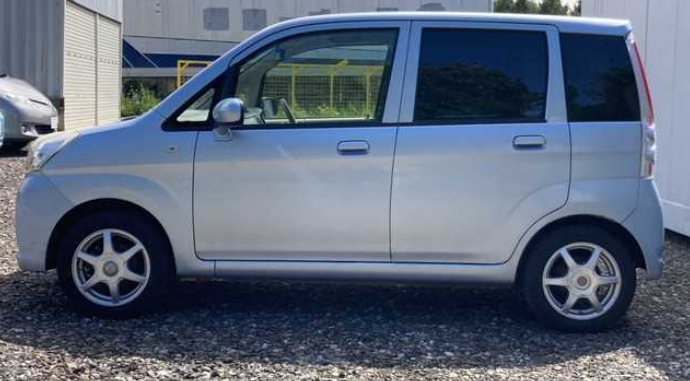
The Pocket Rocket with a Quirky Charm: A Deep Dive into the Subaru Rex
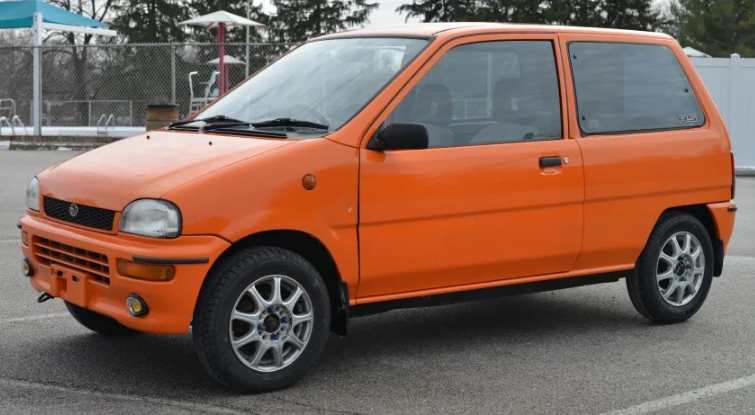
For many automotive enthusiasts, the name Subaru evokes images of rugged all-wheel-drive SUVs and rally-bred performance sedans. However, a lesser-known chapter in Subaru’s history tells the tale of a diminutive, front-wheel-drive Kei car that captured hearts with its quirky charm and surprisingly sprightly performance: the Subaru Rex. While perhaps not as globally recognized as its larger brethren, the Rex carved out a significant niche in the Japanese domestic market (JDM) for decades, offering an affordable, practical, and undeniably fun mode of transportation.
A Humble Beginning: The Birth of the Rex (1972-1981)
The Subaru Rex’s story begins in 1972, with the introduction of the Subaru Rex 500. This first generation was a direct descendant of the Subaru R-2, another successful Kei car, and aimed to provide a more spacious and refined experience. It was built to the stringent regulations of Japan’s Kei car class, which dictated strict limitations on engine displacement (initially 360cc, later expanded to 550cc), overall length, width, and height. These constraints fostered a unique design philosophy, prioritizing compactness and fuel efficiency.
The first-generation Rex was characterized by its distinctive two-box silhouette, featuring a short bonnet and a relatively upright cabin. It was powered by a range of small, air-cooled, two-cylinder engines, with displacements typically around 356cc (later 490cc for the Rex 500 and 550cc for the Rex 550). Transmission options were usually a four-speed manual, though some models may have been offered with an automatic.
Key models and trim levels in this initial phase were relatively straightforward, largely differentiated by engine size and minor cosmetic upgrades. The Rex 500 was a notable iteration, offering a slightly larger engine for improved performance. The Rex 550 marked the transition to the 550cc engine capacity limit, a significant upgrade for Kei cars at the time. Despite its modest specifications, the Rex offered a surprising amount of interior space for its size, making it a practical choice for urban commuting and small families.
Evolution and Refinement: The Second Generation (1981-1992)
The second generation of the Subaru Rex, launched in 1981, represented a significant leap forward in terms of styling, technology, and performance. This generation embraced a more modern, rounded aesthetic, moving away from the boxier design of its predecessor. It also saw the introduction of water-cooled engines, a crucial development that allowed for greater power output and smoother operation.
The engine lineup for the second-generation Rex was diverse, catering to various needs and budgets. The most common powerplant was the EK53, a 544cc, three-cylinder engine available in naturally aspirated and turbocharged variants. This turbocharging was a game-changer for Kei cars, allowing them to punch above their weight class in terms of acceleration and overall driving enjoyment.
This era saw a proliferation of trim levels and special editions, reflecting Subaru’s strategy to offer a Rex for every taste. Some of the prominent models and variants include:
- Rex Combi: Often featuring a more upright roofline for increased interior space and practicality, akin to a small wagon.
- Rex Van: Designed for commercial use, with a focus on cargo capacity and durability.
- Rex Station Wagon: While technically a hatchback, the “Station Wagon” designation highlighted its enhanced utility.
- Rex Minitron: A name that sometimes appeared on more basic models, emphasizing its compact nature.
- Rex Supercharger: This was a highly sought-after variant, boasting the aforementioned turbocharged engine (often designated as EK53T or similar) delivering spirited performance that was remarkable for a car of its size. These models were often equipped with sportier suspension and cosmetic enhancements.
- Liberal / G-Supercharger / CX: These were common trim designations representing progressively higher levels of luxury, features, and performance. The “Liberal” often indicated a more comfort-oriented model, while the “G-Supercharger” and “CX” variants typically housed the turbocharged engine and sportier appointments like alloy wheels, bucket seats, and enhanced interior trim.
The second generation also embraced technological advancements. Features like power steering, air conditioning, and even optional four-wheel drive (though less common in the Rex compared to other Subaru models) began to appear, further enhancing its appeal. The Rex’s handling was also praised, with its independent suspension and lightweight construction contributing to a nimble and engaging driving experience.
.
NO MORE dead batteries with this:

.
The Final Chapter: The Third Generation (1992-2000)
The final iteration of the Subaru Rex arrived in 1992, continuing the evolution of the Kei car. This generation adopted a sleeker, more aerodynamic design, with a lower roofline and more integrated bodywork. The dimensions remained within Kei car regulations, but the styling felt more contemporary and upscale.
Under the hood, the Rex continued to utilize the 658cc engine, a standard that had been adopted for all Kei cars from 1990 onwards. This allowed for greater power and efficiency. The primary engine offered was the EN07, a 658cc, three-cylinder engine, again available in both naturally aspirated and turbocharged (Supercharger) configurations.
The trim levels for the third generation mirrored the sophistication of its predecessors, with Subaru offering a range of options to suit different buyers:
- Rex LS / LX: Representing the entry-level and mid-tier models, focusing on core functionality and affordability.
- Rex RX / RS: These were the sportier variants, typically featuring the turbocharged engine, alloy wheels, sport seats, and other performance-oriented cosmetic touches. The “RX” and “RS” designations were synonymous with a more dynamic driving experience.
- Rex Vito: This was a commercial van variant, prioritizing cargo space and utility for small businesses.
- Rex Cruiser: A designation that sometimes appeared for models with slightly different styling or equipment packages.
The third generation Rex also saw further refinements in its interior, with improved materials, ergonomics, and a more modern dashboard layout. Features like electric windows, central locking, and improved safety equipment became more prevalent. Despite the introduction of newer models into the Subaru lineup and the increasing competition in the Kei car segment, the Rex managed to maintain its loyal customer base until its discontinuation in 2000.
Why the Subaru Rex? The Appeal of a Niche Vehicle
The Subaru Rex, especially in its turbocharged iterations, offered a compelling package that transcended its humble dimensions. Its appeal lay in several key areas:
- Kei Car Advantages: In Japan, Kei cars offer significant tax and insurance benefits, making them incredibly economical to own and operate. The Rex was a prime example of a practical and affordable choice for everyday transportation.
- Nimble Performance: The lightweight construction and, crucially, the turbocharged engines provided surprisingly brisk acceleration and agile handling. Enthusiasts often sought out the supercharged models for their “pocket rocket” performance, making them a joy to drive on winding roads.
- Fuel Efficiency: As expected from a Kei car, the Rex was exceptionally fuel-efficient, making it an environmentally conscious and wallet-friendly option.
- Quirky Charm: The Rex possessed a unique and endearing aesthetic. Its compact size and distinct styling set it apart from more conventional vehicles, giving it a personality all its own.
- Reliability: Subaru has a reputation for building robust and reliable vehicles, and the Rex was no exception. Many examples were known to last for hundreds of thousands of kilometers with proper maintenance.
A Brief History of Subaru and Kei Cars
To understand the Rex, it’s important to understand Subaru’s early foray into the automotive world and the significance of Kei cars in Japan. Subaru, officially Subaru Corporation (formerly Fuji Heavy Industries), was established in 1953. From its inception, the company focused on innovation and engineering, often taking a unique approach to vehicle design.
Kei cars (軽自動車, kei jidōsha) emerged in Japan after World War II as a response to the need for affordable and economical personal transportation. Government regulations, including engine displacement limits, overall dimensions, and taxes, dictated their design. These cars became a cornerstone of Japanese society, enabling widespread personal mobility and contributing significantly to the country’s economic recovery and growth. Subaru, alongside other manufacturers like Suzuki, Daihatsu, and Honda, became a key player in this segment.
The Decline and Legacy of the Rex
By the late 1990s and early 2000s, the landscape of the automotive industry was shifting. Stricter emissions regulations, evolving consumer preferences, and increased competition from other manufacturers led to the phasing out of many traditional Kei car designs. Subaru, while still committed to innovation, began to refine its product strategy, focusing more on larger, globally recognized models like the Impreza, Forester, and Outback.
The Subaru Rex ultimately met its end in 2000, with its place in the Subaru lineup eventually being filled by other models, though none with the exact same spirit and purpose. While the Rex may have faded from production, its legacy continues in the hearts of those who owned and enjoyed these spirited little cars. They represent a unique era in automotive history, showcasing how manufacturers could create fun, practical, and affordable vehicles within strict regulatory frameworks.
The Future Outlook: A Collector’s Item and a Fond Memory
The Subaru Rex is unlikely to see a direct successor in the modern Subaru lineup, at least not in the immediate future. The automotive world is moving towards electrification, and the traditional Kei car format is also evolving. However, the Rex has found a new life as a desirable collector’s item, particularly for enthusiasts of JDM vehicles.
In countries where older Japanese cars are imported, a well-maintained Subaru Rex, especially a turbocharged variant, can fetch a respectable price. These cars are cherished for their unique character, performance, and the nostalgic glimpse they offer into a bygone era of automotive design.
For Subaru, the Rex serves as a reminder of their innovative spirit and their ability to cater to diverse market needs. It’s a part of their rich heritage that, while perhaps not as prominent as their all-wheel-drive prowess, is an integral piece of their story and automotive history. The Subaru Rex, the pocket rocket with a quirky charm, will forever be remembered as a miniature marvel that proved big fun could come in small packages.