The Un-Subaru: A Deep Dive into the Subaru Lucra
When the name Subaru is mentioned, the mind often conjures images of rally stages, boxer engines burbling a distinctive rhythm, and all-wheel-drive sedans kicking up plumes of dirt. It’s a brand built on a legacy of performance, ruggedness, and a fiercely loyal enthusiast community. Yet, for every world-famous WRX or continent-crossing Outback, there exists a lesser-known chapter in the company’s history, filled with vehicles that tell a different story. One of the most interesting of these is the Subaru Lucra—a vehicle that, for a brief period, offered a glimpse into a side of Subaru that most of the world has never seen.
The Subaru Lucra is a prime example of a uniquely Japanese automotive phenomenon: the kei car. To understand the Lucra, one must first understand the market it was built for. Kei cars, or keijidōsha (“light automobile”), are a category of vehicles in Japan subject to strict government regulations on physical size, engine displacement (currently capped at 660cc), and power output. In return for these limitations, owners benefit from significant tax and insurance incentives, making them incredibly popular for navigating Japan’s congested urban environments.
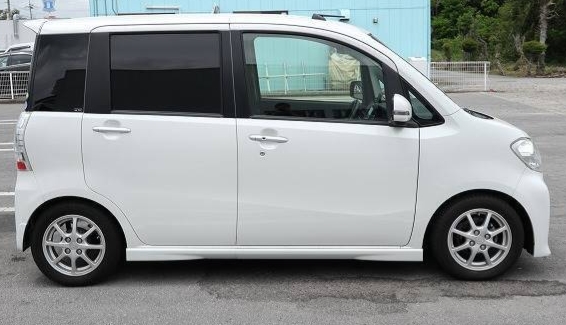
The Lucra, however, was not born on a Subaru design table. It is a product of badge engineering, a common practice in the Japanese domestic market (JDM) where manufacturers share models to fill gaps in their lineups and reduce development costs. The Lucra is, in fact, a rebadged Daihatsu Tanto Exe. This relationship stems from Toyota’s majority ownership of Daihatsu and its significant stake in Subaru, enabling a strategic partnership where Daihatsu, a master of the small car, provides Subaru with competitive kei car models.
.
NO MORE dead batteries with this:

.
A Brief History: Production and Purpose (2010-2015)
The Subaru Lucra made its debut in Japan on April 20, 2010. Its production run was directly tied to its Daihatsu counterpart, lasting for approximately five years before sales officially ceased in June 2015, with production wrapping up a few months prior in March.
The name “Lucra” was a creative portmanteau derived from the words Large, Utility, Comfort, Relax, and Active. This naming convention perfectly encapsulated the vehicle’s mission. It was not designed to be a performance car but a “tall wagon” kei car focused on maximizing interior space and comfort within a tiny footprint. It aimed to provide a more relaxed and spacious alternative to the more utilitarian, ultra-tall “super height wagon” kei cars like the standard Daihatsu Tanto (which Subaru would later rebadge as the Chiffon). The Lucra, and by extension the Tanto Exe, carved a niche for itself by offering generous headroom and a sense of openness without the van-like proportions of its taller siblings.
Models and Trim Levels: A Tale of Two Lucras
The Lucra lineup was intelligently split into two distinct visual and philosophical identities: the standard Lucra and the sportier Lucra Custom. This strategy allowed Subaru to target two different buyer demographics with the same underlying vehicle. Both versions were available with a choice of front-wheel drive (FWD) or a full-time all-wheel-drive (AWD) system, a feature that, while sourced from Daihatsu, aligned perfectly with Subaru’s brand identity.
All Lucra models were powered by Daihatsu’s 658cc KF-series three-cylinder engine and were exclusively paired with a Continuously Variable Transmission (CVT), emphasizing smooth, efficient urban driving over raw performance.
1. The Standard Subaru Lucra
The standard Lucra was aimed at families and individuals seeking maximum practicality, comfort, and an understated, friendly appearance. Its design featured large, gentle-looking headlamps, a simple grille, and clean body lines. The interior was bright and airy, often featuring beige or light gray plastics and fabrics to enhance the sense of space.
The trim levels for the standard Lucra were as follows:
- L: This was the entry-level model. It came equipped with the essentials for daily driving but was relatively spartan. Features included manual air conditioning, power windows, and a basic instrument cluster. It was the most affordable way to get into a Lucra.
- L Special: A slight step up from the base L, the L Special often included minor cosmetic enhancements or bundled popular options at a value price point. This trim was sometimes offered as a limited-run promotional model.
- L Limited: Positioned as a more comfortable and convenient option, the L Limited added features that made daily life easier. This often included full automatic air conditioning, keyless entry (sometimes with a push-button start), and upgraded interior trim pieces. It represented the sweet spot for buyers wanting comfort without the sporty pretense of the Custom models.
All standard Lucra trims were equipped with the naturally aspirated KF-VE engine, producing a modest but adequate 52 horsepower (PS) and 60 Nm of torque. This engine was optimized for fuel efficiency and low-end response, making it ideal for city traffic.
2. The Subaru Lucra Custom
The Lucra Custom was designed for a younger, more style-conscious audience who wanted their practical kei car to have a dash of sporty aggression. The transformation was primarily cosmetic but highly effective. The Custom featured a completely different front fascia with a bold, aggressive bumper, a sleek black grille, sharp-looking quad-projector headlights, and often integrated fog lamps. The rear was distinguished by clear-lensed “Euro-style” taillights. The overall package was completed with side skirts and, on higher trims, bespoke alloy wheels. The interior was typically finished in a darker, more serious black color scheme.
The trim levels for the Lucra Custom mirrored the standard model’s progression but with a performance-oriented flagship:
- R: The base model of the Custom line. It carried all the aggressive styling of the Custom but was powered by the same naturally aspirated KF-VE engine as the standard Lucra. This allowed buyers to get the sporty look without the added cost and fuel consumption of the turbocharged engine.
- R Limited: Similar to the L Limited, the R Limited trim added a host of convenience features to the sporty Custom R package. This typically included upgraded audio systems, automatic air conditioning, and premium interior accents, making it a well-equipped and stylish choice.
- RS: This was the pinnacle of the Lucra range and the only model to receive a significant performance upgrade. The “S” in RS stood for “Sport,” and it delivered on that promise with the turbocharged and intercooled KF-DET engine. This engine produced 64 horsepower (PS), the maximum allowed by kei car regulations, and a much healthier 92 Nm of torque. While the horsepower figure was only a modest jump, the nearly 50% increase in torque dramatically improved acceleration and made the Lucra RS feel significantly more responsive and capable, both in the city and on the highway. The RS was the definitive choice for those who wanted kei car practicality with a bit of Subaru-esque spirit, even if that spirit was borrowed from Daihatsu.
The Interior and Driving Experience
Inside, the Lucra’s design was a masterclass in space optimization. The dashboard was pushed forward, and the A-pillars were relatively thin, creating excellent forward visibility. A key feature was the column-mounted gear selector and a front bench seat, which allowed for a “walk-through” cabin, making it easy to slide from one side of the car to the other or access the rear seats without getting out.
The rear seats could slide forward and back, allowing owners to prioritize either rear passenger legroom or luggage space. With the seats pushed back, the rear legroom was comparable to that of a much larger sedan. Fold them down, and the Lucra could swallow a surprising amount of cargo, living up to the “Utility” in its name.
The driving experience was exactly as intended: easy and stress-free. The tight turning radius made U-turns and parking maneuvers effortless. The naturally aspirated models were perfectly content zipping through city streets, while the CVT kept the engine in its most efficient range. The turbocharged RS model offered a welcome surge of power that made merging onto highways and overtaking a far less daunting task. The available AWD system provided an extra layer of confidence on wet or snowy roads, a valuable feature in many parts of Japan.
Legacy and Future Outlook
The Subaru Lucra was discontinued in 2015 not due to failure, but because its parent model, the Daihatsu Tanto Exe, reached the end of its product cycle. The OEM relationship between Subaru and Daihatsu continued seamlessly. The Lucra’s role in the Subaru lineup was essentially filled by the Subaru Chiffon, a rebadged version of the main Daihatsu Tanto “super height wagon,” which offered even more vertical space.
The future outlook for the Lucra nameplate is nonexistent. It was a model of a specific time, serving a specific purpose within Subaru’s JDM strategy. There are no plans to revive the name or the model. However, its legacy is important. The Lucra represents the pragmatic business side of the modern automotive industry. It showcases Subaru’s commitment to serving its home market with vehicles that its customers actually need, even if it means collaborating with another manufacturer to do so.
While it may lack the boxer rumble and the symmetrical all-wheel-drive pedigree of its more famous stablemates, the Subaru Lucra is a fascinating and valid piece of the brand’s history. It’s a reminder that for every performance icon, there is an army of unassuming, practical vehicles that keep the world moving. It is, in its own quiet way, the un-Subaru that perfectly fulfilled its mission.