The Unsung Workhorse: A Deep Dive into the Daihatsu Delta
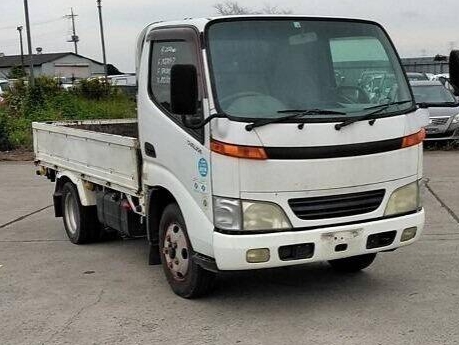
In the vast and often noisy automotive landscape, some vehicles carve out their niche through sheer utility and unwavering reliability. They might not possess the glamour of a sports car or the prestige of a luxury sedan, but they form the backbone of countless businesses and industries. The Daihatsu Delta, a commercial vehicle that served faithfully for decades, is a prime example of such an unsung hero. While its name might not immediately spark recognition for the average car enthusiast, for those who relied on its steadfast performance, the Delta was an indispensable tool. This article will delve into the history, models, trim levels, and enduring legacy of the Daihatsu Delta, exploring its place in the commercial vehicle market and its eventual transition.
A Legacy Rooted in Commercial Prowess: The Daihatsu Delta’s Genesis
Daihatsu, a marque with a rich history dating back to 1907, has always had a strong focus on compact and commercial vehicles. Their expertise in building durable, no-nonsense machinery translated directly into the development of the Delta. While specific origins can be traced back to collaborations and evolving platforms, the Delta emerged primarily as Daihatsu’s answer to the growing demand for light and medium-duty commercial trucks and vans in Japan and beyond.
The first iterations of vehicles that would eventually be known as the Delta began appearing in the mid-20th century, often in collaboration with other manufacturers. However, the formal recognition and distinct identity of the Daihatsu Delta as a dedicated commercial vehicle line solidified over time, particularly during the latter half of the 20th century. It was designed to be a workhorse, capable of handling a variety of tasks from local deliveries to specialized trades.
A Diverse Family: Models and Generations of the Daihatsu Delta
The Daihatsu Delta wasn’t a single monolithic entity. Over its production lifespan, it evolved through several generations, each bringing refinements and adaptations to meet changing market needs. Furthermore, its nomenclature and specific model designations could often be complex, reflecting the modular nature of commercial vehicle design and regional variations. For clarity, we can broadly categorize the Delta’s significant presence into its primary forms: the Delta Wide and the Delta V58/V118/V119 series.
.
NO MORE dead batteries with this:

.
The Delta Wide (Introduced mid-1970s onwards): A Versatile Base
The Delta Wide series laid the groundwork for Daihatsu’s success in the light commercial vehicle segment. These were typically smaller, more compact trucks and vans, often characterized by their “cab-over” design, which maximizes interior cargo space and offers excellent maneuverability in urban environments.
- Models:
- Delta Wide Truck: Available in various wheelbase lengths and payload capacities, these were the quintessential delivery trucks. They could be configured with flatbeds, enclosed cargo boxes, or specialized utility bodies.
- Delta Wide Van: The van version offered a fully enclosed cargo area, ideal for transporting goods securely and protecting them from the elements.
- Delta Wide Bus: While less common, some Delta Wide derivatives were adapted for passenger transport, functioning as minibuses for local routes or shuttle services.
- Trim Levels and Specifications: The concept of “trim levels” in commercial vehicles differs from passenger cars. Instead of luxury features, the focus was on functional variations.
- Payload Capacity: The primary differentiation was the Gross Vehicle Weight Rating (GVWR), typically ranging from 1 to 3 tons. Common designations included 1-ton, 1.5-ton, and 2-ton models.
- Engine Options: Early Delta Wide models often featured robust diesel engines, known for their fuel efficiency and torque, essential for hauling loads. Gasoline engines were also available for lighter duty applications. Specific engine displacements varied but generally fell within the 1.5 to 2.5-liter range.
- Drivetrain: Rear-wheel drive was the standard configuration for optimal load-carrying capability. However, some models might have offered four-wheel drive options for enhanced traction in challenging conditions.
- Body Styles: Beyond the basic truck and van, specialized bodies were common. These included refrigerated units, dump trucks, and even chassis cabs for custom upfitting.
The Delta V58/V118/V119 Series (Late 1980s – Early 2000s): The Evolution of the Workhorse
This era saw the Delta evolve into a more sophisticated and capable commercial vehicle, building upon the foundation of the Delta Wide. These models were often seen as direct competitors to similar offerings from Toyota (Dyna/Toyoace) and Nissan (Urvan/Atlas).
- Models:
- Delta V58 (Light Duty Truck/Van): This was a smaller, more agile variant, often used for urban deliveries and smaller businesses. It maintained the cab-over design for efficiency.
- Delta V118/V119 (Medium Duty Truck/Van): These represented the heavier-duty end of the Delta spectrum. They offered increased payload capacities and more powerful engines, suitable for longer routes and heavier loads. The distinction between V118 and V119 might have related to chassis configurations, wheelbase, or specific engine/transmission options.
- Trim Levels and Specifications: As with earlier models, the “trim levels” were more about functional variations:
- Payload Capacity: These models typically ranged from 1.5 tons up to 4 tons or more for the V118/V119 series.
- Engine Options: Diesel engines remained the dominant choice, with advancements in turbocharging and emissions control becoming more prevalent. Common diesel engines included the Daihatsu DL series (e.g., DL42, DL43) and later, potentially sourced engines from Isuzu or Toyota if Daihatsu’s internal offerings were insufficient for certain applications. These engines would typically range from 2.0 to 4.0 liters. Gasoline engines were still offered for some lighter variants.
- Transmission: Manual transmissions were standard, reflecting the focus on durability and control. Automatic transmissions might have been available on some higher-spec or specialized models.
- Cabin Configurations:
- Standard Cab: The typical single-row seating arrangement.
- Double Cab: Some variants offered a second row of seating, allowing for more crew or personnel to be transported along with the cargo.
- Body Styles: The versatility of the Delta continued. Common body styles included:
- Standard Cargo Truck: With various bed lengths and materials (e.g., steel, aluminum).
- Box Van: Enclosed for secure, weatherproof transport.
- Refrigerated Van (Reefer): For transporting perishable goods.
- Tipper/Dump Truck: For construction and waste disposal.
- Chassis Cab: Allowing for customization by third-party body builders.
- Specialized Vehicles: Fire trucks, utility service vehicles, and even small buses were built on Delta platforms.
Key Features and Considerations for the Delta
The Daihatsu Delta was designed with practicality and longevity in mind. Key features that contributed to its success included:
- Robust Diesel Engines: Known for their reliability, fuel efficiency, and ability to produce ample torque for hauling.
- Compact and Maneuverable Design: Especially the cab-over variants, making them ideal for navigating narrow city streets and tight loading docks.
- Durable Construction: Built to withstand the rigors of commercial use, with strong chassis and body components.
- Simplicity and Ease of Maintenance: Commercial vehicles often favor simpler mechanical designs for easier and more cost-effective repairs, a characteristic of the Delta.
- Cost-Effectiveness: Daihatsu vehicles, in general, have a reputation for offering good value, and the Delta was no exception, making it an attractive option for small to medium-sized businesses.
The Daihatsu Delta’s Place in the Market and its Decline
The Delta series played a significant role in Daihatsu’s commercial vehicle portfolio for many years. It competed in a crowded segment alongside established players from Toyota, Nissan, Mitsubishi Fuso, and Isuzu. Its strength lay in its reliability and affordability, making it a popular choice in its primary markets, including Japan, Southeast Asia, and other parts of the world.
However, the automotive industry is dynamic. Several factors contributed to the eventual phasing out of the Daihatsu Delta.
- Consolidation and Partnerships: Daihatsu, a subsidiary of Toyota Motor Corporation since 1967, saw its product lines increasingly integrated and sometimes shared with its parent company. In many regions, Toyota’s own commercial vehicle offerings, such as the Dyna and Toyoace, became more dominant.
- Shifting Market Demands: The global commercial vehicle market evolved with increasing demands for higher payload capacities, advanced safety features, and improved fuel efficiency and emissions standards. While Daihatsu did update the Delta over time, the pace of innovation in some areas might have lagged compared to competitors.
- Strategic Focus: Toyota’s global strategy often led to the streamlining of platforms and model lines. In many markets, the Delta was effectively replaced or superseded by Toyota’s own commercial vehicle range, leveraging Toyota’s larger manufacturing and distribution networks.
The production of the Daihatsu Delta, in its various forms, spanned several decades, with the last significant models likely concluding production in the early to mid-2000s. While specific end-of-production dates can vary by market and model variant, the Delta as a distinct Daihatsu lineage largely faded to make way for a more consolidated Toyota commercial vehicle offering.
The Future Outlook: A Legacy Endures in the Used Market
While brand-new Daihatsu Deltas are no longer rolling off the assembly lines, their legacy is far from over. The vehicles continue to serve diligently in many parts of the world, particularly in regions where robust and simple machinery is highly valued.
- The Used Market: The Delta remains a popular choice in the used commercial vehicle market. Its reputation for reliability means that well-maintained examples can still offer many years of service for businesses on a budget.
- Niche Applications: In certain developing markets or for specific niche applications where advanced technology is not a priority, the Delta’s straightforward design and durability make it an enduring option.
- Nostalgia and Restoration: For enthusiasts and former owners, the Daihatsu Delta represents a golden era of practical, utilitarian vehicles. It’s not uncommon to find restored Delta models being showcased at vintage commercial vehicle rallies.
Conclusion: A Testament to Unsung Utility
The Daihatsu Delta may not be a household name, but its impact on the commercial vehicle sector, particularly in its home market of Japan and various export regions, is undeniable. It was a vehicle built for purpose, designed to be a reliable partner for businesses, transporting goods, supporting trades, and facilitating daily commerce. Its evolution through different generations, encompassing the versatile Delta Wide and the more robust V58/V118/V119 series, showcased Daihatsu’s commitment to this vital segment. While its production run has concluded, the spirit of the Daihatsu Delta lives on in the countless used examples that continue to work tirelessly and in the memories of those who relied on this unsung workhorse. It stands as a testament to the enduring value of practicality, reliability, and dedicated utility in the automotive world.