The Mercedes-Benz Metris History: A Versatile Midsize Van for Business and Beyond
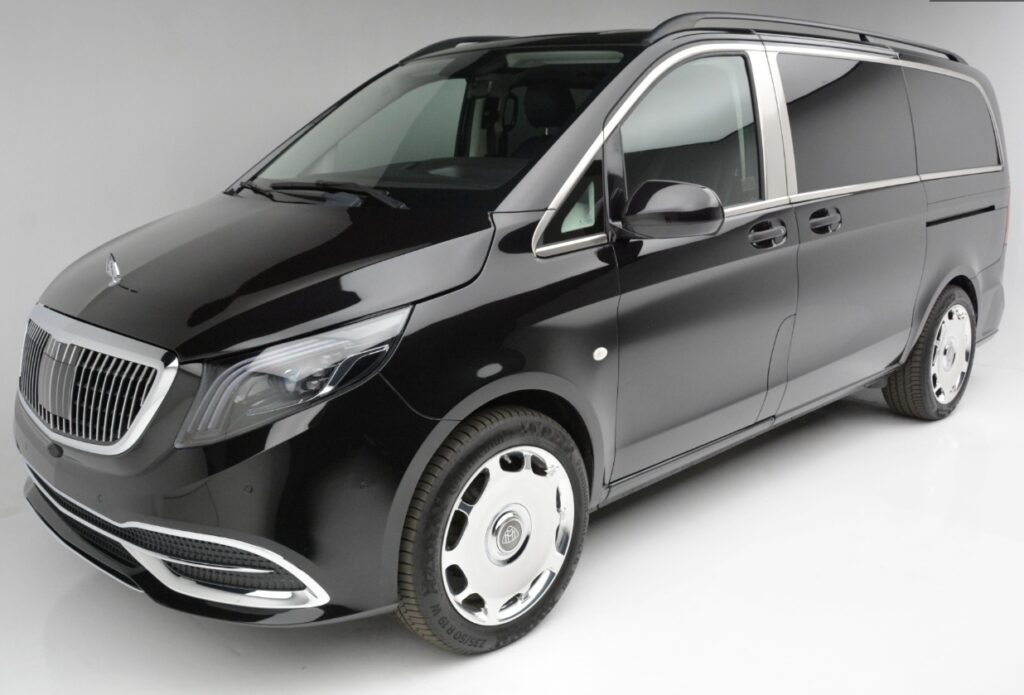
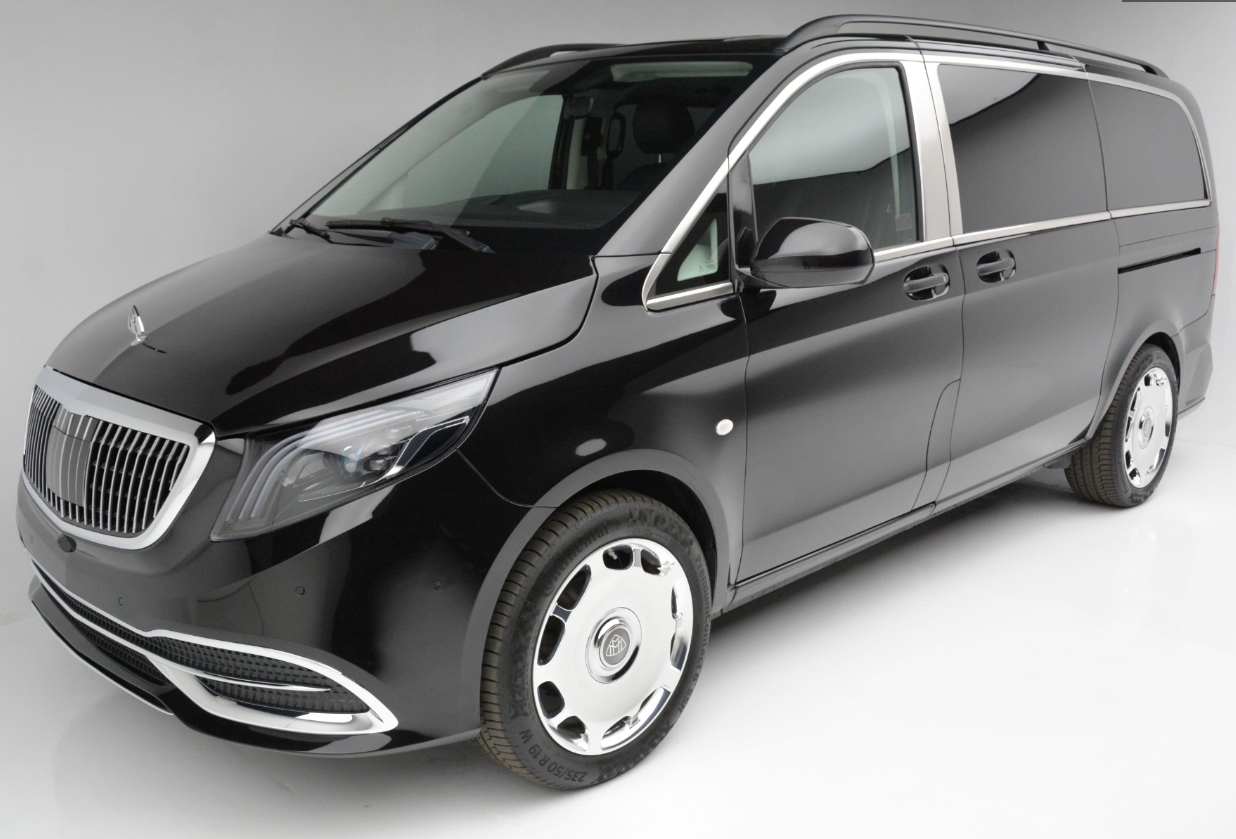
The automotive landscape is ever-evolving, with manufacturers constantly seeking new ways to meet the diverse needs of consumers and businesses alike. Among these innovations is the Mercedes-Benz Metris, a midsize van that bridges the gap between commercial utility and passenger comfort. Launched in 2016, the Metris represents Mercedes-Benz’s foray into the midsize van segment, leveraging its parent company’s resources and shared platforms to deliver a vehicle that excels in both practicality and brand prestige. This article delves into the history, models, features, and future of the Metris, offering a comprehensive look at its role in Mercedes-Benz’s expanding lineup.
Historical Context: The Birth of the Metris
Before the Metris, Mercedes-Benz primarily targeted the larger commercial van market with models like the Vito and Sprinter. However, by the mid-2010s, the automaker recognized a growing demand for a more versatile, midsize van—one that could serve small businesses as a cargo carrier while also appealing to families needing a spacious passenger vehicle. The solution arrived in the form of a collaboration with Stellantis (then Chrysler Group LLC), whose Chrysler Pacifica already occupied a similar niche.
The Metris was introduced in 2016 as a rebadged version of the Chrysler Pacifica, sharing its PLA1 platform. This partnership allowed Mercedes to enter the midsize van market cost-effectively, while also catering to fleets and commercial users who valued the Mercedes-Benz brand. The name “Metris” reflects the vehicle’s urban mobility focus, emphasizing its ability to adapt to both city commuting and work environments.
By 2022, a refreshed second generation of the Metris debuted, marking a step toward greater independence from its Chrysler roots while incorporating new design elements and updated technology. This evolution underscores the Metris’s role as a flexible, forward-thinking vehicle for the modern era.
.
NO MORE dead batteries with this:

.
Production Years and Generations
The Mercedes-Benz Metris has been produced in two distinct generations:
- First Generation (2016–2021):
The inaugural Metris combined the Pacifica’s roomy chassis with Mercedes-Benz’s branding and some unique trim enhancements. Initially divided into B-Model (base commercial van), C-Model (mid-tier utility/cargo), and Van-Mod (passenger-focused) trims, the first generation emphasized versatility for both work and family use. - Second Generation (2022–Present):
Launched in 2022, the second generation features a slightly longer 140.7-inch wheelbase (up from 135 inches) and a more refined exterior design. Trim levels were simplified to B-Model, C-Model, and S-Model, with the S-Model serving as the premium passenger-oriented variant. This generation also boasts improved technology and comfort features, aligning more closely with Mercedes-Benz’s luxury image.
Trim Levels and Models
The Metris offers a range of configurations tailored to different user needs, divided into commercial, passenger, and crew van models across its generations. Below is a breakdown of the trim levels and their key attributes:
First Generation (2016–2021)
- B-Model (Base Commercial Van):
Designed for businesses, the B-Model comes with a utilitarian interior, large cargo capacity (up to 146.6 cubic feet), and a focus on durability. Features include a 120-volt outlet, adjustable cargo tie-downs, and heavy-duty floor mats. Limited comfort amenities ensure a no-frills approach for commercial use. - C-Model (Mid-Tier Utility Van):
The C-Model adds convenience and comfort for mixed-use scenarios. It includes amenities like a leather-wrapped steering wheel, keyless entry, a rearview camera, and optional roof rails. Cargo efficiency is maintained, but the C-Model is more suitable for light passenger transport. - Van-Mod (Passenger/Crew Van):
Marketed as a premium passenger van, Van-Mod trims feature seating for up to eight passengers, second-row captain’s chairs, and amenities like a 7-inch touchscreen, Harman Kardon audio system, and dual-zone climate control. This version appeals to families and small businesses needing a combination of space and comfort.
Second Generation (2022–Present)
- B-Model (Base Van):
Retains the commercial focus of the first generation but adds subtle design updates. It retains the 120-volt outlet and reinforced floor but now includes features like 17-inch wheels, a 7-inch infotainment screen, and Apple CarPlay/Android Auto. - C-Model (Mid-Tier Van):
Moves away from the purely utilitarian approach, blending commercial functionality with comfort. It offers features like leather-appointed seats, a panoramic sunroof, and a 10.25-inch infotainment system. The C-Model is ideal for small business owners who want a balance of cargo space and passenger amenities. - S-Model (Premium Passenger Van):
The top-tier offer in the second generation, the S-Model focuses on luxury and comfort. Highlights include ambient interior lighting, heated/cooled front seats, a 12.3-inch digital instrument cluster, and a premium Burmester audio system. This trim is often used by corporate fleets for executive transport.
Additional Configurations:
- Cargo Van: Available across multiple trims, optimized for transporting goods.
- Crew Van: A passenger-focused model with up to eight seats, ideal for families or shuttle services.
- Passenger Van: Features a more living-room-like interior with seating for up to seven, designed for extended trips.
Engine Options and Performance
Both generations of the Metris share the same 3.6L V6 engine, rated at 248 horsepower and 240 lb-ft of torque. This engine pairs with a 9-speed automatic transmission, offering smooth gear shifts and efficient power delivery. The engine is based on the Pentastar V6, a proven design used across Chrysler’s lineup.
Fuel economy remains a focus, with the 2016–2021 Metris achieving 18 mpg city/28 mpg highway, while the 2022 version maintains a similar rating. The inclusion of start-stop technology and lightweight materials helps reduce fuel consumption for commercial users and long-distance drivers.
The Metris can tow up to 3,500 pounds, making it suitable for light trailers or utility equipment. However, its primary appeal lies in cargo capacity and passenger space rather than towing.
Key Features and Technology
The Metris is designed to be a technology-forward vehicle, even in its base trims. Notable features include:
- Infotainment Systems: Ranging from a 7-inch touchscreen (B-Model) to a 12.3-inch unit (S-Model) with Apple CarPlay and Android Auto.
- Panoramic Sunroof: Available on C-Model and above, enhancing cabin brightness.
- Cargo Management: Adjustable shelves, underfloor storage, and an optional power liftgate.
- Driver Assistance: Advanced safety tech like AEB, lane keep assist, and adaptive cruise control is standard on higher trims.
The S-Model elevates the experience with Burman seating (a modular seating system), climate-controlled storage, and Heads-Up Display for critical information. These features make the Metris a standout in the minivan and commercial van segments.
Safety and Reliability
Mercedes-Benz prioritizes safety in all its models, and the Metris is no exception. The van is equipped with standard safety features such as:
- Active Brake Assist with Cross-Traffic Detection
- Attention Assist to detect drowsiness
- Blind-Spot Monitoring
- 360-Degree Camera (on top trims)
Insurance Institute for Highway Safety (IIHS) awards and NHTSA ratings have consistently praised the Metris for structural integrity and crash avoidance capabilities. Its reinforced body and airbag systems make it a secure choice for families and fleets alike.
Market Position and Competition
The Metris competes in the midsize van segment against vehicles like the Chrysler Pacifica, Honda Odyssey, and Toyota Sienna. Its commercial variants rival the Ford Transit Connect and Nissan NV200, offering a balance of cargo space and Mercedes-Benz’s brand value.
While the Pacifica offers similar practicality, the Metris distinguishes itself with premium branding, optional luxury trims, and the Versellaneous seating system (available in Van-Mod/S-Model). For businesses, the Metris’s reputation for reliability and low maintenance costs is a major draw.
Future Outlook: Electrification and Innovation
As the automotive industry shifts toward sustainability, Mercedes-Benz has committed to electrification for all its models. While the Metris currently does not have an electric variant, a potential EQ Metris could emerge in the 2025–2030 timeframe, leveraging Stellantis’s MDA platform for electric vehicles.
In the short term, a hybrid version of the Metris is likely—echoing the Chrysler Pacifica Hybrid’s success. Such a model would appeal to eco-conscious businesses and urban commuters. Additionally, autonomous driving features and AI-powered infotainment are expected to debut in future Metris models, keeping the van competitive in a tech-driven market.
The Mercedes-Benz Metris is a testament to the automaker’s ability to adapt to changing market demands. By combining the practicality of a midsize van with the prestige of the Mercedes-Benz brand, it offers a compelling option for both business and personal use. Whether serving as a cargo hauler, executive shuttle, or family transport, the Metris exemplifies the perfect blend of utility, comfort, and innovation.
With plans for electrification and continued tech upgrades, the Metris is poised to remain a versatile workhorse for years to come. As the lines between commercial and passenger vehicles blur, Mercedes-Benz’s focus on the Metris underscores its commitment to delivering all-encompassing mobility solutions in an increasingly dynamic world.