The Evolution of the Baojun KiWi EV: From Experimental Microcar to Smart Urban Mobility Platform
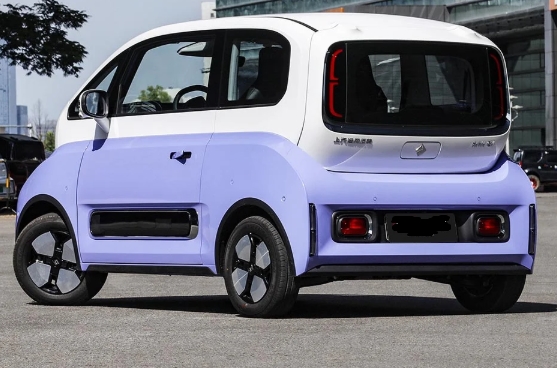
The Baojun KiWi EV is one of the most unconventional and technologically ambitious micro electric vehicles produced by SAIC-GM-Wuling (SGMW). Emerging from the earlier Baojun E-series of compact EVs, the KiWi EV blends futuristic design, urban practicality, and advanced connectivity features in a small footprint.
Produced from 2020 through 2025, the KiWi EV represents an important transitional model for Baojun—bridging the gap between ultra-basic city EVs and more advanced, software-defined electric vehicles. This article explores the full evolution of the Baojun KiWi EV, including its origins, production timeline, trim levels, and future outlook.
Origins: The Baojun E300 (2019–2021)
The story of the Baojun KiWi EV begins with the Baojun E300, first revealed in late 2019 and launched in China in 2020.
Production Start: 2020
Initial Model Line: Baojun E300 and E300 Plus
The E300 was part of Baojun’s early push into affordable electric mobility, following earlier models like the E100 and E200. It introduced a radical “capsule-like” design, emphasizing compactness and futuristic styling.
E300 Variants and Configurations
The E300 lineup included:
- E300 (Short Wheelbase)
- Two- or three-seat configurations
- Extremely compact dimensions (~2.6 m length)
- E300 Plus (Long Wheelbase)
- Four-seat configuration
- Extended wheelbase (~2.9 m length)
Powertrain and Performance
- Rear-mounted electric motor (40 kW)
- Rear-wheel drive
- Battery capacity up to ~31.9 kWh
- Range up to 305 km (NEDC)
The E300 established the technical foundation for what would later become the KiWi EV.
2021: Transformation into the Baojun KiWi EV
Relaunch: August 2021
Production Continuation: 2021–2025
In August 2021, Baojun rebranded and significantly updated the E300, relaunching it as the Baojun KiWi EV.
This transformation marked more than just a name change—it represented a shift in positioning toward a lifestyle-oriented, tech-forward urban EV.
Key Updates in 2021
- Redesigned exterior with two-tone “floating cabin” styling
- Enhanced interior materials and layout
- Introduction of Baojun’s telematics 2.0 system
- Expanded personalization options
The KiWi EV maintained the same core mechanical layout but improved overall refinement and user experience.
2021 Trim Levels
At launch, the KiWi EV was offered in two primary trim levels:
- Standard Version
- High-End Version
Features and Differences
- Standard Trim
- Basic infotainment and connectivity
- Essential safety features
- Lower price (~69,800 yuan)
- High-End Trim
- Enhanced connectivity and AI voice interaction
- Improved interior finishes
- Additional convenience features (~78,800 yuan)
Both trims shared:
- 305 km range
- 40 kW motor
- DC fast charging capability
This simple structure reflected Baojun’s focus on affordability and accessibility.
2022–2023: Major Upgrade and Expanded Trim Range
The most significant evolution of the KiWi EV occurred with the 2023 model update, launched in late 2022.
Key Changes
- Introduction of advanced driver assistance technology
- Collaboration with DJI for autonomous driving features
- Expanded trim lineup
- Updated exterior colors and styling details
Notably, the KiWi EV became the first production vehicle to integrate DJI’s autonomous driving system in its top trim.
2023 Trim Levels
By 2023, the KiWi EV lineup expanded to six distinct trims, reflecting a more sophisticated product strategy.
Core Trim Categories
1. Smart Tide Series
- Smart Tide (LFP battery)
- Smart Tide (NMC battery)
These were entry-level variants with:
- 31.7 kWh battery
- 305 km range
- Standard infotainment and safety features
2. Smart Luxury Series
- Smart Luxury (LFP)
- Smart Luxury (NMC)
These mid-range trims added:
- Enhanced interior materials
- Improved connectivity
- Additional driver assistance features
3. DJI Edition (Flagship)
- DJI Edition (LFP)
- DJI Edition (NMC)
Top-tier models featured:
- DJI autonomous driving system
- Advanced sensors and cameras
- Higher top speed (up to 115 km/h)
- Premium feature set
All trims retained the same basic motor output (40 kW), but differed in technology and battery chemistry.
Pricing Range
- Approximately 87,800 to 102,800 yuan
- Positioned above ultra-budget EVs but below premium compact EVs
Design Evolution
The Baojun KiWi EV’s design remained one of its defining characteristics throughout its lifecycle.
Key Design Elements
- Two-tone body with a “floating cabin” effect
- Boxy, upright proportions
- Minimal overhangs for urban maneuverability
- Distinct front and rear fascia with LED lighting
This design appealed strongly to younger buyers and those seeking a distinctive, customizable vehicle.
Technology and Features
Connectivity and Infotainment
- Baojun Telematics 2.0 system
- Voice-controlled functions
- Smartphone integration
- Navigation and app-based controls
Safety and Driver Assistance
- Electronic stability control (ESC)
- ABS with EBD
- Dual airbags
- Advanced driver assistance in higher trims
Autonomous Driving Innovation
The DJI-equipped models represented a major step forward:
- Camera-based perception system
- Semi-autonomous driving capabilities
- Smart parking assistance
This positioned the KiWi EV as a technology leader within its price segment.
Market Performance
Sales figures indicate moderate success:
- 2023: 5,639 units
- 2024: 3,573 units
- 2025: 191 units
While not as successful as the Wuling Hongguang Mini EV, the KiWi EV carved out a niche as a more premium micro EV.
2024–2025: Final Years and Decline
By 2024 and 2025, the KiWi EV faced increasing competition from newer and more practical EVs.
Challenges
- Limited Practicality
- Small size restricted its appeal as a primary vehicle
- Rising Competition
- Newer compact EVs offered more space and range
- Shift in Consumer Preferences
- Buyers increasingly favored larger vehicles
As a result, production gradually declined, with the model effectively phased out by 2025.
Engineering and Platform
The KiWi EV was built on the SGMW Global Small Electric Vehicle platform, designed specifically for micro EVs.
Key Characteristics
- Rear-motor, rear-wheel-drive layout
- Lightweight construction (≈920–1050 kg)
- Compact wheelbase (up to 2020 mm)
This platform prioritized efficiency, affordability, and urban usability.
Comparison of Evolution
2020–2021: E300 Era
- Multiple seating configurations
- Experimental design
- Limited trim differentiation
2021–2022: KiWi Launch
- Two trims
- Improved design and features
- Lifestyle-oriented positioning
2023: Peak Development
- Six trims
- Advanced technology (DJI system)
- Expanded customization
2024–2025: Decline
- Reduced sales
- No major updates
- Gradual discontinuation
Market Position and Competitors
The Baojun KiWi EV occupied a niche between:
- Ultra-budget EVs (e.g., Wuling Mini EV)
- Larger compact EVs (e.g., BYD Dolphin)
Strengths
- Unique design
- Advanced technology for its class
- Compact urban usability
Weaknesses
- Limited interior space
- Modest performance
- Narrow target audience
Future Outlook
Although the Baojun KiWi EV itself has been discontinued, its influence continues.
1. Platform Legacy
The KiWi EV helped refine SGMW’s micro EV platform, influencing later models and design strategies.
2. Technology Transfer
Features such as:
- AI voice interaction
- Advanced driver assistance
- Smart connectivity
have carried over into newer Baojun vehicles.
3. Shift Toward Larger EVs
Baojun’s lineup has moved toward:
- Compact SUVs (Yep, Yunhai)
- Family-oriented EVs (Yunduo)
This reflects changing market demands.
4. Potential Spiritual Successors
Future vehicles may:
- Retain the KiWi’s design creativity
- Offer improved practicality
- Integrate more advanced autonomous features
The Baojun KiWi EV represents a bold and experimental chapter in the evolution of China’s electric vehicle market. Produced from 2020 to 2025 (including its E300 origins), it evolved from a niche microcar into a technologically advanced urban EV.
Key Milestones
- 2020: Launch as Baojun E300
- 2021: Rebranded as KiWi EV
- 2023: Expanded to six trims with advanced technology
- 2025: End of production
While it never achieved mass-market success, the KiWi EV demonstrated how innovation, design, and technology could be brought to even the smallest and most affordable vehicles.
In retrospect, the Baojun KiWi EV was not just a car—it was a concept brought to life, pushing the boundaries of what a micro EV could be in the modern era.