The Evolution of the Škoda Karoq: From Yeti Successor to Global Compact SUV Mainstay
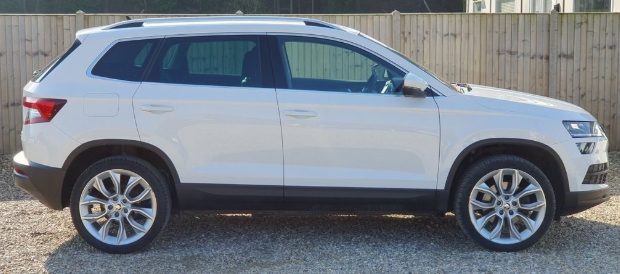
The Škoda Karoq is one of the most important modern vehicles in Škoda’s lineup, representing the brand’s strong push into the compact SUV segment. Introduced in 2017 as the successor to the Škoda Yeti, the Karoq quickly became a global success thanks to its practicality, advanced technology, and competitive pricing.
Since its launch, the Karoq has evolved through updates, facelifts, and an expanding range of trims and variants. This article explores the full evolution of the Škoda Karoq, including production years, trim levels, technical development, and future outlook.
Origins and Background
The Škoda Karoq was officially unveiled in May 2017 and entered production shortly afterward. It replaced the Škoda Yeti, which had been produced from 2009 to 2017, and marked a shift toward more conventional SUV styling and positioning.
The Karoq was developed as part of Škoda’s broader SUV strategy, following the introduction of the larger Škoda Kodiaq in 2016.
Production Overview
- Production years: 2017–present
- Segment: Compact SUV (C-segment)
- Platform: Volkswagen Group MQB
- Assembly locations: Czech Republic, Slovakia, China, Russia
The Karoq quickly became a core model, with over 500,000 units produced within its first few years.
.
THIS is GOOD stuff if your car is in need:

.
First Generation (2017–Present)
Unlike some Škoda models, the Karoq has remained in its first generation since launch, receiving a significant facelift in 2021 rather than a full redesign.
Early Years: Initial Launch Models (2017–2021)
Trim Levels (2017–2021)
At launch, the Karoq followed a traditional Škoda trim hierarchy:
- Active (entry-level)
- Ambition (mid-range)
- Style (high specification)
- Laurin & Klement (L&K) (luxury flagship, in some markets)
Additional market-specific trims included:
- SE, SE L (UK markets)
- Edition models (special trims in Europe and Asia)
Expanded Variants
Škoda quickly expanded the lineup with more specialized versions:
1. Scout (2018–2021)
- Standard all-wheel drive
- Off-road styling elements
2. SportLine (2018–present)
- Sportier appearance
- Blacked-out trim and interior accents
These variants helped position the Karoq as both a lifestyle and family-oriented SUV.
Powertrain Options
The early Karoq offered a wide range of engines:
- Petrol (TSI): 1.0L, 1.5L, 2.0L
- Diesel (TDI): 1.6L and 2.0L
- Power outputs ranged from ~110 hp to 190 hp
Transmission options included:
- 6-speed manual
- 7-speed DSG automatic
Both front-wheel drive and all-wheel drive configurations were available.
Design and Features at Launch
The Karoq introduced Škoda’s modern SUV design language:
- Angular headlights and wide grille
- “Crystalline” styling elements
- Compact yet practical proportions
Interior highlights included:
- Optional VarioFlex rear seating system
- Digital cockpit (later introduced)
- Large cargo capacity
These features made it one of the most practical vehicles in its class.
2021 Facelift (2021–Present)
Overview
- Facelift production years: 2021–present
The 2021 update brought significant improvements in design, technology, and efficiency.
Updated Trim Levels
The facelift simplified and standardized trims:
- Active
- Ambition
- Style
- SportLine (continued as a key variant)
The Scout variant was discontinued in many markets after the facelift.
Key Changes
- Redesigned front grille and slimmer headlights
- Improved aerodynamics (drag coefficient reduced to ~0.30)
- Introduction of sustainable interior materials (Eco Pack)
- Updated infotainment and connectivity
Engine Lineup (Post-Facelift)
- 1.0 TSI (110 hp)
- 1.5 TSI (150 hp)
- 2.0 TSI (190 hp AWD)
- 2.0 TDI (116–150 hp)
These updates improved both efficiency and driving performance.
Trim Level Evolution
The Karoq’s trim structure evolved gradually over time rather than undergoing dramatic changes.
2017–2018
- Active
- Ambition
- Style
2018–2021 Expansion
- Addition of Scout and SportLine
- Introduction of Laurin & Klement in select markets
2021–Present (Facelift Era)
- Active
- Ambition
- Style
- SportLine
Regional Variations
Different markets introduced unique trims:
- SE / SE L / SE Drive (UK)
- Style Plus / Edition variants (Europe and Asia)
This flexibility allowed Škoda to tailor the Karoq to regional preferences.
Technology and Innovation
The Karoq has consistently incorporated modern technology.
Safety and Driver Assistance
- Adaptive cruise control
- Lane assist
- Emergency braking systems
Infotainment
- Touchscreen infotainment systems
- Apple CarPlay and Android Auto integration
- Digital cockpit (later models)
Practical Features
- VarioFlex seating system
- Numerous “Simply Clever” storage solutions
- Large luggage capacity
These features helped the Karoq stand out in the competitive compact SUV segment.
Market Position and Competitors
The Karoq competes in the global compact SUV market against:
- Volkswagen Tiguan
- Nissan Qashqai
- Hyundai Tucson
Its main strengths include:
- Practical interior space
- Strong value for money
- Wide engine and trim selection
The Karoq sits between the smaller Škoda Kamiq and the larger Škoda Kodiaq in Škoda’s SUV lineup.
Global Impact and Sales
The Karoq has been a major commercial success:
- Over 500,000 units produced by 2021
- Sold in approximately 60 global markets
- Became Škoda’s best-selling SUV in 2020
Its success helped SUVs account for a significant portion of Škoda’s global sales.
Design Evolution
2017 Launch
- Angular, rugged styling
- Traditional SUV proportions
2021 Facelift
- Sharper lighting elements
- Improved aerodynamics
- More refined interior materials
While not a full redesign, the facelift modernized the vehicle significantly.
Relationship to the Yeti
The Karoq represents a philosophical shift from the Škoda Yeti:
- More conventional SUV styling
- Larger size and increased practicality
- Broader global appeal
This transition was key to the model’s success.
Future Outlook
The future of the Škoda Karoq will likely align with broader automotive trends.
Expected Developments
- Electrification
- Possible introduction of hybrid or fully electric variants
- Alignment with Volkswagen Group electrification strategy
- Next Generation Model
- A full redesign is expected later in the decade
- Likely adoption of updated MQB or EV-focused platforms
- Technology Enhancements
- More advanced driver assistance systems
- Expanded digital features and connectivity
- Continued Global Role
- The Karoq will remain a key model in Škoda’s SUV lineup
Since its debut in 2017, the Škoda Karoq has evolved into one of the brand’s most important vehicles. From its origins as the successor to the Yeti to its role as a global best-selling compact SUV, the Karoq has demonstrated Škoda’s ability to combine practicality, technology, and value.
With a consistent trim structure—ranging from Active and Ambition to Style, SportLine, Scout, and Laurin & Klement—the Karoq has offered versatility to meet a wide range of customer needs. Its 2021 facelift ensured it remains competitive in a rapidly evolving market.
As Škoda moves toward electrification and digital innovation, the Karoq is expected to continue evolving, maintaining its position as a cornerstone of the brand’s global success.