The Evolution of the Forthing Lingzhi: China’s Enduring Multi-Purpose Vehicle
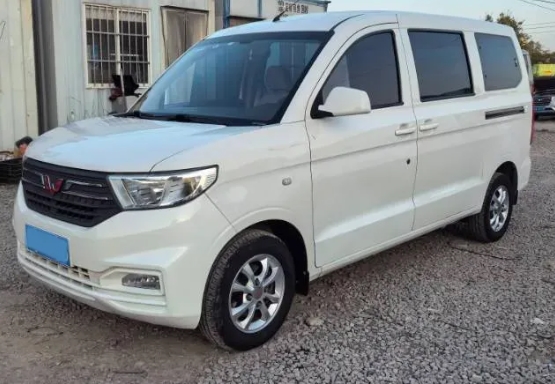
The Forthing Lingzhi is one of the longest-running and most adaptable multi-purpose vehicle (MPV) lineups in China. Produced by Dongfeng Liuzhou Motor under the Forthing marque, the Lingzhi has been in continuous production since 2001, evolving from a simple rebadged Japanese van into a diverse family of passenger, cargo, and electrified MPVs.
Over more than two decades, the Lingzhi has undergone numerous facelifts, trim restructures, and expansions into multiple sub-models such as the M3, M5, and newer Plus variants. This article examines the full evolution of the Lingzhi, including production years, trim levels, and its long-term significance.
Origins and Early Development (2001–Mid 2000s)
Launch and Background
- Production began: 2001
- Status: Ongoing (2001–present)
The Lingzhi was the first model introduced under the Forthing brand, marking Dongfeng Liuzhou Motor’s entry into the passenger vehicle market.
At launch, the vehicle was essentially a localized version of the Mitsubishi Delica Space Gear, produced using technology sourced through Taiwan’s China Motor Corporation.
.

.
Early Design and Engineering
The first Lingzhi models featured:
- Traditional boxy van styling
- Rear-wheel-drive layout
- Body-on-frame-like durability for commercial use
The vehicle was primarily aimed at:
- Business transport
- Government fleets
- Cargo and logistics use
Early Powertrains
Initial engine options included Mitsubishi-derived units such as:
- 2.0L gasoline engine
- 2.4L gasoline engine
- Later diesel options
Transmission:
- 5-speed manual
These engines prioritized reliability and ease of maintenance.
Early Trim Structure (2001–2008)
Trim naming was not standardized, but models were generally divided into:
- Commercial/Base
- Minimal equipment
- Basic seating configurations
- Passenger/Standard
- Improved seating
- Air conditioning
- Executive/Luxury
- Enhanced interior materials
- Additional comfort features
First Major Evolution: Trim Diversification (Late 2000s–2010s)
As the Lingzhi matured, Dongfeng introduced clearer trim distinctions and expanded the lineup.
Introduction of Core Sub-Models
By the early 2010s, the Lingzhi range was organized into three primary variants:
- Lingzhi M3 (Passenger Entry Model)
- Lingzhi M5 (Premium Passenger Model)
- Lingzhi V3 (Cargo/Utility Model)
Each variant targeted a different market segment.
Trim Breakdown
Lingzhi M3
- Entry-level passenger MPV
- Focus on affordability
- Available in standard and long-wheelbase versions (M3L)
Lingzhi M5
- Premium passenger model
- More refined styling
- Upgraded interior features
- Long-wheelbase version (M5L)
Lingzhi V3
- Cargo-oriented variant
- Sealed rear compartment
- Lowest-cost option
- Long-wheelbase version (V3L)
Powertrain Options (2010s)
The Lingzhi lineup expanded to include:
- 1.5L, 1.6L, and 2.0L gasoline engines
- 2.4L gasoline engine
- 1.9L turbo diesel engine
Transmission options remained:
- 5-speed manual
- Later 6-speed manual and automatic options
Market Role
During this period, the Lingzhi became:
- A staple in China’s MPV market
- Popular among small businesses
- A low-cost alternative to imported vans
2013–Present: Expansion into Larger MPVs (Lingzhi Plus Family)
Introduction of Larger Variants
In 2013, Dongfeng introduced a more upscale MPV derived from the Lingzhi concept:
- Forthing CM7 (later Lingzhi Plus / M7 family)
This model marked the expansion of the Lingzhi lineup into higher-end segments.
Lingzhi Plus / M7 Models
These models include:
- Lingzhi Plus
- Lingzhi M7
- Earlier CM7 and F600 variants
Key Features:
- Larger body dimensions
- More premium interior
- Seating for business and executive transport
Powertrain:
- 2.4L Mitsubishi engine
- 2.0L turbo diesel
Trim Levels (2013–Present)
- Standard
- Business
- Luxury
- Executive
Higher trims added:
- Leather seating
- Advanced infotainment
- Improved ride comfort
2018–2020: Modernization of the Core Lingzhi Models
Lingzhi M5 Update
Around 2018, the Lingzhi M5 became the centerpiece of the lineup.
Updates included:
- Redesigned front fascia
- Improved cabin materials
- Enhanced safety features
2020 Facelift
A significant facelift was introduced in 2020, featuring:
- New grille and bumper design
- Updated lighting
- Improved engines
Powertrain Changes:
- 1.6L naturally aspirated engine
- 2.0L engine (~122 hp)
- 5-speed and 6-speed manual transmissions
Trim Levels (2018–2022)
The lineup continued with:
- M3 / M3L (Entry Passenger)
- M5 / M5L (Premium Passenger)
- V3 / V3L (Cargo)
These trims remained the backbone of the Lingzhi range.
Electrification Era (2020s–Present)
Introduction of Electric Variants
As China pushed toward electrification, the Lingzhi lineup expanded into EVs.
Lingzhi M5 EV
- Introduced in early 2020s
- Fully electric MPV variant
- Targeted commercial and urban transport
2025 Model Year (Electric Lineup)
Key trims include:
- 420 km Pure Electric City Transport Edition (5-seat)
- 110 km Extended Range Basic (5- and 7-seat)
- 110 km Extended Range Comfort (7-seat)
- 460 km Pure Electric (7- and 9-seat)
Specifications:
- Battery: ~67.5 kWh
- Range: up to ~460 km
- Rear-wheel drive
Significance
The Lingzhi EV models represent:
- One of China’s early electric commercial vans
- A transition from traditional MPVs to new energy vehicles
Global Expansion and Rebadged Models
The Lingzhi has also been exported and rebadged:
- Evolute i-Van (Russia) – electric version
- Sold in developing markets under Dongfeng branding
This global presence highlights the platform’s adaptability.
Trim and Model Summary (2001–2025)
2001–Late 2000s
- Base / Commercial
- Passenger
- Luxury
2010s Core Lineup
- M3 / M3L
- M5 / M5L
- V3 / V3L
2013–Present (Large MPVs)
- CM7
- M7
- Lingzhi Plus
2020–Present (Facelift Models)
- Updated M3, M5, V3 lineup
2020s Electrified Models
- M5 EV
- Extended-range and pure electric trims
Design and Technology Evolution
Exterior
- 2001: Boxy, utilitarian van design
- 2010s: Incremental modernization
- 2020s: Updated front fascia and styling
Interior
- Early models: Basic commercial interiors
- Mid-generation: Improved passenger comfort
- Modern models:
- Infotainment systems
- Better materials
- Flexible seating layouts
Technology
- Gradual introduction of:
- Power accessories
- Infotainment systems
- Safety features
- Recent additions:
- Electric drivetrains
- Connectivity features
Market Position and Competitors
The Lingzhi competes in the MPV segment against:
- Domestic Chinese vans
- Imported light commercial vehicles
Key Strengths
- Affordability
- Durability
- Wide range of configurations
- Long production history
Future Outlook
The future of the Lingzhi is closely tied to Forthing’s broader strategy.
Electrification Goals
Forthing has announced plans to:
- Transition fully to electric vehicles
- Phase out internal combustion engines within the next several years
Expected Developments
Future Lingzhi models may include:
- Fully electric-only lineup
- Improved battery range and charging
- Smart fleet management technology
Continued Global Expansion
The Lingzhi is expected to:
- Expand into emerging markets
- Serve as a foundation for electric commercial vans
The Forthing Lingzhi is one of China’s most enduring and adaptable MPV lineups. Produced continuously since 2001, it has evolved from a rebadged Japanese van into a diverse family of vehicles serving passenger, commercial, and electric mobility needs.
Key Highlights:
- Production: 2001–present
- Core trims: M3, M5, V3 (plus long-wheelbase variants)
- Expanded lineup: Lingzhi Plus, M7
- Modern era: Electrified M5 EV and extended-range models
Rather than undergoing traditional generational redesigns, the Lingzhi has evolved through continuous refinement, trim diversification, and technological adaptation. Its longevity and versatility make it a cornerstone of Dongfeng’s MPV portfolio—and a clear example of how Chinese vehicles have matured over time.