NIO EC6–EC7: The Evolution of NIO’s Sleek Electric SUV Coupes
The NIO EC6 and its successor the EC7 represent a key chapter in the evolution of Chinese premium electric vehicles. Positioned as performance‑oriented SUV coupes, these models combine dynamic styling, advanced technology, and competitive driving range to appeal to users seeking both utility and style. Over their production lifespans, they have helped expand NIO’s reach in the global EV market and contributed to the brand’s growing reputation for innovation.
This article traces the evolution of the NIO EC6 and EC7, covering production years, model variants and trim levels, technical progress, market reception, and future outlook.
Origins: NIO’s SUV Expansion Strategy
After launching NIO’s first SUV — the ES8 — and expanding into the mid‑size SUV segment with the ES6, the company recognized a segment of buyers seeking a sportier aesthetic. Inspired by coupe SUVs like the BMW X6 and Volvo C40, NIO began development of a sleek, fast‑back‑style SUV that could balance utility with a distinctive profile.
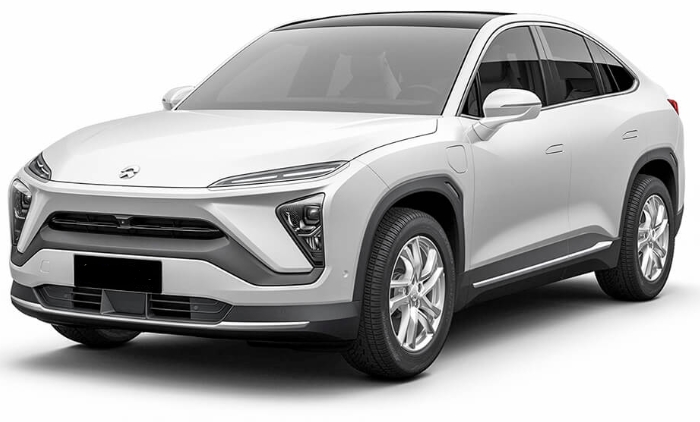
The result was the EC6 (Electric Coupe 6), first introduced in 2019.
.
THIS could come in handy for your auto garage (and everywhere else!):

.
First Generation: NIO EC6 (2019–2023)
Launch and Production
- Unveiled: July 2019
- Production begins: Mid 2019
- First deliveries: Late 2019
- Production years: 2019–2023
- Body style: 5‑door SUV coupe
- Drive: Dual electric motors (all‑wheel drive standard)
The EC6 was built on the same underlying platform as the ES6 — NIO’s first mid‑size SUV — but featured a sleeker roofline and sportier positioning.
Core Specifications (Early Years)
- Power output: Up to ~400 kW (544 hp) combined on higher trims
- Battery options: Initially 70 kWh and 84 kWh packs
- Range: Approximately 425–565 km (264–351 mi, CLTC) depending on battery and drive mode
- 0–60 mph: ~4.5–5.1 seconds depending on configuration
The EC6 offered both strong performance and long driving range — a key differentiator in its segment — and supported NIO’s unique Battery‑as‑a‑Service (BaaS) options, allowing owners to subscribe to battery capacity rather than own the battery outright.
Trim Structure (2019–2021)
Unlike conventional automakers that lean on multiple hardware trim badges, NIO structured the EC6 around configuration features and battery type. Early variations included:
1. Standard Edition
- Standard dual‑motor drive
- Entry‑level battery option (70 kWh)
- Base equipment includes digital cockpit, advanced infotainment, and driver assistance system
2. Extended Range Edition (84 kWh)
- Larger battery for greater range
- Performance and comfort enhancements
- Increased energy capacity
These battery‑based variants could be optionally equipped with packages including advanced autonomous driving features and comfort upgrades. Specific trim titles were often fluid across markets and model year refreshes.
Mid‑Cycle Refinements (2020–2022)
The EC6 received updates in subsequent model years:
- 2020: Software and range improvements, plus expanded driver‑assistance options.
- 2021: Introduction of new battery thermal management and charging speed improvements.
- 2022: Expanded range figures, adaptive suspension options, and expanded software features.
While these refinements did not always carry new trim names, they improved the vehicle’s overall performance, efficiency, and user experience.
Battery Evolution and NIO BaaS
A unique feature of NIO vehicles — including the EC6 — has been the Battery‑as‑a‑Service program. Instead of purchasing a battery outright, owners can subscribe to battery capacity as a service. This lowers initial purchase prices and allows users to swap into larger battery packs over time.
Key options offered with the EC6 included:
- 70 kWh Battery: Standard range, cost‑efficient for daily driving
- 84 kWh Battery: Extended range for longer trips
- 100 kWh Battery (later introduction): Further extended range, unofficially estimated at more than 600 km (370 mi) under CLTC
This flexible approach helped broaden the EC6’s appeal among buyers with diverse range needs.
International Expansion (2021–2023)
By 2021, NIO began exporting the EC6 to select international markets, including parts of Europe such as Norway and Sweden. In these markets, the vehicle competed with other premium coupes and luxury electric SUVs.
With battery swap stations and expanding public charging networks, buyers found the EC6 appealing on both practical and performance fronts.
Introduction of EC7 (2023–2025)
In late 2023, alongside its refreshed SUV lineup, NIO unveiled the EC7, a more advanced and performance‑oriented successor to the EC6. The EC7 represented a generational leap, combining design evolution with enhanced powertrains and updated onboard technology.
- Production years: 2023–2025 (first generation)
- Body style: 5‑door SUV coupe
- Platform: NT 2.0 (NIO’s second‑generation vehicle architecture)
The EC7 retained the sleek coupe aesthetic but introduced stronger performance figures, greater range options, and refined dynamics. It also aligned with NIO’s move toward shared modular platforms across its entire lineup.
EC7 Core Specifications
- Dual electric motors: Improved power and torque delivery
- Battery options:
- 75 kWh Standard
- 100 kWh Extended
- 150 kWh Ultra‑Long Range (via BaaS)
The inclusion of the 150 kWh battery — often accessed through the BaaS program — placed the EC7 among EVs with some of the longest real‑world driving ranges in its class.
Performance Figures (Estimated)
- Power output: ~420–450 kW combined on top configurations
- 0–60 mph: ~3.9–4.3 seconds depending on battery and configuration
- Range: Up to ~600 miles (965 km) CLTC on the largest battery (via swap)
These figures moved the EC7 into more direct competition with high‑end electric SUVs, while retaining a coupe‑like silhouette for buyers seeking both style and substance.
EC7 Trim and Package Options (2023–Present)
Like previous NIO models, the EC7 was configured around battery and technology packages rather than rigid trim badges. Common configurations included:
Battery‑Based Variants
- 75 kWh Standard: Cost‑conscious choice with solid daily range
- 100 kWh Extended: Balanced range and performance
- 150 kWh Ultra‑Long Range: Maximum range via BaaS battery swap
Technology & Comfort Packages
- Advanced Autonomous Driving Package: Adds features like Navigate on Pilot (NOP+) and enhanced cruise modes
- Premium Interior Package: Upgraded seating, ambient lighting, extended materials
- Sport Performance Option: Focuses on dynamic suspension and sport driving modes
These packages could be mixed to tailor the vehicle to daily driving, highway cruising, or performance‑oriented use.
Design and Technology Evolution
Across both generations, design and technology remained core strengths.
Exterior
- Sloping coupe roofline with aerodynamic lines
- Distinctive LED lighting signatures
- Modern wheel designs and sculpted surfaces
Interior
- Digital instrument cluster and infotainment screens
- NIO’s NomI AI assistant for voice interaction
- Minimalist yet premium interior materials
Connectivity
Both models evolved with improved connectivity and over‑the‑air (OTA) updates, allowing NIO to enhance features such as driver assistance and infotainment throughout their lifespans.
Driver Assistance and Autonomous Features
NIO’s focus on smart systems was reflected in both the EC6 and EC7:
- Navigate on Pilot (NOP) — Highway assisted driving feature
- Autopilot and hands‑on driver assist tools
- Enhanced sensor suites including radar, cameras, and ultrasonic sensors
Over the years, these systems received incremental OTA updates, improving safety and autonomy without requiring hardware changes.
Market Reception and Sales Performance
The EC6 quickly became one of NIO’s stronger sellers after its launch, particularly in China and parts of Europe. Its combination of performance, range, and unique features like battery swapping appealed to buyers who wanted the SUV form factor but also long‑distance capability.
The EC7, introduced during a more competitive market phase, continued this trend by offering even stronger performance and longer range, helping NIO retain customers upgrading from earlier models or switching from rival brands.
Future Outlook
While specific production timelines may vary by market and internal strategy, NIO’s future direction for models like the EC7 includes:
Expanded Battery Technologies
- Wider deployment of 150 kWh and future battery formats
- Improved energy density and charging performance
Advanced Autonomous Systems
Continued development of NIO’s driver‑assistance systems toward increased levels of autonomy — pending regulatory and infrastructure support.
Global Expansion
NIO plans to grow its footprint into additional European countries and potentially North America in the long term, supported by charging and battery‑swap infrastructure.
The evolution of the NIO EC6 and its successor, the EC7, illustrates a dynamic journey from NIO’s first sport‑couped SUV to a refined, high‑performance four‑door coupe that competes with established global brands. Through flexible battery options, intelligent driving systems, and progressive design, these vehicles have helped shape the narrative of premium electric mobility.
From the EC6’s debut in 2019 to the EC7’s advanced iterations into the mid‑2020s, both models retain relevance through ongoing software updates, improved range capabilities, and expanding global availability. As NIO continues to innovate and broaden its offerings, the EC6–EC7 lineage remains a strong example of how electric vehicles can balance performance, style, and cutting‑edge technology.