The Evolution of the GWM Wingle Series (Wingle 5, 6, 7 and Beyond): China’s Workhorse Pickup Line
The GWM Wingle Series represents one of the most important chapters in the development of modern Chinese pickup trucks. Produced by Great Wall Motors (GWM), the Wingle lineup has evolved from a basic, utilitarian work truck into a globally exported family of durable pickups. Spanning nearly two decades, the Wingle series—including the Wingle 5, Wingle 6, and Wingle 7—has played a key role in establishing China’s presence in the global light truck market.
This article examines the evolution of the Wingle series, including production timelines, trim levels, key updates, and its future outlook.
Origins of the Wingle Series (2006–2010)
The Wingle series traces its roots back to 2006, when GWM introduced the first modern Wingle pickup as a successor to earlier models like the Great Wall Deer.
Initially marketed under various names globally (including Steed, V200, and V240), the early Wingle models were designed as:
- Affordable utility pickups
- Simple mechanical vehicles
- Durable work trucks for developing markets
These early models laid the groundwork for what would become a multi-variant lineup.
By the late 2000s, GWM had already established itself as a leader in China’s pickup market, with strong export growth.
.

.
Wingle 5 (2010–Present): The Core Workhorse
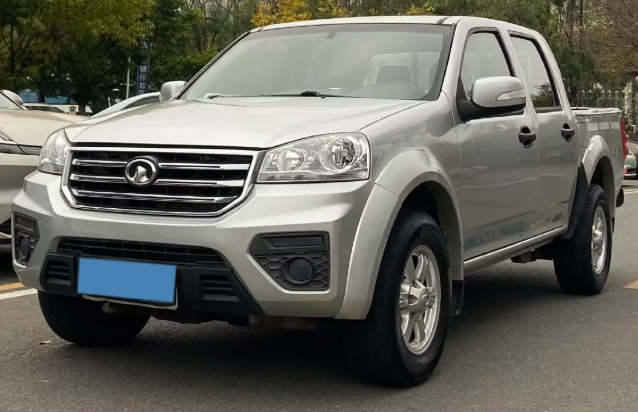
The Wingle 5, introduced around 2010, became the backbone of the lineup and remains in production today in updated forms.
Positioning
The Wingle 5 was designed as:
- An entry-level pickup
- A durable, low-cost work vehicle
- A global export model
Body Styles
- Single cab (2-door, 2-seat)
- Double cab (4-door, 5-seat)
Engines (varied by market)
- 2.2L and 2.4L gasoline engines
- 2.0L and 2.8L diesel engines
Early Trim Levels (2010s)
Trim names varied by region, but commonly included:
- Standard / Base
- Luxury (higher equipment level)
Key Features
- Manual transmissions (5-speed or 6-speed)
- Rear-wheel drive or optional 4WD
- Basic infotainment and comfort features
2013–2015: Wingle 5 Upgrade
GWM introduced a facelift known as the Wingle 5 Upgrade, featuring:
- Revised front-end styling
- Improved interior materials
- Enhanced safety systems
2020s Updates
The Wingle 5 continues in markets such as the Middle East, Africa, and Latin America, with updated versions including:
- Improved diesel engines (~147 hp)
- Available 4WD systems
- Modernized interiors in “Luxury” trims
Despite its age, the Wingle 5 remains popular due to its simplicity and affordability.
Wingle 6 (2014–2021): Moving Upmarket
The Wingle 6, introduced in 2014, represented a significant step forward for the series.
Purpose
The Wingle 6 aimed to:
- Modernize the Wingle lineup
- Introduce more comfort and technology
- Compete with more refined pickups
Key Improvements
- More aerodynamic and modern styling
- Upgraded interior with improved ergonomics
- Enhanced safety and structural rigidity
Engine Options
- 2.0L turbo diesel engine (primary offering)
Trim Levels
While naming varied globally, trims generally included:
- Standard / Workhorse models
- Mid-range trims with added comfort features
- High-spec trims (leather, infotainment upgrades)
Global Expansion
The Wingle 6 was exported to markets such as:
- Australia (introduced in 2017)
- Middle East
- South America
End of Production
Production of the Wingle 6 ended around 2021, as GWM shifted focus to newer models.
Wingle 7 (2018–Present): Modernization and Refinement
The Wingle 7, launched in 2018, marked the most modern and advanced iteration of the Wingle lineup.
Design and Platform
- Larger, more aggressive exterior styling
- Improved chassis and suspension
- Designed to better compete with global midsize pickups
Body Configurations
- Short wheelbase (standard bed)
- Long wheelbase (long bed)
Powertrain
- 2.0L turbo diesel engine
- 6-speed manual transmission
- Available four-wheel drive
Trim Levels
Typical trims (market-dependent):
- Base / Commercial trim
- Mid-range (comfort features added)
- High-end trims (leather, touchscreen, safety tech)
Key Features
- Improved infotainment systems
- Better ride quality compared to earlier models
- Increased towing and payload capability
The Wingle 7 is widely regarded as the most refined traditional Wingle pickup.
Trim Level Overview Across the Wingle Series
Because the Wingle lineup is sold globally, trim levels vary by region. However, a general pattern can be observed:
Common Trim Categories
- Base / Standard
- Basic interior
- Manual windows (in early models)
- Steel wheels
- Mid-Level (Comfort)
- Power accessories
- Air conditioning
- Basic infotainment
- Luxury / Premium
- Leather seats
- Touchscreen infotainment
- Alloy wheels
- Enhanced safety features
In some markets, trims are simply labeled:
- Wingle 5 / Wingle 5 Luxury
- Standard / Deluxe / Super Luxury
This simplified structure reflects the Wingle’s utilitarian focus.
Role in Global Markets
The Wingle series has been particularly successful in:
- Africa
- Middle East
- Southeast Asia
- Latin America
These markets value:
- Durability
- Low purchase cost
- Ease of repair
The Wingle trucks are often used for:
- Construction
- Agriculture
- Fleet and government use
GWM positioned the Wingle as a practical alternative to more expensive pickups like the Toyota Hilux and Ford Ranger.
Transition Toward Newer Models
By the early 2020s, GWM began shifting its pickup strategy toward newer models such as:
- GWM Cannon (also known as Poer)
- Higher-end lifestyle pickups
These newer vehicles offer:
- Automatic transmissions
- Advanced driver assistance systems
- More premium interiors
As a result, the Wingle series is increasingly positioned as:
- An entry-level work truck
- A legacy model for cost-sensitive markets
Strengths of the Wingle Series
1. Durability
The Wingle has built a reputation as a reliable workhorse, particularly in harsh environments.
2. Affordability
One of the most affordable pickup options globally.
3. Simplicity
- Easy to maintain
- Widely available parts
- Proven mechanical components
4. Global Reach
Exported to dozens of countries, making it one of China’s most widely distributed pickups.
Limitations and Criticism
Despite its strengths, the Wingle series has faced criticism:
- Basic safety features in early models
- Limited refinement compared to competitors
- Outdated design (especially Wingle 5)
- Lack of automatic transmission in many markets
These limitations have become more noticeable as global standards evolve.
Future Outlook
The future of the Wingle series reflects broader changes within GWM.
1. Continued Production in Emerging Markets
The Wingle 5 and Wingle 7 are expected to remain in production for:
- Budget-conscious buyers
- Commercial applications
2. Gradual Phase-Out in Developed Markets
Newer models like the GWM Cannon are replacing the Wingle in more advanced markets.
3. Potential Electrification
While no electric Wingle models currently exist, GWM’s broader EV strategy suggests:
- Possible electrified commercial vehicles in the future
4. Legacy Role
The Wingle will likely continue as:
- A foundational product
- A low-cost entry point into the GWM brand
The evolution of the GWM Wingle series—from its origins in 2006 to the modern Wingle 7—illustrates the rapid development of China’s automotive industry. Starting as a simple, utilitarian pickup, the Wingle has grown into a diverse lineup that serves markets around the world.
With models like the Wingle 5, Wingle 6, and Wingle 7, GWM has successfully balanced affordability, durability, and incremental innovation. While newer and more advanced pickups are taking center stage, the Wingle remains an important part of GWM’s identity—continuing to deliver dependable performance where it matters most.
As the global pickup market evolves, the Wingle series stands as a testament to how far Chinese automakers have come—and how they continue to adapt to changing demands.