The History of BYD Auto (BYD, Denza, Fangchengbao, Yangwang)
From Battery Maker to Global Electric Vehicle Powerhouse
Over the past two decades, BYD Company Limited has transformed from a modest battery producer into one of the most influential electric vehicle (EV) manufacturers in the world. Its automotive division, BYD Auto, along with premium and specialty sub-brands such as Denza, Fangchengbao, and Yangwang, represents a vertically integrated approach that sets it apart from nearly every other automaker.
This article traces BYD’s history, leadership, challenges, innovations, and current standing, with a focus on its automotive evolution and global impact.
Founding and Early Years (1995–2002)
BYD was founded in 1995 by Wang Chuanfu in Shenzhen, China. Wang, a trained chemist and metallurgist, graduated from Central South University and later earned a master’s degree in metallurgy. Before founding BYD, he worked as a government researcher specializing in battery technology.
Starting with approximately $300,000 in capital and a team of fewer than 30 employees, Wang built BYD into a major producer of rechargeable nickel-cadmium batteries. The company quickly gained traction by undercutting Japanese competitors on cost while maintaining acceptable quality. By the early 2000s, BYD had become one of the world’s largest battery manufacturers, supplying components to companies like Motorola and Nokia.
Entry into the Automotive Industry (2003–2008)
In 2003, BYD made a pivotal move by acquiring the struggling Chinese automaker Qinchuan Automobile Company (founded in 1987). This acquisition marked the birth of BYD Auto. Unlike many automakers that evolved from mechanical engineering backgrounds, BYD entered the auto industry from a battery and electronics perspective.
The company’s first vehicle, the BYD F3 (launched in 2005), was a compact sedan heavily inspired by the Toyota Corolla. It quickly became a commercial success in China due to its affordability and reliability.
Years in operation:
- BYD Company Limited: 1995–present
- BYD Auto: 2003–present
- Qinchuan Automobile: 1987–2003 (acquired by BYD)
Early Innovation and Global Attention (2008–2015)
BYD gained international attention in 2008 when Warren Buffett’s company, Berkshire Hathaway, purchased a roughly 10% stake in BYD for about $230 million. This endorsement significantly boosted BYD’s credibility in global markets.
In the same year, BYD introduced the F3DM, one of the world’s first mass-produced plug-in hybrid vehicles. This was followed by the BYD e6, a fully electric vehicle targeted at fleet and taxi use.
Key Milestones
- 2008: Launch of F3DM plug-in hybrid
- 2009–2010: Expansion into electric buses and taxis
- 2011: Entry into the U.S. market with electric buses
BYD’s early focus on electrification predated most global automakers, giving it a significant technological head start.
Challenges and Struggles (2010–2019)
Despite early success, BYD faced several difficulties:
1. Quality Perception Issues
In the early 2010s, BYD vehicles were criticized for inconsistent build quality and outdated styling. This limited their appeal outside China.
Resolution:
BYD invested heavily in design and engineering, hiring former Audi designer Wolfgang Egger in 2017 to overhaul its design language.
2. Financial Slowdowns
Between 2011 and 2014, BYD experienced declining profits due to reduced government subsidies and slower-than-expected EV adoption.
Resolution:
The company diversified into electric buses and commercial vehicles, securing contracts in cities worldwide.
3. Technological Skepticism
Early EV infrastructure limitations made consumers hesitant.
Resolution:
BYD focused on vertical integration—producing its own batteries, semiconductors, and motors—to reduce costs and improve reliability.
Expansion of Sub-Brands
Denza (2010–present)
Denza was established in 2010 as a joint venture between BYD and Daimler AG (founded 1926). The goal was to create premium electric vehicles for the Chinese market.
- Initially struggled with weak sales
- BYD gradually took majority control
- Relaunched with models like the Denza D9 luxury MPV
Fangchengbao (2023–present)
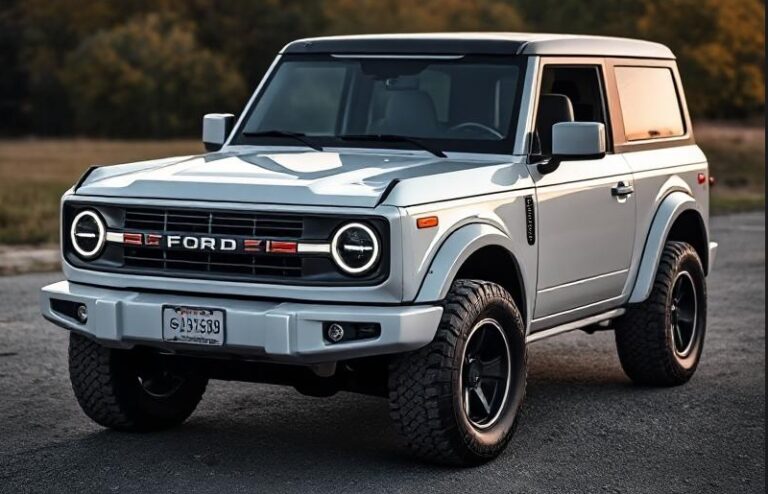
Fangchengbao focuses on rugged SUVs and off-road vehicles, blending electrification with adventure-oriented design.
Yangwang (2023–present)
Yangwang represents BYD’s push into ultra-premium territory. Its first model, the U8 SUV, features advanced capabilities like tank turns and water-floating technology.
Technological Differentiation
BYD’s biggest advantage lies in its vertical integration:
- Designs and manufactures its own batteries (Blade Battery)
- Produces semiconductors and electric motors in-house
- Controls supply chain costs more effectively than competitors
The Blade Battery, introduced in 2020, improved safety and longevity while reducing fire risks—addressing a major concern in EV adoption.
Unlike many major automakers that rely on third-party suppliers, BYD operates more like a technology company, similar in approach to Tesla Inc..
Manufacturing and Factory Operations
BYD operates massive manufacturing facilities across China, including Shenzhen, Xi’an, and Changsha, as well as international plants in the U.S., Europe, and Latin America.
Key features:
- Highly automated assembly lines
- In-house battery production
- Integration of robotics and AI-driven quality control
Its Lancaster, California plant focuses on electric bus production for the North American market.
Racing and Performance Programs
Unlike traditional automakers, BYD has not heavily invested in motorsports. However, it has participated in electric vehicle demonstrations and technology showcases, emphasizing efficiency and innovation rather than racing pedigree.
Marketing and Strategy
BYD’s marketing strategy has focused on:
- Government partnerships: Supplying electric buses and taxis
- Fleet adoption: Prioritizing commercial customers
- Affordability: Offering lower-cost EVs compared to competitors
- Global expansion: Entering Europe, Southeast Asia, and Latin America
Major campaigns often highlight sustainability and energy independence rather than performance.
Consumer Reception
China (Primary Market)
BYD enjoys strong domestic support, driven by:
- Competitive pricing
- Government incentives
- Expanding charging infrastructure
It has become one of the best-selling car brands in China.
United States
BYD’s passenger vehicles are not widely sold in the U.S. due to regulatory and political barriers. However:
- Its electric buses have been adopted in several cities
- Reception is generally positive in commercial sectors
Vehicles: First and Latest Models
- First model: BYD F3 (2005)
- Latest models (2025–2026): Yangwang U8, Denza D9, BYD Seal, BYD Dolphin
Sales Figures
- Global sales (2023): Over 3 million vehicles
- Global sales (2024 est.): Over 3.5 million vehicles
- U.S. sales: Minimal for passenger cars; bus sales in the hundreds annually
Most Popular Models
1. BYD Qin
A plug-in hybrid sedan popular for its efficiency and affordability.
- Strong domestic sales
- Millions of units sold globally
2. BYD Song (SUV series)
One of China’s best-selling SUVs.
- Appeals to families
- Competitive pricing and range
3. BYD Dolphin
A compact hatchback EV designed for urban markets.
- Affordable entry-level EV
- Strong sales in Europe and Asia
(Precise U.S. sales figures remain negligible due to limited availability.)
Major Milestones and Achievements
- First mass-produced plug-in hybrid (2008)
- One of the world’s largest EV manufacturers (2020s)
- Surpassed Tesla in global EV sales volume (2023)
- Leader in electric bus production globally
Mergers, Acquisitions, and Partnerships
- 2003: Acquisition of Qinchuan Automobile (founded 1987)
- 2010: Joint venture with Daimler (Denza)
- No full buyouts by other companies; BYD remains independent
Current Status and Outlook (2026)
BYD is not only still in operation—it is thriving. As of 2026:
- Continues rapid global expansion
- Competing directly with Tesla and traditional automakers
- Investing heavily in battery innovation and international factories
Future Outlook
BYD is expected to:
- Expand into the U.S. passenger vehicle market eventually
- Strengthen its presence in Europe
- Lead advancements in battery safety and affordability
From its beginnings as a small battery manufacturer in 1995 to its current status as a global EV leader, BYD represents one of the most dramatic transformations in modern industrial history. Under the leadership of Wang Chuanfu, the company has navigated technical challenges, market skepticism, and global competition to emerge as a dominant force in electrification.
Its unique combination of vertical integration, aggressive pricing, and technological innovation distinguishes it from traditional automakers. With sub-brands like Denza, Fangchengbao, and Yangwang targeting different market segments, BYD is positioned to remain a major player in the global automotive industry for years to come.