ault 'all'.
* @type string|string[] $type Include comments of a given type, or array of types.
* Accepts 'comment', 'pings' (includes 'pingback' and
* 'trackback'), or any custom type string. Default empty.
* @type string[] $type__in Include comments from a given array of comment types.
* Default empty.
* @type string[] $type__not_in Exclude comments from a given array of comment types.
* Default empty.
* @type int $user_id Include comments for a specific user ID. Default empty.
* @type bool|string $hierarchical Whether to include comment descendants in the results.
* - 'threaded' returns a tree, with each comment's children
* stored in a `children` property on the `WP_Comment` object.
* - 'flat' returns a flat array of found comments plus
* their children.
* - Boolean `false` leaves out descendants.
* The parameter is ignored (forced to `false`) when
* `$fields` is 'ids' or 'counts'. Accepts 'threaded',
* 'flat', or false. Default: false.
* @type string $cache_domain Unique cache key to be produced when this query is stored in
* an object cache. Default is 'core'.
* @type bool $update_comment_meta_cache Whether to prime the metadata cache for found comments.
* Default true.
* @type bool $update_comment_post_cache Whether to prime the cache for comment posts.
* Default false.
* }
*/
public function __construct( $query = '' ) {
$this->query_var_defaults = array(
'author_email' => '',
'author_url' => '',
'author__in' => '',
'author__not_in' => '',
'include_unapproved' => '',
'fields' => '',
'ID' => '',
'comment__in' => '',
'comment__not_in' => '',
'karma' => '',
'number' => '',
'offset' => '',
'no_found_rows' => true,
'orderby' => '',
'order' => 'DESC',
'paged' => 1,
'parent' => '',
'parent__in' => '',
'parent__not_in' => '',
'post_author__in' => '',
'post_author__not_in' => '',
'post_ID' => '',
'post_id' => 0,
'post__in' => '',
'post__not_in' => '',
'post_author' => '',
'post_name' => '',
'post_parent' => '',
'post_status' => '',
'post_type' => '',
'status' => 'all',
'type' => '',
'type__in' => '',
'type__not_in' => '',
'user_id' => '',
'search' => '',
'count' => false,
'meta_key' => '',
'meta_value' => '',
'meta_query' => '',
'date_query' => null, // See WP_Date_Query.
'hierarchical' => false,
'cache_domain' => 'core',
'update_comment_meta_cache' => true,
'update_comment_post_cache' => false,
);
if ( ! empty( $query ) ) {
$this->query( $query );
}
}
/**
* Parse arguments passed to the comment query with default query parameters.
*
* @since 4.2.0 Extracted from WP_Comment_Query::query().
*
* @param string|array $query WP_Comment_Query arguments. See WP_Comment_Query::__construct() for accepted arguments.
*/
public function parse_query( $query = '' ) {
if ( empty( $query ) ) {
$query = $this->query_vars;
}
$this->query_vars = wp_parse_args( $query, $this->query_var_defaults );
/**
* Fires after the comment query vars have been parsed.
*
* @since 4.2.0
*
* @param WP_Comment_Query $query The WP_Comment_Query instance (passed by reference).
*/
do_action_ref_array( 'parse_comment_query', array( &$this ) );
}
/**
* Sets up the WordPress query for retrieving comments.
*
* @since 3.1.0
* @since 4.1.0 Introduced 'comment__in', 'comment__not_in', 'post_author__in',
* 'post_author__not_in', 'author__in', 'author__not_in', 'post__in',
* 'post__not_in', 'include_unapproved', 'type__in', and 'type__not_in'
* arguments to $query_vars.
* @since 4.2.0 Moved parsing to WP_Comment_Query::parse_query().
*
* @param string|array $query Array or URL query string of parameters.
* @return array|int List of comments, or number of comments when 'count' is passed as a query var.
*/
public function query( $query ) {
$this->query_vars = wp_parse_args( $query );
return $this->get_comments();
}
/**
* Get a list of comments matching the query vars.
*
* @since 4.2.0
*
* @global wpdb $wpdb WordPress database abstraction object.
*
* @return int|int[]|WP_Comment[] List of comments or number of found comments if `$count` argument is true.
*/
public function get_comments() {
global $wpdb;
$this->parse_query();
// Parse meta query.
$this->meta_query = new WP_Meta_Query();
$this->meta_query->parse_query_vars( $this->query_vars );
/**
* Fires before comments are retrieved.
*
* @since 3.1.0
*
* @param WP_Comment_Query $query Current instance of WP_Comment_Query (passed by reference).
*/
do_action_ref_array( 'pre_get_comments', array( &$this ) );
// Reparse query vars, in case they were modified in a 'pre_get_comments' callback.
$this->meta_query->parse_query_vars( $this->query_vars );
if ( ! empty( $this->meta_query->queries ) ) {
$this->meta_query_clauses = $this->meta_query->get_sql( 'comment', $wpdb->comments, 'comment_ID', $this );
}
$comment_data = null;
/**
* Filters the comments data before the query takes place.
*
* Return a non-null value to bypass WordPress' default comment queries.
*
* The expected return type from this filter depends on the value passed
* in the request query vars:
* - When `$this->query_vars['count']` is set, the filter should return
* the comment count as an integer.
* - When `'ids' === $this->query_vars['fields']`, the filter should return
* an array of comment IDs.
* - Otherwise the filter should return an array of WP_Comment objects.
*
* Note that if the filter returns an array of comment data, it will be assigned
* to the `comments` property of the current WP_Comment_Query instance.
*
* Filtering functions that require pagination information are encouraged to set
* the `found_comments` and `max_num_pages` properties of the WP_Comment_Query object,
* passed to the filter by reference. If WP_Comment_Query does not perform a database
* query, it will not have enough information to generate these values itself.
*
* @since 5.3.0
* @since 5.6.0 The returned array of comment data is assigned to the `comments` property
* of the current WP_Comment_Query instance.
*
* @param array|int|null $comment_data Return an array of comment data to short-circuit WP's comment query,
* the comment count as an integer if `$this->query_vars['count']` is set,
* or null to allow WP to run its normal queries.
* @param WP_Comment_Query $query The WP_Comment_Query instance, passed by reference.
*/
$comment_data = apply_filters_ref_array( 'comments_pre_query', array( $comment_data, &$this ) );
if ( null !== $comment_data ) {
if ( is_array( $comment_data ) && ! $this->query_vars['count'] ) {
$this->comments = $comment_data;
}
return $comment_data;
}
/*
* Only use the args defined in the query_var_defaults to compute the key,
* but ignore 'fields', 'update_comment_meta_cache', 'update_comment_post_cache' which does not affect query results.
*/
$_args = wp_array_slice_assoc( $this->query_vars, array_keys( $this->query_var_defaults ) );
unset( $_args['fields'], $_args['update_comment_meta_cache'], $_args['update_comment_post_cache'] );
$key = md5( serialize( $_args ) );
$last_changed = wp_cache_get_last_changed( 'comment' );
$cache_key = "get_comments:$key";
$cache_value = wp_cache_get_salted( $cache_key, 'comment-queries', $last_changed );
if ( false === $cache_value ) {
$comment_ids = $this->get_comment_ids();
if ( $comment_ids ) {
$this->set_found_comments();
}
$cache_value = array(
'comment_ids' => $comment_ids,
'found_comments' => $this->found_comments,
);
wp_cache_set_salted( $cache_key, $cache_value, 'comment-queries', $last_changed );
} else {
$comment_ids = $cache_value['comment_ids'];
$this->found_comments = $cache_value['found_comments'];
}
if ( $this->found_comments && $this->query_vars['number'] ) {
$this->max_num_pages = (int) ceil( $this->found_comments / $this->query_vars['number'] );
}
// If querying for a count only, there's nothing more to do.
if ( $this->query_vars['count'] ) {
// $comment_ids is actually a count in this case.
return (int) $comment_ids;
}
$comment_ids = array_map( 'intval', $comment_ids );
if ( $this->query_vars['update_comment_meta_cache'] ) {
wp_lazyload_comment_meta( $comment_ids );
}
if ( 'ids' === $this->query_vars['fields'] ) {
$this->comments = $comment_ids;
return $this->comments;
}
_prime_comment_caches( $comment_ids, false );
// Fetch full comment objects from the primed cache.
$_comments = array();
foreach ( $comment_ids as $comment_id ) {
$_comment = get_comment( $comment_id );
if ( $_comment ) {
$_comments[] = $_comment;
}
}
// Prime comment post caches.
if ( $this->query_vars['update_comment_post_cache'] ) {
$comment_post_ids = array();
foreach ( $_comments as $_comment ) {
$comment_post_ids[] = $_comment->comment_post_ID;
}
_prime_post_caches( $comment_post_ids, false, false );
}
/**
* Filters the comment query results.
*
* @since 3.1.0
*
* @param WP_Comment[] $_comments An array of comments.
* @param WP_Comment_Query $query Current instance of WP_Comment_Query (passed by reference).
*/
$_comments = apply_filters_ref_array( 'the_comments', array( $_comments, &$this ) );
// Convert to WP_Comment instances.
$comments = array_map( 'get_comment', $_comments );
if ( $this->query_vars['hierarchical'] ) {
$comments = $this->fill_descendants( $comments );
}
$this->comments = $comments;
return $this->comments;
}
/**
* Used internally to get a list of comment IDs matching the query vars.
*
* @since 4.4.0
* @since 6.9.0 Excludes the 'note' comment type, unless 'all' or the 'note' types are requested.
*
* @global wpdb $wpdb WordPress database abstraction object.
*
* @return int|array A single count of comment IDs if a count query. An array of comment IDs if a full query.
*/
protected function get_comment_ids() {
global $wpdb;
// Assemble clauses related to 'comment_approved'.
$approved_clauses = array();
// 'status' accepts an array or a comma-separated string.
$status_clauses = array();
$statuses = wp_parse_list( $this->query_vars['status'] );
// Empty 'status' should be interpreted as 'all'.
if ( empty( $statuses ) ) {
$statuses = array( 'all' );
}
// 'any' overrides other statuses.
if ( ! in_array( 'any', $statuses, true ) ) {
foreach ( $statuses as $status ) {
switch ( $status ) {
case 'hold':
$status_clauses[] = "comment_approved = '0'";
break;
case 'approve':
$status_clauses[] = "comment_approved = '1'";
break;
case 'all':
case '':
$status_clauses[] = "( comment_approved = '0' OR comment_approved = '1' )";
break;
default:
$status_clauses[] = $wpdb->prepare( 'comment_approved = %s', $status );
break;
}
}
$approved_clauses[] = '( ' . implode( ' OR ', $status_clauses ) . ' )';
}
// User IDs or emails whose unapproved comments are included, regardless of $status.
if ( ! empty( $this->query_vars['include_unapproved'] ) ) {
$include_unapproved = wp_parse_list( $this->query_vars['include_unapproved'] );
foreach ( $include_unapproved as $unapproved_identifier ) {
// Numeric values are assumed to be user IDs.
if ( is_numeric( $unapproved_identifier ) ) {
$approved_clauses[] = $wpdb->prepare( "( user_id = %d AND comment_approved = '0' )", $unapproved_identifier );
} else {
// Otherwise we match against email addresses.
if ( ! empty( $_GET['unapproved'] ) && ! empty( $_GET['moderation-hash'] ) ) {
// Only include requested comment.
$approved_clauses[] = $wpdb->prepare( "( comment_author_email = %s AND comment_approved = '0' AND {$wpdb->comments}.comment_ID = %d )", $unapproved_identifier, (int) $_GET['unapproved'] );
} else {
// Include all of the author's unapproved comments.
$approved_clauses[] = $wpdb->prepare( "( comment_author_email = %s AND comment_approved = '0' )", $unapproved_identifier );
}
}
}
}
// Collapse comment_approved clauses into a single OR-separated clause.
if ( ! empty( $approved_clauses ) ) {
if ( 1 === count( $approved_clauses ) ) {
$this->sql_clauses['where']['approved'] = $approved_clauses[0];
} else {
$this->sql_clauses['where']['approved'] = '( ' . implode( ' OR ', $approved_clauses ) . ' )';
}
}
$order = ( 'ASC' === strtoupper( $this->query_vars['order'] ) ) ? 'ASC' : 'DESC';
// Disable ORDER BY with 'none', an empty array, or boolean false.
if ( in_array( $this->query_vars['orderby'], array( 'none', array(), false ), true ) ) {
$orderby = '';
} elseif ( ! empty( $this->query_vars['orderby'] ) ) {
$ordersby = is_array( $this->query_vars['orderby'] ) ?
$this->query_vars['orderby'] :
preg_split( '/[,\s]/', $this->query_vars['orderby'] );
$orderby_array = array();
$found_orderby_comment_id = false;
foreach ( $ordersby as $_key => $_value ) {
if ( ! $_value ) {
continue;
}
if ( is_int( $_key ) ) {
$_orderby = $_value;
$_order = $order;
} else {
$_orderby = $_key;
$_order = $_value;
}
if ( ! $found_orderby_comment_id && in_array( $_orderby, array( 'comment_ID', 'comment__in' ), true ) ) {
$found_orderby_comment_id = true;
}
$parsed = $this->parse_orderby( $_orderby );
if ( ! $parsed ) {
continue;
}
if ( 'comment__in' === $_orderby ) {
$orderby_array[] = $parsed;
continue;
}
$orderby_array[] = $parsed . ' ' . $this->parse_order( $_order );
}
// If no valid clauses were found, order by comment_date_gmt.
if ( empty( $orderby_array ) ) {
$orderby_array[] = "$wpdb->comments.comment_date_gmt $order";
}
// To ensure determinate sorting, always include a comment_ID clause.
if ( ! $found_orderby_comment_id ) {
$comment_id_order = '';
// Inherit order from comment_date or comment_date_gmt, if available.
foreach ( $orderby_array as $orderby_clause ) {
if ( preg_match( '/comment_date(?:_gmt)*\ (ASC|DESC)/', $orderby_clause, $match ) ) {
$comment_id_order = $match[1];
break;
}
}
// If no date-related order is available, use the date from the first available clause.
if ( ! $comment_id_order ) {
foreach ( $orderby_array as $orderby_clause ) {
if ( str_contains( 'ASC', $orderby_clause ) ) {
$comment_id_order = 'ASC';
} else {
$comment_id_order = 'DESC';
}
break;
}
}
// Default to DESC.
if ( ! $comment_id_order ) {
$comment_id_order = 'DESC';
}
$orderby_array[] = "$wpdb->comments.comment_ID $comment_id_order";
}
$orderby = implode( ', ', $orderby_array );
} else {
$orderby = "$wpdb->comments.comment_date_gmt $order";
}
$number = absint( $this->query_vars['number'] );
$offset = absint( $this->query_vars['offset'] );
$paged = absint( $this->query_vars['paged'] );
$limits = '';
if ( ! empty( $number ) ) {
if ( $offset ) {
$limits = 'LIMIT ' . $offset . ',' . $number;
} else {
$limits = 'LIMIT ' . ( $number * ( $paged - 1 ) ) . ',' . $number;
}
}
if ( $this->query_vars['count'] ) {
$fields = 'COUNT(*)';
} else {
$fields = "$wpdb->comments.comment_ID";
}
$post_id = absint( $this->query_vars['post_id'] );
if ( ! empty( $post_id ) ) {
$this->sql_clauses['where']['post_id'] = $wpdb->prepare( 'comment_post_ID = %d', $post_id );
}
// Parse comment IDs for an IN clause.
if ( ! empty( $this->query_vars['comment__in'] ) ) {
$this->sql_clauses['where']['comment__in'] = "$wpdb->comments.comment_ID IN ( " . implode( ',', wp_parse_id_list( $this->query_vars['comment__in'] ) ) . ' )';
}
// Parse comment IDs for a NOT IN clause.
if ( ! empty( $this->query_vars['comment__not_in'] ) ) {
$this->sql_clauses['where']['comment__not_in'] = "$wpdb->comments.comment_ID NOT IN ( " . implode( ',', wp_parse_id_list( $this->query_vars['comment__not_in'] ) ) . ' )';
}
// Parse comment parent IDs for an IN clause.
if ( ! empty( $this->query_vars['parent__in'] ) ) {
$this->sql_clauses['where']['parent__in'] = 'comment_parent IN ( ' . implode( ',', wp_parse_id_list( $this->query_vars['parent__in'] ) ) . ' )';
}
// Parse comment parent IDs for a NOT IN clause.
if ( ! empty( $this->query_vars['parent__not_in'] ) ) {
$this->sql_clauses['where']['parent__not_in'] = 'comment_parent NOT IN ( ' . implode( ',', wp_parse_id_list( $this->query_vars['parent__not_in'] ) ) . ' )';
}
// Parse comment post IDs for an IN clause.
if ( ! empty( $this->query_vars['post__in'] ) ) {
$this->sql_clauses['where']['post__in'] = 'comment_post_ID IN ( ' . implode( ',', wp_parse_id_list( $this->query_vars['post__in'] ) ) . ' )';
}
// Parse comment post IDs for a NOT IN clause.
if ( ! empty( $this->query_vars['post__not_in'] ) ) {
$this->sql_clauses['where']['post__not_in'] = 'comment_post_ID NOT IN ( ' . implode( ',', wp_parse_id_list( $this->query_vars['post__not_in'] ) ) . ' )';
}
if ( '' !== $this->query_vars['author_email'] ) {
$this->sql_clauses['where']['author_email'] = $wpdb->prepare( 'comment_author_email = %s', $this->query_vars['author_email'] );
}
if ( '' !== $this->query_vars['author_url'] ) {
$this->sql_clauses['where']['author_url'] = $wpdb->prepare( 'comment_author_url = %s', $this->query_vars['author_url'] );
}
if ( '' !== $this->query_vars['karma'] ) {
$this->sql_clauses['where']['karma'] = $wpdb->prepare( 'comment_karma = %d', $this->query_vars['karma'] );
}
// Filtering by comment_type: 'type', 'type__in', 'type__not_in'.
$raw_types = array(
'IN' => array_merge( (array) $this->query_vars['type'], (array) $this->query_vars['type__in'] ),
'NOT IN' => (array) $this->query_vars['type__not_in'],
);
// Exclude the 'note' comment type, unless 'all' types or the 'note' type explicitly are requested.
if (
! in_array( 'all', $raw_types['IN'], true ) &&
! in_array( 'note', $raw_types['IN'], true ) &&
! in_array( 'note', $raw_types['NOT IN'], true )
) {
$raw_types['NOT IN'][] = 'note';
}
$comment_types = array();
foreach ( $raw_types as $operator => $_raw_types ) {
$_raw_types = array_unique( $_raw_types );
foreach ( $_raw_types as $type ) {
switch ( $type ) {
// An empty translates to 'all', for backward compatibility.
case '':
case 'all':
break;
case 'comment':
case 'comments':
$comment_types[ $operator ][] = "''";
$comment_types[ $operator ][] = "'comment'";
break;
case 'pings':
$comment_types[ $operator ][] = "'pingback'";
$comment_types[ $operator ][] = "'trackback'";
break;
default:
$comment_types[ $operator ][] = $wpdb->prepare( '%s', $type );
break;
}
}
if ( ! empty( $comment_types[ $operator ] ) ) {
$types_sql = implode( ', ', $comment_types[ $operator ] );
$this->sql_clauses['where'][ 'comment_type__' . strtolower( str_replace( ' ', '_', $operator ) ) ] = "comment_type $operator ($types_sql)";
}
}
$parent = $this->query_vars['parent'];
if ( $this->query_vars['hierarchical'] && ! $parent ) {
$parent = 0;
}
if ( '' !== $parent ) {
$this->sql_clauses['where']['parent'] = $wpdb->prepare( 'comment_parent = %d', $parent );
}
if ( is_array( $this->query_vars['user_id'] ) ) {
$this->sql_clauses['where']['user_id'] = 'user_id IN (' . implode( ',', array_map( 'absint', $this->query_vars['user_id'] ) ) . ')';
} elseif ( '' !== $this->query_vars['user_id'] ) {
$this->sql_clauses['where']['user_id'] = $wpdb->prepare( 'user_id = %d', $this->query_vars['user_id'] );
}
// Falsey search strings are ignored.
if ( isset( $this->query_vars['search'] ) && strlen( $this->query_vars['search'] ) ) {
$search_sql = $this->get_search_sql(
$this->query_vars['search'],
array( 'comment_author', 'comment_author_email', 'comment_author_url', 'comment_author_IP', 'comment_content' )
);
// Strip leading 'AND'.
$this->sql_clauses['where']['search'] = preg_replace( '/^\s*AND\s*/', '', $search_sql );
}
// If any post-related query vars are passed, join the posts table.
$join_posts_table = false;
$plucked = wp_array_slice_assoc( $this->query_vars, array( 'post_author', 'post_name', 'post_parent' ) );
$post_fields = array_filter( $plucked );
if ( ! empty( $post_fields ) ) {
$join_posts_table = true;
foreach ( $post_fields as $field_name => $field_value ) {
// $field_value may be an array.
$esses = array_fill( 0, count( (array) $field_value ), '%s' );
// phpcs:ignore WordPress.DB.PreparedSQLPlaceholders.UnfinishedPrepare
$this->sql_clauses['where'][ $field_name ] = $wpdb->prepare( " {$wpdb->posts}.{$field_name} IN (" . implode( ',', $esses ) . ')', $field_value );
}
}
// 'post_status' and 'post_type' are handled separately, due to the specialized behavior of 'any'.
foreach ( array( 'post_status', 'post_type' ) as $field_name ) {
$q_values = array();
if ( ! empty( $this->query_vars[ $field_name ] ) ) {
$q_values = $this->query_vars[ $field_name ];
if ( ! is_array( $q_values ) ) {
$q_values = explode( ',', $q_values );
}
// 'any' will cause the query var to be ignored.
if ( in_array( 'any', $q_values, true ) || empty( $q_values ) ) {
continue;
}
$join_posts_table = true;
$esses = array_fill( 0, count( $q_values ), '%s' );
// phpcs:ignore WordPress.DB.PreparedSQLPlaceholders.UnfinishedPrepare
$this->sql_clauses['where'][ $field_name ] = $wpdb->prepare( " {$wpdb->posts}.{$field_name} IN (" . implode( ',', $esses ) . ')', $q_values );
}
}
// Comment author IDs for an IN clause.
if ( ! empty( $this->query_vars['author__in'] ) ) {
$this->sql_clauses['where']['author__in'] = 'user_id IN ( ' . implode( ',', wp_parse_id_list( $this->query_vars['author__in'] ) ) . ' )';
}
// Comment author IDs for a NOT IN clause.
if ( ! empty( $this->query_vars['author__not_in'] ) ) {
$this->sql_clauses['where']['author__not_in'] = 'user_id NOT IN ( ' . implode( ',', wp_parse_id_list( $this->query_vars['author__not_in'] ) ) . ' )';
}
// Post author IDs for an IN clause.
if ( ! empty( $this->query_vars['post_author__in'] ) ) {
$join_posts_table = true;
$this->sql_clauses['where']['post_author__in'] = 'post_author IN ( ' . implode( ',', wp_parse_id_list( $this->query_vars['post_author__in'] ) ) . ' )';
}
// Post author IDs for a NOT IN clause.
if ( ! empty( $this->query_vars['post_author__not_in'] ) ) {
$join_posts_table = true;
$this->sql_clauses['where']['post_author__not_in'] = 'post_author NOT IN ( ' . implode( ',', wp_parse_id_list( $this->query_vars['post_author__not_in'] ) ) . ' )';
}
$join = '';
$groupby = '';
if ( $join_posts_table ) {
$join .= "JOIN $wpdb->posts ON $wpdb->posts.ID = $wpdb->comments.comment_post_ID";
}
if ( ! empty( $this->meta_query_clauses ) ) {
$join .= $this->meta_query_clauses['join'];
// Strip leading 'AND'.
$this->sql_clauses['where']['meta_query'] = preg_replace( '/^\s*AND\s*/', '', $this->meta_query_clauses['where'] );
if ( ! $this->query_vars['count'] ) {
$groupby = "{$wpdb->comments}.comment_ID";
}
}
if ( ! empty( $this->query_vars['date_query'] ) && is_array( $this->query_vars['date_query'] ) ) {
$this->date_query = new WP_Date_Query( $this->query_vars['date_query'], 'comment_date' );
// Strip leading 'AND'.
$this->sql_clauses['where']['date_query'] = preg_replace( '/^\s*AND\s*/', '', $this->date_query->get_sql() );
}
$where = implode( ' AND ', $this->sql_clauses['where'] );
$pieces = array( 'fields', 'join', 'where', 'orderby', 'limits', 'groupby' );
/**
* Filters the comment query clauses.
*
* @since 3.1.0
*
* @param string[] $clauses {
* Associative array of the clauses for the query.
*
* @type string $fields The SELECT clause of the query.
* @type string $join The JOIN clause of the query.
* @type string $where The WHERE clause of the query.
* @type string $orderby The ORDER BY clause of the query.
* @type string $limits The LIMIT clause of the query.
* @type string $groupby The GROUP BY clause of the query.
* }
* @param WP_Comment_Query $query Current instance of WP_Comment_Query (passed by reference).
*/
$clauses = apply_filters_ref_array( 'comments_clauses', array( compact( $pieces ), &$this ) );
$fields = $clauses['fields'] ?? '';
$join = $clauses['join'] ?? '';
$where = $clauses['where'] ?? '';
$orderby = $clauses['orderby'] ?? '';
$limits = $clauses['limits'] ?? '';
$groupby = $clauses['groupby'] ?? '';
$this->filtered_where_clause = $where;
if ( $where ) {
$where = 'WHERE ' . $where;
}
if ( $groupby ) {
$groupby = 'GROUP BY ' . $groupby;
}
if ( $orderby ) {
$orderby = "ORDER BY $orderby";
}
$found_rows = '';
if ( ! $this->query_vars['no_found_rows'] ) {
$found_rows = 'SQL_CALC_FOUND_ROWS';
}
$this->sql_clauses['select'] = "SELECT $found_rows $fields";
$this->sql_clauses['from'] = "FROM $wpdb->comments $join";
$this->sql_clauses['groupby'] = $groupby;
$this->sql_clauses['orderby'] = $orderby;
$this->sql_clauses['limits'] = $limits;
// Beginning of the string is on a new line to prevent leading whitespace. See https://core.trac.wordpress.org/ticket/56841.
$this->request =
"{$this->sql_clauses['select']}
{$this->sql_clauses['from']}
{$where}
{$this->sql_clauses['groupby']}
{$this->sql_clauses['orderby']}
{$this->sql_clauses['limits']}";
if ( $this->query_vars['count'] ) {
return (int) $wpdb->get_var( $this->request );
} else {
$comment_ids = $wpdb->get_col( $this->request );
return array_map( 'intval', $comment_ids );
}
}
/**
* Populates found_comments and max_num_pages properties for the current
* query if the limit clause was used.
*
* @since 4.6.0
*
* @global wpdb $wpdb WordPress database abstraction object.
*/
private function set_found_comments() {
global $wpdb;
if ( $this->query_vars['number'] && ! $this->query_vars['no_found_rows'] ) {
/**
* Filters the query used to retrieve found comment count.
*
* @since 4.4.0
*
* @param string $found_comments_query SQL query. Default 'SELECT FOUND_ROWS()'.
* @param WP_Comment_Query $comment_query The `WP_Comment_Query` instance.
*/
$found_comments_query = apply_filters( 'found_comments_query', 'SELECT FOUND_ROWS()', $this );
$this->found_comments = (int) $wpdb->get_var( $found_comments_query );
}
}
/**
* Fetch descendants for located comments.
*
* Instead of calling `get_children()` separately on each child comment, we do a single set of queries to fetch
* the descendant trees for all matched top-level comments.
*
* @since 4.4.0
*
* @param WP_Comment[] $comments Array of top-level comments whose descendants should be filled in.
* @return array
*/
protected function fill_descendants( $comments ) {
$levels = array(
0 => wp_list_pluck( $comments, 'comment_ID' ),
);
$key = md5( serialize( wp_array_slice_assoc( $this->query_vars, array_keys( $this->query_var_defaults ) ) ) );
$last_changed = wp_cache_get_last_changed( 'comment' );
// Fetch an entire level of the descendant tree at a time.
$level = 0;
$exclude_keys = array( 'parent', 'parent__in', 'parent__not_in' );
do {
// Parent-child relationships may be cached. Only query for those that are not.
$child_ids = array();
$uncached_parent_ids = array();
$_parent_ids = $levels[ $level ];
if ( $_parent_ids ) {
$cache_keys = array();
foreach ( $_parent_ids as $parent_id ) {
$cache_keys[ $parent_id ] = "get_comment_child_ids:$parent_id:$key";
}
$cache_data = wp_cache_get_multiple_salted( array_values( $cache_keys ), 'comment-queries', $last_changed );
foreach ( $_parent_ids as $parent_id ) {
$parent_child_ids = $cache_data[ $cache_keys[ $parent_id ] ];
if ( false !== $parent_child_ids ) {
$child_ids = array_merge( $child_ids, $parent_child_ids );
} else {
$uncached_parent_ids[] = $parent_id;
}
}
}
if ( $uncached_parent_ids ) {
// Fetch this level of comments.
$parent_query_args = $this->query_vars;
foreach ( $exclude_keys as $exclude_key ) {
$parent_query_args[ $exclude_key ] = '';
}
$parent_query_args['parent__in'] = $uncached_parent_ids;
$parent_query_args['no_found_rows'] = true;
$parent_query_args['hierarchical'] = false;
$parent_query_args['offset'] = 0;
$parent_query_args['number'] = 0;
$level_comments = get_comments( $parent_query_args );
// Cache parent-child relationships.
$parent_map = array_fill_keys( $uncached_parent_ids, array() );
foreach ( $level_comments as $level_comment ) {
$parent_map[ $level_comment->comment_parent ][] = $level_comment->comment_ID;
$child_ids[] = $level_comment->comment_ID;
}
$data = array();
foreach ( $parent_map as $parent_id => $children ) {
$cache_key = "get_comment_child_ids:$parent_id:$key";
$data[ $cache_key ] = $children;
}
wp_cache_set_multiple_salted( $data, 'comment-queries', $last_changed );
}
++$level;
$levels[ $level ] = $child_ids;
} while ( $child_ids );
// Prime comment caches for non-top-level comments.
$descendant_ids = array();
for ( $i = 1, $c = count( $levels ); $i < $c; $i++ ) {
$descendant_ids = array_merge( $descendant_ids, $levels[ $i ] );
}
_prime_comment_caches( $descendant_ids, $this->query_vars['update_comment_meta_cache'] );
// Assemble a flat array of all comments + descendants.
$all_comments = $comments;
foreach ( $descendant_ids as $descendant_id ) {
$all_comments[] = get_comment( $descendant_id );
}
// If a threaded representation was requested, build the tree.
if ( 'threaded' === $this->query_vars['hierarchical'] ) {
$threaded_comments = array();
$ref = array();
foreach ( $all_comments as $k => $c ) {
$_c = get_comment( $c->comment_ID );
// If the comment isn't in the reference array, it goes in the top level of the thread.
if ( ! isset( $ref[ $c->comment_parent ] ) ) {
$threaded_comments[ $_c->comment_ID ] = $_c;
$ref[ $_c->comment_ID ] = $threaded_comments[ $_c->comment_ID ];
// Otherwise, set it as a child of its parent.
} else {
$ref[ $_c->comment_parent ]->add_child( $_c );
$ref[ $_c->comment_ID ] = $ref[ $_c->comment_parent ]->get_child( $_c->comment_ID );
}
}
// Set the 'populated_children' flag, to ensure additional database queries aren't run.
foreach ( $ref as $_ref ) {
$_ref->populated_children( true );
}
$comments = $threaded_comments;
} else {
$comments = $all_comments;
}
return $comments;
}
/**
* Used internally to generate an SQL string for searching across multiple columns.
*
* @since 3.1.0
*
* @global wpdb $wpdb WordPress database abstraction object.
*
* @param string $search Search string.
* @param string[] $columns Array of columns to search.
* @return string Search SQL.
*/
protected function get_search_sql( $search, $columns ) {
global $wpdb;
$like = '%' . $wpdb->esc_like( $search ) . '%';
$searches = array();
foreach ( $columns as $column ) {
$searches[] = $wpdb->prepare( "$column LIKE %s", $like );
}
return ' AND (' . implode( ' OR ', $searches ) . ')';
}
/**
* Parse and sanitize 'orderby' keys passed to the comment query.
*
* @since 4.2.0
*
* @global wpdb $wpdb WordPress database abstraction object.
*
* @param string $orderby Alias for the field to order by.
* @return string|false Value to used in the ORDER clause. False otherwise.
*/
protected function parse_orderby( $orderby ) {
global $wpdb;
$allowed_keys = array(
'comment_agent',
'comment_approved',
'comment_author',
'comment_author_email',
'comment_author_IP',
'comment_author_url',
'comment_content',
'comment_date',
'comment_date_gmt',
'comment_ID',
'comment_karma',
'comment_parent',
'comment_post_ID',
'comment_type',
'user_id',
);
if ( ! empty( $this->query_vars['meta_key'] ) ) {
$allowed_keys[] = $this->query_vars['meta_key'];
$allowed_keys[] = 'meta_value';
$allowed_keys[] = 'meta_value_num';
}
$meta_query_clauses = $this->meta_query->get_clauses();
if ( $meta_query_clauses ) {
$allowed_keys = array_merge( $allowed_keys, array_keys( $meta_query_clauses ) );
}
$parsed = false;
if ( $this->query_vars['meta_key'] === $orderby || 'meta_value' === $orderby ) {
$parsed = "$wpdb->commentmeta.meta_value";
} elseif ( 'meta_value_num' === $orderby ) {
$parsed = "$wpdb->commentmeta.meta_value+0";
} elseif ( 'comment__in' === $orderby ) {
$comment__in = implode( ',', array_map( 'absint', $this->query_vars['comment__in'] ) );
$parsed = "FIELD( {$wpdb->comments}.comment_ID, $comment__in )";
} elseif ( in_array( $orderby, $allowed_keys, true ) ) {
if ( isset( $meta_query_clauses[ $orderby ] ) ) {
$meta_clause = $meta_query_clauses[ $orderby ];
$parsed = sprintf( 'CAST(%s.meta_value AS %s)', esc_sql( $meta_clause['alias'] ), esc_sql( $meta_clause['cast'] ) );
} else {
$parsed = "$wpdb->comments.$orderby";
}
}
return $parsed;
}
/**
* Parse an 'order' query variable and cast it to ASC or DESC as necessary.
*
* @since 4.2.0
*
* @param string $order The 'order' query variable.
* @return string The sanitized 'order' query variable.
*/
protected function parse_order( $order ) {
if ( ! is_string( $order ) || empty( $order ) ) {
return 'DESC';
}
if ( 'ASC' === strtoupper( $order ) ) {
return 'ASC';
} else {
return 'DESC';
}
}
}
BYD Archives - Car Origins
Skip to content
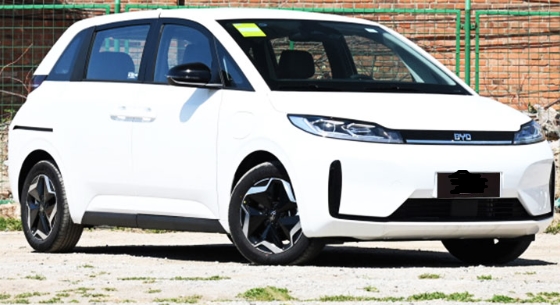
In recent years, the automotive industry has witnessed a surge in purpose-built electric vehicles designed for shared mobility, and the BYD D1 stands out as a pioneering example. Developed by BYD, one of Chinaโs leading electric vehicle manufacturers, the D1 is designed specifically for ride-hailing and urban mobility, representing a shift in automotive thinking from…

The Denza B5 and B8 represent a bold new direction for Denza, the premium automotive brand owned by BYD. Introduced in 2025, these two plug-in hybrid SUVs mark Denzaโs expansion beyond traditional luxury vehicles into the high-end off-road segment. Unlike earlier Denza models developed primarily for China, the B5 and B8 were created as global-facing…
The Denza Z9 GT represents one of the most ambitious vehicles to emerge from Chinaโs rapidly evolving premium electric vehicle sector. Developed under BYDโs luxury sub-brand Denza, the Z9 GT combines cutting-edge electrification, high-performance engineering, and European-inspired design into a single flagship model. Introduced in 2024 and continuing in production today, the Z9 GT has…
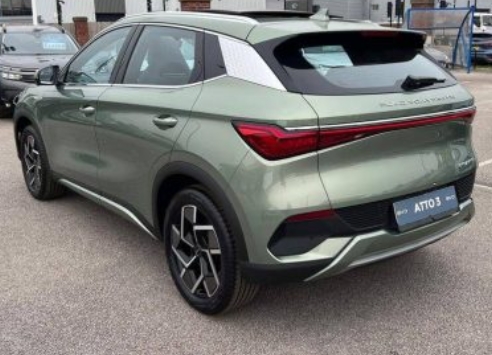
The BYD Atto 3 has rapidly become one of the most important electric vehicles in the global automotive market. Since its debut in 2022, the Atto 3โknown as the BYD Yuan Plus in Chinaโhas played a central role in expanding BYDโs international presence, offering a balance of affordability, technology, and practicality. This article explores the…
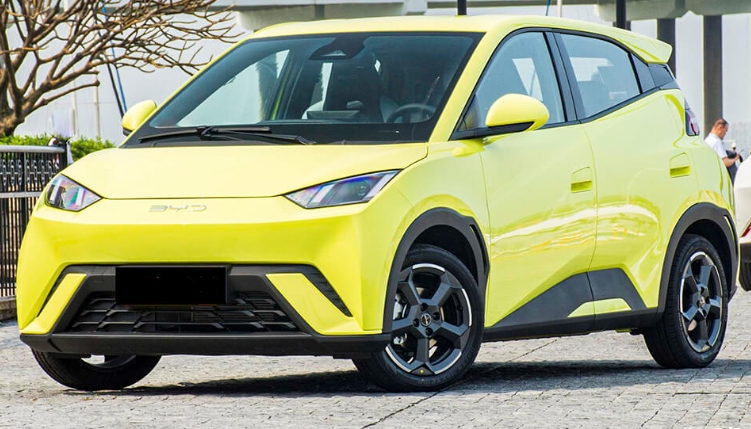
The rapid rise of affordable electric vehicles has reshaped the global automotive industry, and few models embody this transformation better than the BYD Dolphin and its smaller sibling, the BYD Seagull (also known globally as the Dolphin Mini or Dolphin Surf). Since 2021, these vehicles have evolved into some of the most influential compact EVs…
The BYD Han represents one of the most significant milestones in the rise of modern Chinese electric and hybrid vehicles. Introduced as a flagship sedan by BYD Auto, the Han has evolved rapidly since its debut, reflecting advancements in battery technology, performance engineering, and intelligent driving systems. Since 2020, the model has undergone multiple updates,…
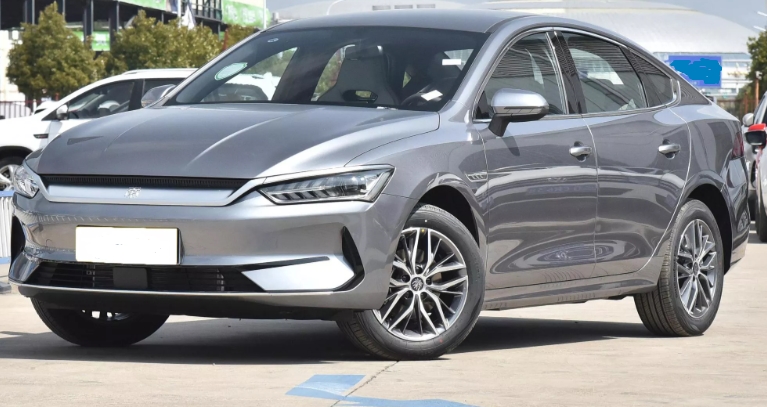
The BYD Qin Plus is one of the most important vehicles in the modern history of BYD Auto, representing the companyโs transition from early plug-in hybrids to high-volume, affordable electrified sedans. Introduced in 2021 as a successor to the Qin Pro, the Qin Plus quickly became a cornerstone of BYDโs lineup, offering both plug-in hybrid…
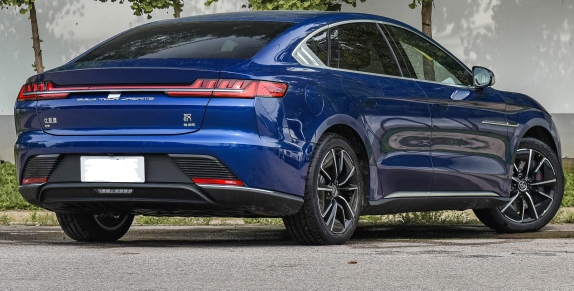
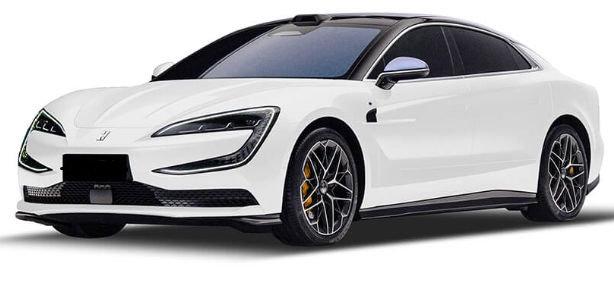
The BYD Auto Seal is one of the most important electric vehicles (EVs) to emerge from Chinaโs rapidly advancing automotive industry. Introduced in 2022, the Seal has quickly evolved into a globally competitive mid-size electric sedan, combining performance, advanced battery technology, and modern design. As a key member of BYDโs Ocean Series, the Seal represents…
The BYD Auto Sealion 7 represents one of the newest and most technologically advanced entries in the rapidly expanding electric SUV market. Introduced in the mid-2020s as part of BYDโs Ocean Series lineup, the Sealion 7 reflects the companyโs shift toward high-performance, premium electric vehicles aimed at global markets. Although still early in its lifecycle,…
The BYD Song Plus is one of the most important vehicles in BYD Autoโs rapid rise as a global leader in electrified mobility. Introduced in 2020 as a more premium and larger alternative within the Song family, the Song Plus has evolved from a conventional gasoline-powered SUV into a fully electrified lineup dominated by plug-in…
The BYD Auto Tang is one of the most significant vehicles in the modern evolution of electrified SUVs. Introduced as part of BYDโs โDynastyโ lineup, the Tang has transformed from a niche plug-in hybrid into a globally exported, technologically advanced mid-size SUV offered in hybrid and fully electric forms. Since its launch in 2015, the…
The Yangwang U7 represents a major step forward in the evolution of ultra-luxury electric sedans. Developed by BYD under its premium Yangwang division, the U7 combines extreme performance, cutting-edge chassis technology, and advanced electrification. Introduced in the mid-2020s, it quickly became one of the most powerful and technologically ambitious sedans in the world. This article…
The Yangwang U8 and its extended counterpart, the U8L, represent a bold entry into the global ultra-luxury SUV market. Developed by BYD under its high-end Yangwang division, the U8 lineup blends advanced electrification, extreme off-road capability, and cutting-edge technology. From its debut in 2023 to the introduction of the U8L in 2025, the vehicle has…
The Yangwang U9 Xtreme represents one of the most dramatic leaps in modern automotive engineeringโa vehicle that not only redefined electric performance but also challenged the long-standing dominance of internal combustion hypercars. Developed by BYD under its luxury Yangwang sub-brand, the U9 family evolved rapidly from a cutting-edge concept into a record-breaking production machine. This…
From Battery Maker to Global Electric Vehicle Powerhouse Over the past two decades, BYD Company Limited has transformed from a modest battery producer into one of the most influential electric vehicle (EV) manufacturers in the world. Its automotive division, BYD Auto, along with premium and specialty sub-brands such as Denza, Fangchengbao, and Yangwang, represents a…
Scroll to top
Scroll to top