The Riich G6: Chery’s Ambitious Full-Size Sedan and the Rise of a Short-Lived Premium Flagship
The Riich G6 represents one of the most ambitious attempts by Chery Automobile to enter the premium sedan segment during the early 2010s. Developed under Chery’s now-defunct Riich division, the G6 was designed to compete with established mid-size and full-size sedans from international manufacturers.
Produced for a relatively brief period, the Riich G6 nonetheless serves as an important case study in the evolution of Chinese automotive design, engineering ambition, and brand strategy. This article examines the full lifecycle of the Riich G6, including its production years, trim levels, engineering development, and long-term legacy.
Origins of the Riich Brand and G6 Development (2009–2010)
The Riich G6 emerged during a transformative period for Chery. In 2009, the company launched the Riich brand as part of a broader effort to move upmarket and shed its image as a budget-focused automaker.
Riich was intended to serve as a premium division, similar in concept to brands like Lexus or Infiniti, offering higher-quality vehicles with improved design and technology.
Within this strategy, the G6 was conceived as:
- The flagship sedan of the Riich lineup
- A showcase for Chery’s engineering capabilities
- A model aimed at competing in the executive sedan segment
The G6 followed earlier Riich models such as the G5, but it was positioned as a more advanced and upscale offering.
.

.
Introduction and Production Timeline
The Riich G6 officially entered production in 2010, with sales continuing until 2013.
- Years produced: 2010–2013
- Assembly location: Wuhu, Anhui, China
- Vehicle class: Full-size sedan (executive class)
- Body style: Four-door sedan
The model was internally designated as B12 and was sold primarily in the Chinese domestic market, with limited international exposure.
Design and Styling Evolution
Italian Design Influence
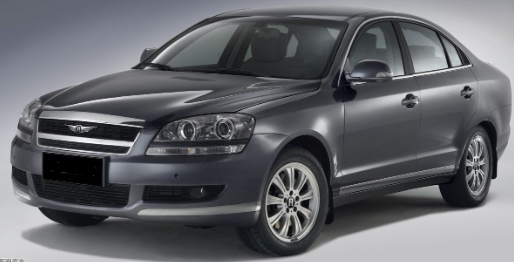
One of the most notable aspects of the Riich G6 was its design, developed in collaboration with the Italian design house Bertone.
The exterior design was led by Giuliano Biasio, emphasizing:
- A conservative and refined aesthetic
- A wide front grille with chrome accents
- Smooth, balanced proportions
This European influence was intended to give the G6 a more global appeal and elevate its perceived quality.
Dimensions and Presence
The G6 was a large vehicle by any standard:
- Length: ~195.6 inches (4968 mm)
- Wheelbase: ~111 inches (2820 mm)
- Width: ~72.6 inches (1845 mm)
These dimensions placed it firmly in the full-size sedan category, comparable to executive cars from established global brands.
Interior Design and Features
Inside, the G6 aimed to deliver a premium experience:
- Spacious cabin with executive-level rear legroom
- High-quality materials compared to earlier Chery models
- Advanced infotainment and comfort features for its time
While not matching the refinement of established luxury brands, the interior represented a significant step forward for Chery.
Powertrain and Engineering Development
The Riich G6 was offered with two primary engine options, reflecting its positioning as a higher-end vehicle.
1. 2.0-Liter Turbocharged Inline-4
- Output: Approximately 168 horsepower (125 kW)
- Torque: ~235 Nm
- Turbocharged for improved performance
This engine served as the core powertrain for most G6 models.
2. 3.0-Liter V6 Engine
- Larger displacement for increased power
- Positioned as the premium option
This engine helped the G6 compete more directly with higher-end sedans.
Transmission
- 5-speed automatic transmission (standard)
The focus was on smooth, comfortable driving rather than sporty performance.
Drivetrain Layout
- Front-engine, front-wheel drive
This layout was typical for sedans in its class, prioritizing interior space and efficiency.
Models and Trim Levels (2010–2013)
Unlike many modern vehicles, the Riich G6 featured a relatively straightforward trim structure, with differentiation primarily based on engine type and equipment level.
Core Trim Structure
Although exact trim names varied by market, the G6 lineup can be broadly categorized into three main tiers:
1. Base / Standard Trim (2.0T)
- 2.0-liter turbocharged engine
- Essential comfort and safety features
- Cloth or basic upholstery
- Entry-level infotainment system
This trim targeted buyers seeking an affordable entry into the executive sedan segment.
2. Mid-Level / Comfort Trim
- Enhanced interior materials
- Additional convenience features
- Improved infotainment and audio systems
- Optional upgrades such as leather seating
This version balanced cost and comfort, making it the most popular configuration.
3. Premium / Flagship Trim (V6)
- 3.0-liter V6 engine
- Premium interior finishes
- Advanced technology and safety features
- Executive-level comfort
This trim represented the top of the Riich lineup, showcasing the brand’s full capabilities.
Special Variant: G6 Paramount Limousine (2011)
One of the most unique developments in the G6’s evolution was the introduction of a limousine variant.
- Debuted at the 2011 Shanghai Auto Show
- Extended length of approximately 283 inches (7.2 meters)
- Seating for up to seven passengers
The G6 Paramount limousine was designed as a luxury showcase vehicle, highlighting Chery’s ambitions in the premium market.
Market Position and Competition
The Riich G6 was positioned to compete with:
- Mid-size and full-size sedans from Japanese and European brands
- Domestic Chinese executive vehicles
Strengths
- Competitive pricing compared to international rivals
- Large size and spacious interior
- European-influenced design
Weaknesses
- Limited brand recognition
- Perceived quality gap compared to established luxury brands
- Restricted global availability
Challenges and Decline
Despite its ambitious design and positioning, the Riich G6 faced several challenges:
Brand Identity Issues
The Riich brand struggled to establish itself as a credible premium alternative, particularly against well-known global competitors.
Market Competition
The executive sedan segment was highly competitive, with strong offerings from both domestic and international manufacturers.
Limited Differentiation
While well-designed, the G6 did not offer enough unique features to stand out significantly in its segment.
Discontinuation of the Riich Brand (2013)
By 2012, Chery began to phase out the Riich brand due to poor sales performance and limited market acceptance.
- April 2013: Official discontinuation of Riich
- End of production for all Riich models, including the G6
This marked the end of the G6’s production lifecycle.
Evolution Summary
The evolution of the Riich G6 can be summarized as follows:
2010 (Launch Year)
- Introduction of the G6 as Riich’s flagship sedan
- Availability of 2.0T and V6 engines
- Multiple trim levels introduced
2011
- Expansion of lineup
- Introduction of the G6 Paramount limousine
2012–2013
- Decline in sales
- Discontinuation of the Riich brand
- End of G6 production
Legacy and Influence
Although short-lived, the Riich G6 had a lasting impact on Chery’s development:
Advancement in Design
The collaboration with Bertone helped improve Chery’s design capabilities and global appeal.
Platform and Engineering Experience
The G6 demonstrated Chery’s ability to develop larger, more complex vehicles.
Lessons in Branding
The failure of the Riich brand provided valuable insights that influenced Chery’s later, more successful global strategies.
Future Outlook and Historical Significance
While the Riich G6 itself has no direct successor, its influence can be seen in modern Chery vehicles:
- Improved build quality and design
- Stronger brand positioning in international markets
- Expansion into higher-end segments
The G6 also reflects broader trends in the automotive industry:
- The rise of Chinese automakers in global markets
- Increasing collaboration with international design firms
- The evolution of domestic brands toward premium positioning
The Riich G6 represents an ambitious but ultimately short-lived chapter in the history of Chery Automobile. Produced from 2010 to 2013, it was designed to elevate the company’s image and compete in the executive sedan segment.
Key aspects of its evolution include:
- A single-generation lifecycle with no major redesigns
- A range of trims centered around 2.0T and V6 powertrains
- A unique limousine variant showcasing premium aspirations
- A short production run, ending with the discontinuation of the Riich brand
Although it did not achieve lasting success, the Riich G6 played a crucial role in shaping the future direction of Chery. Today, it stands as a symbol of early ambition and experimentation—an important stepping stone in the rise of China’s automotive industry.