The Evolution of the Foton View G9 CS2: China’s Modern Commercial Van for Passenger and Cargo Transport
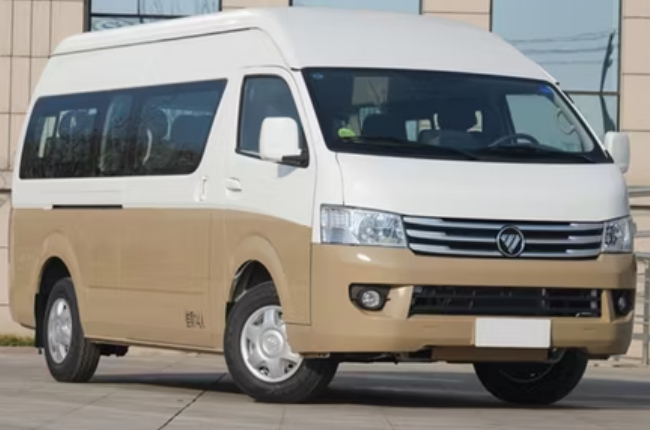
The Foton View G9 CS2 became one of the most recognizable commercial vans produced by the Chinese automaker Foton Motor during the 2010s and 2020s. Designed as a versatile people mover and cargo van, the G9 CS2 combined practicality, affordability, and multiple body configurations for businesses, public transportation operators, and fleet customers. Over time, the vehicle evolved into a globally exported commercial platform sold across Asia, Africa, the Middle East, and parts of South America.
Although often overshadowed by larger global commercial van manufacturers such as Toyota, Ford, and Mercedes-Benz, the Foton View G9 CS2 established itself as a durable and cost-effective alternative in emerging markets. Its long production life, wide variety of trims, and constant mechanical improvements helped the model remain competitive for more than a decade.
Origins of the Foton View Series
The Foton View family traces its origins back to 2000, when Chinese manufacturer Foton launched the original Foton View commercial van lineup. Early versions were heavily inspired by the Toyota HiAce H100 platform and targeted buyers seeking affordable commercial transportation. Over the following years, the View series expanded into multiple generations and configurations, including passenger vans, minibuses, ambulances, and cargo transport vehicles.
By 2014, Foton introduced the third-generation View platform, which included the View G7 and the larger View G9. The G9 served as the higher-capacity, longer-wheelbase version designed for heavier-duty passenger and commercial applications.
The “CS2” designation later became associated with updated wide-body versions of the G9 platform marketed in various export markets.
.

.
Production Years
The Foton View G9 and View CS2 platform entered production in:
- 2014
Production continued through:
- present day in several global markets
The platform has remained in continuous production due to strong demand for affordable commercial vans in developing regions.
Development of the G9 and CS2 Platform
The View G9 was originally introduced as a premium extension of the Foton View lineup. It evolved from the earlier Foton MP-X S, which debuted in 2014 before being renamed the View G9 around 2016.
Unlike earlier compact View vans, the G9 emphasized:
- larger dimensions,
- higher roof configurations,
- greater passenger capacity,
- improved comfort,
- and more advanced diesel powertrains.
The CS2 version eventually became one of the most exported configurations due to its wide-body design and ability to support numerous commercial uses.
Foton marketed the vehicle globally for:
- airport transportation,
- employee shuttle services,
- tourism transportation,
- cargo logistics,
- school transport,
- ambulance conversion,
- and family transportation.
Exterior Design Evolution
The View G9 CS2 adopted styling heavily influenced by the Toyota HiAce H200 generation, though Foton gradually revised the design to establish a more independent appearance. Online automotive communities frequently compared the CS2 to Toyota’s commercial van lineup because of the vehicle’s similar shape and proportions.
The front fascia evolved over time with:
- redesigned headlights,
- revised grilles,
- integrated fog lamps,
- and updated bumper designs.
Higher trims added:
- body-colored bumpers,
- alloy wheels,
- parking sensors,
- and chrome detailing.
The high-roof body became one of the vehicle’s defining characteristics, maximizing interior cargo and passenger space.
Dimensions
Depending on wheelbase and roof configuration, dimensions varied slightly across markets.
Common View G9 CS2 measurements included:
- Length: approximately 212–229 inches
- Width: approximately 75.5 inches
- Height: approximately 89–90 inches
- Wheelbase: 122.4 inches on long-wheelbase models
Engines and Powertrains
Throughout production, the View G9 CS2 was offered with numerous gasoline and diesel engine options depending on market regulations and intended use.
Gasoline Engines
Available gasoline engines included:
- 2.0-liter inline-four
- 2.2-liter inline-four
- 2.4-liter inline-four
The 2.4-liter gasoline engine became one of the most common configurations in export passenger vans, producing approximately 130 horsepower.
Diesel Engines
Diesel powertrains became especially important for commercial applications.
Available diesel engines included:
- 2.0-liter diesel
- 2.5-liter turbo-diesel
- 2.8-liter turbo-diesel
- Cummins-derived diesel engines
- AUCAN turbo-diesel engines
One widely exported diesel engine was a 2.0-liter four-cylinder turbo-diesel producing:
- 135 horsepower,
- and 330 Nm of torque.
Later versions added:
- Euro IV and Euro V emissions compliance,
- lower noise levels,
- improved cooling systems,
- and enhanced fuel efficiency.
Transmission Options
Most early models used:
- 5-speed manual transmissions
Later G9 variants introduced:
- 6-speed manual transmissions
- 6-speed automatic transmissions beginning around 2024 in some markets
Rear-wheel drive remained standard across most configurations, though certain specialized variants were reportedly available with four-wheel-drive capability.
Trim Levels and Body Configurations
One of the reasons for the View G9 CS2’s long lifespan was its enormous variety of trims and body styles.
Early 2014–2016 Models
Initial G9 trims included:
- Standard Roof Passenger Van
- High Roof Passenger Van
- Cargo Panel Van
- Business Van
- Tourist Shuttle
- Ambulance Conversion
Passenger capacity ranged from:
- 9 seats
- to 19 seats depending on wheelbase and roof configuration.
View CS2 Export Variants
As exports increased, the “CS2” branding became widely used for upgraded wide-body versions.
Common export trims included:
- Royal Saloon
- Supporter
- Transor
- Window Van
- Panel Van
Royal Saloon
The Royal Saloon trim targeted executive and family transportation markets.
Features often included:
- upgraded interior upholstery,
- enhanced air conditioning,
- luxury seating layouts,
- power accessories,
- MP5 multimedia systems,
- and additional sound insulation.
Supporter
The Supporter trim focused on mass passenger transportation.
Configurations included:
- 12-seat,
- 15-seat,
- 17-seat,
- and 19-seat layouts.
This trim became popular for:
- worker transportation,
- school shuttles,
- and tour operations.
Transor
The Transor variant was optimized for freight transportation.
Key features included:
- larger cargo capacity,
- reduced passenger seating,
- reinforced rear suspension,
- and easier cargo loading.
Window Van and Panel Van
Additional body styles included:
- Window Van passenger versions,
- and Panel Van commercial cargo variants.
These models became common among logistics operators and small businesses across export markets.
Interior Improvements Over Time
Early View vans were known for simple, highly functional interiors. As competition increased, Foton gradually improved cabin refinement and technology.
Features added throughout production included:
- touchscreen infotainment systems,
- Bluetooth connectivity,
- reversing cameras,
- parking sensors,
- dual air conditioning systems,
- USB charging ports,
- power windows,
- adjustable steering wheels,
- and improved seating ergonomics.
Higher-end trims added:
- alloy wheels,
- leather-style seating,
- rear entertainment systems,
- and upgraded climate control systems.
The cabin remained highly configurable, allowing operators to adapt seating and cargo arrangements to specific commercial needs.
Safety and Driver Assistance
As regulations tightened in global export markets, Foton gradually introduced improved safety technology.
Safety equipment added over time included:
- dual airbags,
- ABS braking systems,
- electronic brake-force distribution,
- lane departure warning,
- autonomous emergency braking,
- parking sensors,
- and reversing cameras.
Foton promoted the View CS2 as a safer alternative to many lower-cost commercial vans sold in emerging markets.
Global Export Success
Unlike many Chinese domestic-only vehicles, the View G9 CS2 achieved considerable export success.
The van was sold in:
- Egypt,
- the Philippines,
- Thailand,
- Iraq,
- South Africa,
- various African countries,
- and parts of Latin America.
In the Philippines, versions of the vehicle were marketed as:
- the View TransVan,
- and View Traveller.
The vehicle became especially popular with:
- tourism companies,
- airport shuttle operators,
- logistics businesses,
- and government transportation fleets.
Its affordability compared to Japanese and European vans made it highly attractive in developing markets.
Reliability and Market Perception
The View G9 CS2 earned a mixed but generally improving reputation over time.
Owners often praised:
- low purchase cost,
- large passenger capacity,
- inexpensive maintenance,
- and mechanical simplicity.
Online discussions frequently described the van as a budget-friendly alternative to Toyota’s HiAce lineup. Some enthusiasts criticized the vehicle’s early styling similarities to Toyota products, while others acknowledged that Foton gradually improved quality and engineering standards over time.
Recent owner discussions involving Foton commercial vehicles have highlighted improved parts availability and growing fleet acceptance in several markets.
Future Outlook
The future of the Foton View G9 CS2 appears relatively stable compared to many smaller commercial vehicle programs. Foton continues investing in commercial transportation and export markets, where demand for affordable vans remains strong.
Future developments may include:
- expanded automatic transmission availability,
- cleaner diesel engines,
- hybrid or electric commercial variants,
- improved driver assistance systems,
- and upgraded infotainment technology.
As global commercial vehicle regulations evolve, Foton will likely continue modernizing the platform while maintaining its core strengths:
- affordability,
- durability,
- passenger capacity,
- and flexible commercial utility.
Although the View G9 CS2 may never achieve the global recognition of the Toyota HiAce or Ford Transit, it has secured an important role in international commercial transportation markets. The van represents the rapid rise of Chinese commercial vehicle manufacturers and their growing influence across developing regions worldwide.