Evolution of The Sunbeam Imp: A Compact British Icon
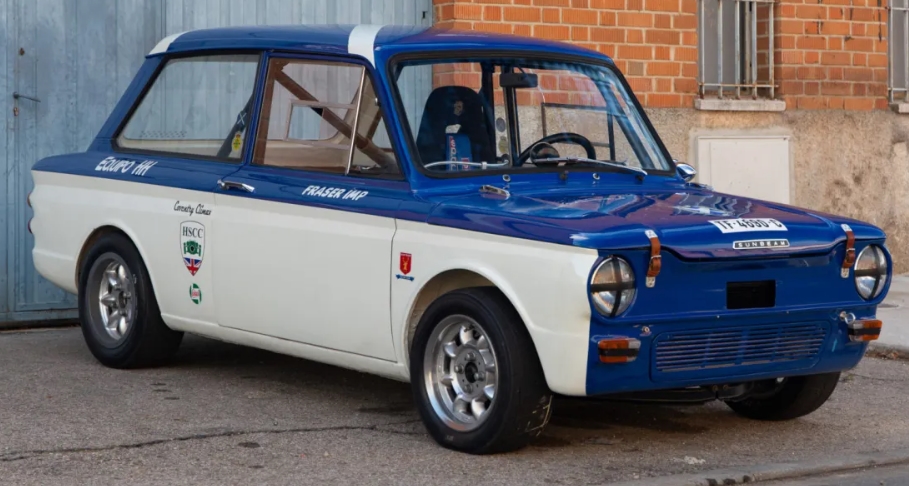
The Sunbeam Imp is one of the most distinctive small cars to emerge from Britain in the 1960s and 1970s. Known for its rear-mounted engine, innovative engineering, and charming design, the Imp stood out in a market dominated by front-engined competitors such as the Mini. Produced between 1963 and 1976, the Sunbeam Imp and its various derivatives represented the Rootes Group’s ambitious attempt to enter the growing small car segment — a move that was both bold and fraught with challenges.
This article explores the history, technical details, models, trim levels, production years, and legacy of the Sunbeam Imp, as well as its place in automotive history and its future outlook as a classic car.
Origins and Development
In the late 1950s, the Rootes Group, a major British automaker, recognized the rising popularity of small, economical cars. The success of the Morris Mini-Minor (later known simply as the Mini) highlighted a shift in consumer tastes toward compact vehicles that were easy to drive, fuel-efficient, and affordable.
Rootes decided to design its own small car to compete in this segment. The project began in earnest in 1955, and engineers opted for a rear-engined layout to maximize interior space — a decision inspired in part by European designs such as the Volkswagen Beetle. The car’s engine was based on a lightweight all-aluminum unit originally developed for the Coventry Climax fire pump, a high-revving, compact powerplant that could be adapted for road use.
To modernize production and break free from constraints at Rootes’ existing factories, a new assembly plant was built in Linwood, Scotland. This decision was influenced by government incentives designed to bring industry to economically depressed regions. It would prove to be a double-edged sword: while it allowed for new manufacturing capabilities, the location presented logistical difficulties in sourcing components from suppliers based in southern England.
.

.
Launch and Production Years
The Sunbeam Imp was officially launched in May 1963. It was initially marketed under the Sunbeam brand, although many variants bore different names — including Hillman, Singer, and Commer — to appeal to different market segments. Throughout its production run from 1963 to 1976, the Imp underwent several updates, facelifts, and trim changes, but its fundamental design remained consistent: a small two-door saloon with a rear-mounted engine driving the rear wheels.
Technical Specifications
The Imp was powered by an 875 cc four-cylinder overhead camshaft engine, producing around 39 horsepower in standard form. Its lightweight aluminum construction gave the car sprightly performance for its size, and the rear engine layout provided good traction. The Imp featured a four-speed manual gearbox, fully independent suspension, and rack-and-pinion steering — advanced features for the time in a small car.
One of the Imp’s most notable innovations was its opening rear window (on most models), which allowed access to the luggage compartment above the engine. The design also facilitated cooling and maintenance.
Models and Trim Levels
Over its 13-year production run, the Imp was offered in numerous versions and trim levels. The Rootes Group used multiple brand names to market essentially the same car with slight cosmetic and equipment variations. Below is a breakdown of the main models and trims.
Sunbeam Imp (1963–1970)
The original Sunbeam-badged Imp was aimed at buyers seeking a slightly more upmarket small car. It featured more chrome trim and higher-quality interior materials compared to the basic Hillman Imp. Early models had a distinctive badge and grille design.
Hillman Imp (1963–1976)
The Hillman Imp was the core, mainstream version and the most widely sold. It was positioned as an affordable, practical runabout. Over the years, several sub-variants appeared:
- Imp De Luxe – A slightly better-equipped version with improved interior trim, heater, and more exterior brightwork.
- Imp Super – Introduced in the mid-1960s, offering additional comfort features, better upholstery, and revised styling.
- Imp basic – The entry-level model with minimal trim, aimed at budget-conscious buyers.
Singer Chamois (1964–1970)
The Singer Chamois was the luxury variant. It had distinctive badging, a unique grille, higher-grade interior upholstery, and additional equipment as standard. Available in both saloon and coupe forms in later years.
Commer Imp Van (1965–1970)
A commercial version of the Imp, marketed under the Commer brand. It featured a van body with the rear seats removed to provide cargo space, making it ideal for small businesses.
Hillman Imp Californian (1967–1970)
A sporty fastback coupe version with a more aerodynamic roofline. The Californian had a distinctive appearance and was aimed at younger buyers seeking style as well as economy.
Sunbeam Imp Sport / Hillman Imp Sport (1966–1976)
The Sport variants featured a tuned version of the 875 cc engine producing higher output (around 51 horsepower), twin carburetors, and sportier trim. They were aimed at driving enthusiasts and also served as the basis for successful rally versions.
Special Editions
Over time, Rootes (and later Chrysler, after acquiring control of the company in 1967) introduced various special editions such as the Imp GT, Stiletto (a sporty coupe with luxury trim), and Imp 50 (commemorating production milestones). The Sunbeam Stiletto in particular combined coupe styling with the Sport engine and plush fittings.
Facelifts and Changes
The Imp underwent several changes during its lifespan:
- 1965 – Introduction of the van and estate versions.
- 1967 – Californian coupe introduced; minor mechanical improvements.
- 1968–1969 – Facelifts to improve reliability, including better carburetion and cooling.
- 1970s – Trim rationalization under Chrysler’s management; branding shifted, with some models phased out.
Reception and Reliability
The Imp was praised for its handling, comfortable ride, and lively engine. However, early production models suffered from reliability issues, largely due to teething problems at the new Linwood plant and the complexity of the aluminum engine. Over time, many of these issues were addressed, but the Imp never fully shook off its reputation for being temperamental.
Sales were respectable but never reached the levels of the Mini, partly due to limited dealer networks and the logistical challenges of production. Nonetheless, the Imp developed a loyal following, especially among motorsport enthusiasts. Its light weight and responsive handling made it competitive in rallying and hill climbs.
End of Production
The final Imps rolled off the line in March 1976. By this time, small car markets were shifting toward more conventional front-engined, front-wheel-drive designs, and Chrysler (which had taken over Rootes) was focusing its resources on other models. In total, approximately 440,000 Imps and derivatives were produced.
Legacy
Today, the Sunbeam Imp is celebrated as a quirky and innovative classic. Enthusiast clubs in the UK and abroad maintain and restore surviving examples, and the car enjoys a strong presence at classic car shows. Motorsport versions remain competitive in historic rally events.
Its design reflected a transitional era in British car manufacturing: the willingness to experiment with engineering solutions, coupled with the challenges of economic and industrial policy. The Imp’s rear-engined layout and aluminum OHC engine were remarkable for a small car of its time.
Future Outlook
As a classic car, the Sunbeam Imp’s future is tied to the preservation efforts of enthusiasts and the availability of parts. While production numbers were not as high as some rivals, the Imp’s mechanical simplicity (once understood) and the existence of dedicated clubs make restoration feasible. Values for well-maintained Imps have been rising steadily, particularly for rare variants such as the Stiletto, Californian, and Sport models.
Interest in 1960s and 1970s British cars remains strong, and the Imp’s motorsport pedigree adds to its appeal. For collectors seeking an alternative to the ubiquitous Mini, the Imp offers individuality, historical significance, and a rewarding driving experience.
Conclusion
The Sunbeam Imp may not have achieved the runaway commercial success its creators hoped for, but it left a lasting mark on Britain’s automotive landscape. Produced from 1963 to 1976 in a remarkable variety of trims and body styles — from basic saloons to sporty coupes and commercial vans — the Imp combined innovative engineering with distinctive styling. Today, it stands as a testament to a bold era of British car design, and its continued presence on roads and rally stages ensures that the legacy of the Imp will endure for years to come.
Key Facts Summary:
- Production years: 1963–1976
- Manufacturer: Rootes Group (later Chrysler UK)
- Assembly plant: Linwood, Scotland
- Layout: Rear-engine, rear-wheel drive
- Engine: 875 cc aluminum OHC inline-four (various states of tune)
- Variants: Hillman Imp, Sunbeam Imp, Singer Chamois, Commer Imp Van, Hillman Californian, Imp Sport, Sunbeam Stiletto, Imp GT, and special editions.
- Production total: Approx. 440,000 units