Evolution of The Tata Winger: A Comprehensive Overview
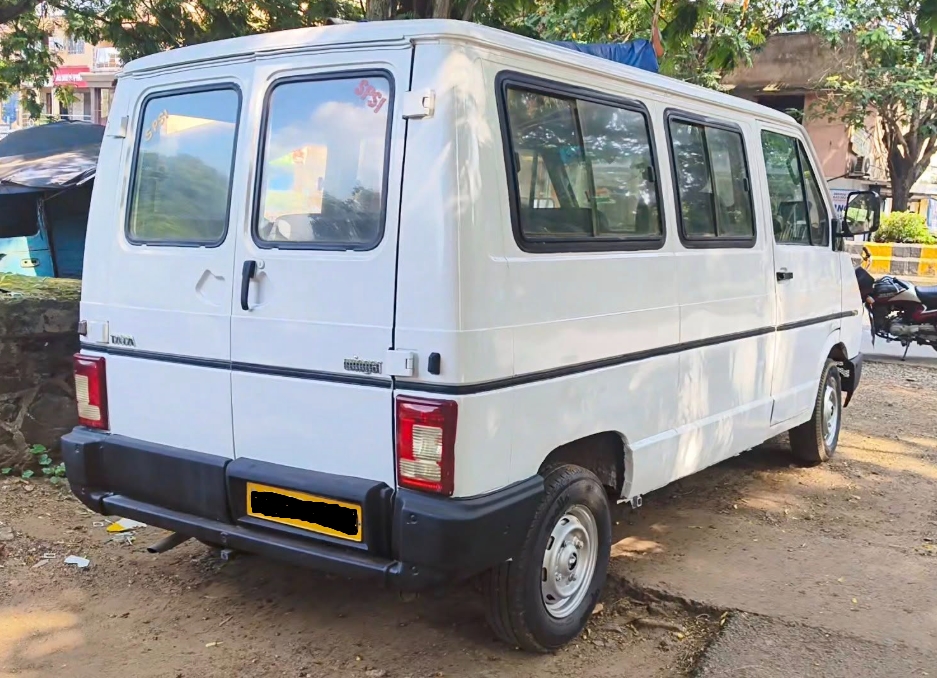
The Tata Winger is a versatile light commercial vehicle (LCV) and passenger van produced by Tata Motors, India’s largest commercial vehicle manufacturer. Since its introduction to the Indian market in 2007, the Winger has evolved into a multi-purpose platform catering to diverse needs — from school transportation and staff shuttles to ambulances and tour vans. Known for its balance between passenger comfort and commercial practicality, the Winger occupies a unique niche in the Indian automotive segment.
Background and Origins
Tata Motors has a long history in commercial vehicle manufacturing, with products ranging from compact last-mile delivery vans to massive heavy-duty trucks. In the mid-2000s, the company identified a demand for a larger, more comfortable passenger van that could bridge the gap between small MPVs and full-size buses.
The Tata Winger was launched in 2007, based on the platform and body design of the Renault Trafic (first-generation, phased out in Europe), adapted and localized for Indian conditions. Tata Motors licensed the design and incorporated its own drivetrains, chassis reinforcements, and features tailored to the Indian market.
.

.
Production Timeline
- 2007 – Introduction: Tata Winger debuts in India as a 9–13 seater passenger van, using a 2.0-litre turbo-diesel engine (originally from the Tata Safari).
- 2009–2012 – Variants Expansion: Introduction of more seating layouts, including ambulance configurations and school bus variants.
- 2015 – Facelift: Minor design updates and improved interiors, along with BS-IV compliant diesel engines.
- 2020 – Second Generation Launch: Tata Motors unveils the all-new Winger BS6, built on a revised platform with upgraded styling, improved NVH (Noise, Vibration, Harshness) levels, better safety features, and a new 2.2-litre diesel engine.
- 2023 – Ongoing Updates: Tata continues to refine the Winger series, with special focus on fleet operators, tourism applications, and healthcare mobility.
Design and Engineering
From inception, the Winger was designed as a monocoque-bodied van rather than a ladder-frame chassis, giving it a car-like ride quality. This was unusual in the Indian LCV segment, where most vans and minibuses used truck-based platforms. The Winger’s monocoque construction made it lighter, more fuel-efficient, and more comfortable.
Dimensions (varies by model)
- Length: Approx. 4.5–5.5 metres
- Width: Around 1.9 metres
- Height: 2.5–2.65 metres
- Wheelbase options: Short and long wheelbase versions available
- Seating capacity: 9 to 20 passengers depending on variant
Chassis & Suspension
- Front: Independent suspension with coil springs (for better comfort)
- Rear: Parabolic leaf springs for durability and load handling
Engine and Transmission
The Tata Winger has been offered with various diesel engine options over its lifespan:
- 2.0-litre Turbo Diesel (2007–2020)
- Derived from the Tata Safari’s engine
- Power output: ~90 hp
- Torque: ~190 Nm
- Transmission: 5-speed manual
- Known for reliability and ease of maintenance
- 2.2-litre Dicor Diesel (BS6, 2020–present)
- Updated to meet BS6 emission norms
- Power output: ~100 hp
- Torque: 200–320 Nm depending on tune
- Transmission: 5-speed manual
- Improved refinement and reduced emissions
The BS6 Winger is also tuned for better low-end torque, vital for stop-go city driving and hill climbs common in rural and hilly tourist destinations.
Models and Trim Levels
Over time, Tata has offered the Winger in multiple trims and body configurations, each targeting a specific use case. Below is a breakdown of the major variants:
1. Tata Winger Standard
- Entry-level variant for basic passenger transportation
- Available in 9, 12, and 13-seater layouts
- Functional interior with minimal frills
- Target market: small fleet operators, rural passenger transport
2. Tata Winger Deluxe
- Mid-tier variant with improved interiors and comfort features
- Available in multiple seating layouts (9/12/13-seater)
- Better upholstery, improved NVH insulation
- Air-conditioning available as an option or standard
3. Tata Winger Luxury / Tourist
- Premium passenger variant aimed at tourism operators
- Reclining high-back seats, individual armrests
- Air-conditioning as standard across rows
- Enhanced exterior styling with body-coloured bumpers
- Often used by hotels, travel agencies, and corporate shuttle services
4. Tata Winger Ambulance
- Specially designed for healthcare services
- Available in Patient Transport Ambulance (PTA) and Advanced Life Support (ALS) configurations
- Complies with AIS-125 Part 1 norms in India
- Equipped with medical cabinets, oxygen supply systems, and space for stretchers
5. Tata Winger School Bus
- Compliant with school bus safety regulations
- Seating capacities from 12 to 20 children
- Bright yellow paint, safety rails, anti-skid flooring
- Targeted at educational institutions
6. Tata Winger Cargo (Limited Market)
- Van with rear cargo bay instead of passenger seating
- Targeted at light goods transport for urban deliveries
- Not as common as passenger variants
Market Position and Competitors
The Tata Winger competes in a segment that includes vehicles like:
- Force Traveller (primary competitor, larger capacity)
- Mahindra Supro Minivan (smaller, lower capacity)
- Maruti Suzuki Eeco (budget segment, smaller size)
While the Force Traveller dominates the higher-capacity segment (17–26 seats), the Winger positions itself as a more compact, comfortable, and fuel-efficient alternative for medium-sized groups. This makes it especially popular with hotels, tour operators in hilly areas, and corporate shuttle services.
Advantages of the Tata Winger
- Ride Comfort – Monocoque chassis and independent front suspension offer a smoother ride compared to ladder-frame rivals.
- Fuel Efficiency – Lighter body construction leads to better mileage, a key factor for fleet operators.
- Versatility – Wide range of seating and configuration options.
- Compact Dimensions – Easier to manoeuvre in urban traffic than larger minibuses.
- After-Sales Support – Tata’s extensive service network across India aids fleet uptime.
Challenges in the Market
While the Winger has carved a niche, it faces certain limitations:
- Brand Perception – Many operators still prefer the Force Traveller for sheer size and ruggedness.
- Price Sensitivity – The more premium variants can be costly compared to budget vans.
- Limited Export Presence – Unlike some Tata commercial vehicles, the Winger’s presence outside India is modest.
The Second Generation (2020–Present)
The BS6-compliant Winger launched in 2020 represented a significant step forward:
- New Front Fascia: Modern grille, swept-back headlights, and improved aerodynamics.
- Improved Cabin: Better insulation, upgraded dashboard, and ergonomic seating.
- Safety Upgrades: Driver airbag, ABS with EBD, rear parking sensors, and improved braking systems.
- Multiple Wheelbases: Catering to both short-haul urban routes and longer intercity services.
The second generation also saw Tata Motors pushing the Winger more aggressively into the ambulance segment, especially during the COVID-19 pandemic, when demand for medical transport vehicles surged.
Sales and Market Impact
Exact sales figures are not publicly disclosed for individual Tata models, but industry estimates suggest:
- Strong adoption in Tier-2 and Tier-3 cities where road conditions and narrow streets make compact vans preferable over large buses.
- Stable demand from institutional buyers — schools, hospitals, and corporate shuttle services.
- Increased interest from tourism operators post-2022 as travel resumed after COVID-19 restrictions.
Future Outlook for the Tata Winger
The future of the Winger will be shaped by several factors:
1. Emissions and Electrification
With India moving towards stricter emission norms (BS7 in the coming years) and promoting electric mobility, Tata Motors may explore an electric Winger variant. Given Tata’s work in electric passenger cars (e.g., Nexon EV) and buses, this is a realistic possibility.
2. Market Expansion
There is potential to market the Winger in other developing countries across Asia and Africa, where mid-sized, comfortable vans are in demand, and road conditions resemble those in India.
3. Safety Standards
Stricter safety norms may lead to the inclusion of more advanced driver assistance features, stronger body structures, and improved crash performance.
4. Customisation
Tata may continue to expand factory-built special application Wingers — including mobile medical units, mobile offices, and camper vans — in line with growing niche transport demands.
Conclusion
The Tata Winger has established itself as a practical, adaptable, and comfortable mobility solution in India’s light commercial vehicle segment. Introduced in 2007 and evolving through multiple variants — from basic people movers to premium tourist vans and ambulances — it has demonstrated Tata Motors’ ability to cater to varied transport needs.
The 2020 second-generation model reinforced the Winger’s position with improved comfort, design, and compliance with modern emission and safety norms. While competition from established rivals like the Force Traveller remains strong, the Winger’s unique combination of car-like ride quality and commercial practicality ensures it retains a loyal customer base.
Looking ahead, the push towards greener mobility, increased safety requirements, and potential international expansion could define the next chapter of the Tata Winger’s journey. Whether as a dependable school bus in a small town, a tourist shuttle in the Himalayas, or an ambulance in a bustling city, the Winger’s versatility will likely keep it relevant for years to come.