Evolution of The Toyota Passo: A Compact Masterpiece of Japanese Innovation
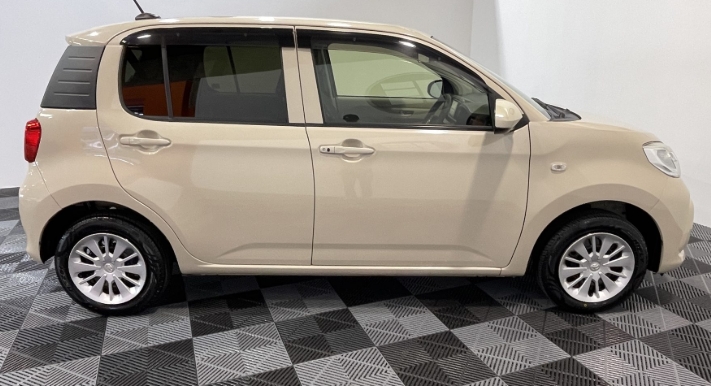
Since its debut in 2002, the Toyota Passo has been a standout example of Japan’s kei car ingenuity. Designed for urban mobility, the Passo combined frugality, practicality, and charm in a compact package, making it a favorite among city dwellers. In this article, we delve into the history, evolution, and legacy of the Toyota Passo, exploring its production years, models, trim levels, and its enduring impact on the kei car segment.
A Brief History of the Toyota Passo
The Toyota Passo (pronounced Pah-so) made its debut in March 2002 as a successor to the Toyota Ist, a small MPV introduced in 1998. Toyota’s decision to create a kei car variant allowed the brand to compete with rivals like the Suzuki Cappuccino, Honda N-Box, and Daihatsu MiTi. The name “Passo” derives from the Italian word for “step,” symbolizing the car’s role as an accessible, everyday vehicle for the average consumer.
The Passo was built to adhere to Japan’s kei car regulations, which mandate vehicles under 3.4 meters in length, 1.48 meters in width, and no more than 660cc in engine displacement. These restrictions not only make kei cars tax-friendly (lower taxes, insurance, and fuel costs) but also ensure they are ideal for navigating Tokyo’s crowded streets and tight parking spaces.
Toyota positioned the Passo as a family-oriented vehicle, offering a surprising amount of space despite its small footprint. Over its production span, the Passo evolved through three generations, each refining its blend of efficiency, technology, and comfort.
.

.
Production Years and Key Generations
The Passo was produced for over 13 years, with three major generations marking its evolution:
- First Generation (2002–2007):
- Launched in March 2002, the initial model featured a choice of two engines: the 0.5L 3NR-DE naturally aspirated petrol engine (43 horsepower) and a 0.66L 3NR-VE high-output petrol engine (67 horsepower).
- It offered two body styles: a hatchback (Passo) and a van-like model (Passo Shara). The Shara variant, later renamed the Toyota Shara, shared the same platform but prioritized cargo space.
- Second Generation (2007–2013):
- Introduced in March 2007, the second generation brought a sleeker design, improved fuel efficiency, and more luxurious trims. The 0.66L engine remained, while the 0.5L option was discontinued in later years.
- New technology was added, including optional navigation systems, Smart Key, and a multimedia interface.
- Third Generation (2013–2015):
- The third generation, unveiled in May 2013, marked a departure from the Passo name. The model was rebranded as the Toyota E’chaval, though it retained the Passo’s kei car DNA.
- This phase included safety upgrades like LED headlights, multiple airbags, and the second-generation Toyota Safety Sense (TSS) system.
Production ended in August 2015, with the E’chaval being replaced by the Toyota C-HR in some markets, while the kei car segment saw the introduction of the Toyota Aqua (a hybrid version of the Aygo).
Models and Trim Levels
The Toyota Passo was offered in a variety of trims and configurations, each tailored to different needs and budgets. A closer look at its lineage reveals the diversity of its lineup:
1. Base Models
- Passo (Hatchback): The entry-level variant focused on affordability, featuring basic amenities like manual windows, AM/FM radio, and a folding rear bench.
- Passo Shara (Van): A cargo-oriented model with a flat load floor and tailgate, ideal for small businesses or families needing extra space.
2. Mid-Range Trims
- Passo Trevis: The mid-tier trim introduced convenience features such as power steering, air conditioning, and power windows. Optional ABS and dual airbags were available.
- Passo Mica: Emphasizing style, Mica trims came with alloy wheels, cloth upholstery with patterned accents, and a CD player. It appealed to buyers seeking a touch of flair.
3. Top Trims
- Passo Z (2007–2013): The highest trim in the second generation, the Z combined comfort and technology with features like heated mirrors, a premium audio system, and keyless entry.
4. Special Editions
- Passo Happy: A customizable model for young buyers, allowing personalized stickers, color combinations, and accessories.
- Passo Lady: Designed with women in mind, this edition included ergonomic adjustments, a softer interior, and safety-focused features like blind-spot detection.
The final E’chaval model (2013–2015) expanded on these trims, adding dual-tone exteriors and more advanced infotainment systems.
Design and Engineering: Space Efficiency and Performance
The Passo’s genius lay in its ability to maximize space within kei car constraints. Its hatchback design offered a surprisingly roomy cabin, with rear seats that folded into the floor to create 650 liters of cargo space (comparable to midsize sedans). The Shara van variant increased cargo capacity to 1,000 liters without sacrificing ride quality.
Engines:
- 3NR-DE (0.5L/43 HP): The base engine offered excellent fuel efficiency (up to 28 km/l) for low-mileage users.
- 3NR-VE (0.66L/67 HP): The mainstay powertrain, with CVT transmission for smooth acceleration and improved economy.
Transmission: Most models featured a continuously variable transmission (CVT), though manual options were briefly available in the first generation.
Safety: While not a focus of kei cars, the Passo evolved with safety tech. Later models included SRS airbags (front, side, and curtain), ABS with EBD, and Toyota’s Vehicle Stability Control (VSC) system. The E’chaval added lane departure warning and adaptive cruise control.
Market Reception and Legacy
The Toyota Passo was a commercial success in Japan, capturing a significant portion of the kei car segment. Its blend of affordability and practicality made it a top choice for young professionals and urban families. From 2002 to 2015, Toyota sold over 600,000 units, testament to its popularity.
Critics praised the Passo for its clever design and fuel efficiency, though some noted trade-offs, such as limited low-speed power and a firm ride from the kei car suspension. Despite these minor drawbacks, the Passo carved a niche as a dependable and versatile city car.
The Future of the Toyota Passo
The Passo’s discontinuation in 2015 signaled a shift in Toyota’s strategy. While kei cars remain popular in Japan, the segment has moved toward electrification and smaller crossovers. The E’chaval’s successor, the C-HR, reflects this trend by targeting global markets with its sporty styling and hybrid options.
In the kei car segment, Toyota has since launched the C-HR EV and Corolla Cross derivatives, aiming to balance efficiency with modern tech. The Passo’s legacy, however, lives on in Toyota’s continued focus on urban mobility. Its innovative approach to space and cost-effectiveness inspired future models and reinforced the kei car’s relevance in a changing world.
The Toyota Passo is more than a kei car—it’s a symbol of Japanese engineering wisdom. By packing versatility, efficiency, and charm into a compact form, the Passo redefined what a small car could be. Though it no longer rolls off Toyota’s production lines, its spirit endures in the brand’s quest for practical innovation. For those who remember the Passo as their first car or a trusted companion, it remains a beloved icon of the kei car era.
As cities grow and environmental concerns mount, the lessons of the Passo—about maximizing resources and creating value—will continue to shape the automotive landscape for years to come.