Evolution of The Toyota Rush
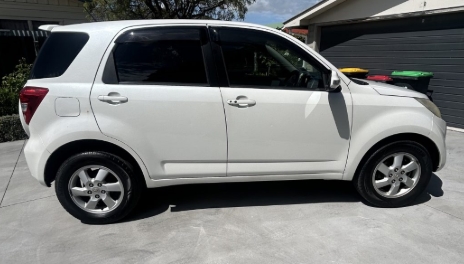
The Toyota Rush is a compact SUV produced by the Japanese automaker Toyota, primarily for the Asian market. The vehicle has been in production since 2006, with several models and trim levels offered over the years. In this article, we will delve into the history of the Toyota Rush, its various models and trim levels, and explore its future outlook.
History of the Toyota Rush
The Toyota Rush was first introduced in 2006 as a compact SUV designed for the Indonesian market. The vehicle was created to cater to the growing demand for SUVs in the region, which was driven by the need for vehicles that could handle rough roads and provide ample space for passengers and cargo. The first-generation Rush was based on the Toyota Avanza platform and featured a 1.5-liter inline-four cylinder engine, producing 109 horsepower.
Over the years, the Toyota Rush has undergone several updates and facelifts, with the most significant change being the introduction of the second-generation model in 2017. The new Rush was designed to be more modern and feature-packed, with a focus on comfort, safety, and convenience. The vehicle is now sold in several countries across Asia, including Indonesia, Malaysia, the Philippines, and Vietnam.
.
NO MORE dead batteries with this:

.
Models and Trim Levels
The Toyota Rush is available in several models and trim levels, which vary depending on the market. Here are some of the most common models and trim levels offered:
- G: The base model of the Toyota Rush, which comes with a 1.5-liter inline-four cylinder engine, producing 109 horsepower. The G trim level features a manual transmission, fabric seats, and basic amenities such as air conditioning and a radio.
- G AT: This trim level is similar to the G model but comes with an automatic transmission.
- TRD Sportivo: This is a sportier version of the Toyota Rush, which features a more aggressive exterior design, including a front spoiler, side skirts, and a rear spoiler. The TRD Sportivo trim level also comes with a more premium interior, featuring leather seats and a touchscreen infotainment system.
- S: This is the mid-range trim level of the Toyota Rush, which comes with a 1.5-liter inline-four cylinder engine, producing 109 horsepower. The S trim level features an automatic transmission, fabric seats, and additional amenities such as a rearview camera and a more advanced infotainment system.
- S AT: This trim level is similar to the S model but comes with an automatic transmission and additional features such as cruise control and a more premium interior.
- E: This is the top-of-the-line trim level of the Toyota Rush, which comes with a 1.5-liter inline-four cylinder engine, producing 109 horsepower. The E trim level features an automatic transmission, leather seats, and a range of advanced safety features, including seven airbags, electronic stability control, and a blind spot monitoring system.
Years Produced
The Toyota Rush has been in production since 2006, with several updates and facelifts over the years. Here are the production years for each generation of the Toyota Rush:
- First Generation (2006-2017): The first-generation Toyota Rush was produced from 2006 to 2017, with several updates and facelifts during its production run.
- Second Generation (2017-present): The second-generation Toyota Rush was introduced in 2017 and is still in production today. The vehicle has undergone several updates and facelifts since its introduction, including the addition of new trim levels and features.
Future Outlook
The Toyota Rush is expected to continue to be a popular choice in the Asian market, particularly in Indonesia and Malaysia, where it is produced. The vehicle’s compact size, fuel efficiency, and affordability make it an attractive option for consumers who are looking for a reliable and practical SUV.
In terms of future plans, Toyota has announced that it will continue to update and refine the Rush, with a focus on improving its safety features, comfort, and convenience. The company has also hinted at the possibility of introducing a hybrid version of the Rush, which would provide even better fuel efficiency and lower emissions.
Safety Features
The Toyota Rush comes with a range of safety features, including:
- Seven airbags: The Rush features seven airbags, including driver and passenger airbags, side airbags, and curtain airbags.
- Electronic stability control: The vehicle comes with electronic stability control, which helps to prevent skidding and loss of control.
- Blind spot monitoring system: The Rush features a blind spot monitoring system, which alerts the driver to vehicles in the blind spot.
- Rearview camera: The vehicle comes with a rearview camera, which provides a clear view of the area behind the vehicle.
- Anti-lock braking system: The Rush features an anti-lock braking system, which helps to prevent wheel lockup during hard braking.
Interior and Exterior
The Toyota Rush features a modern and spacious interior, with a range of amenities and features. The vehicle’s exterior design is also sleek and stylish, with a bold front grille, LED headlights, and a sporty rear spoiler.
Some of the key interior features of the Toyota Rush include:
- Premium interior: The Rush features a premium interior, with leather seats, a touchscreen infotainment system, and a range of advanced safety features.
- Spacious cargo area: The vehicle has a spacious cargo area, which provides ample room for luggage, gear, and other items.
- Advanced infotainment system: The Rush comes with an advanced infotainment system, which features a touchscreen display, Bluetooth connectivity, and a range of audio and video options.
Some of the key exterior features of the Toyota Rush include:
- Bold front grille: The vehicle features a bold front grille, which gives it a distinctive and aggressive look.
- LED headlights: The Rush comes with LED headlights, which provide excellent visibility and a stylish appearance.
- Sporty rear spoiler: The vehicle features a sporty rear spoiler, which adds to its overall style and aerodynamics.
Conclusion
The Toyota Rush is a compact SUV that has been in production since 2006. The vehicle is known for its reliability, fuel efficiency, and affordability, making it a popular choice in the Asian market. With several models and trim levels available, the Rush offers a range of options for consumers who are looking for a practical and feature-packed SUV. As the automotive market continues to evolve, it will be interesting to see how the Toyota Rush adapts and changes to meet the needs of consumers. With its strong history, modern design, and advanced safety features, the Toyota Rush is sure to remain a popular choice for years to come.