History of The Citroën Relay: A Versatile Powerhouse in Light Commercial Vehicles
The Citroën Relay has long stood as a cornerstone in the light commercial vehicle (LCV) segment, blending practicality, innovation, and comfort. Designed for small businesses, tradespeople, and families alike, the Relay combines robust performance with user-friendly features. Since its debut, Citroën has meticulously crafted the Relay to evolve with market needs, offering a range of models, trims, and technologies that cater to diverse demands. This article delves into the history, generations, models, and future of the Citroën Relay, illustrating its enduring relevance in the LCV landscape.
History: A Legacy of Innovation and Purpose
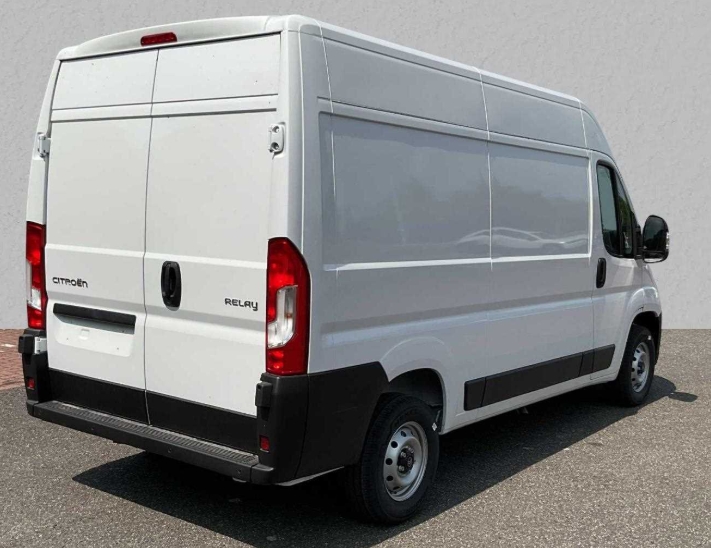
Citroën’s legacy in commercial vehicles dates back to the 1930s, with iconic models like the 2CV and Traction Avant setting benchmarks in versatility. The Citroën Relay, introduced in 2000, emerged as a modern successor to this heritage. It was designed to fill a niche between the Berlingo minivan and the larger Jumper (now called the JBL) van, offering a mid-size LCV that balances payload capacity with agile handling. The Relay was also marketed as a family-friendly vehicle, emphasizing comfort and space—hallmarks of Citroën’s design philosophy. Over the decades, the Relay has evolved to incorporate cutting-edge technology and sustainable solutions, cementing its status as a versatile workhorse.
First Generation (2000–2008): Establishing a Standard
The first-generation Citroën Relay (M-series) launched in 2000, available as a van or panel van. This generation set the foundation for the Relay’s reputation as a reliable and comfortable LCV.
Models and Trims
- Van: A basic model with a load area and minimal internal features, ideal for commercial use.
- Panel Van: Featured a fully enclosed cargo area, perfect for transporting goods securely.
Trims included Van, Comfort, Zen, and Professional, each adding incremental features. The top-tier Professional trim offered amenities like leather steering wheels, climate control, and advanced audio systems.
Engines
The initial lineup included a 2.0L HDi diesel engine producing 110 hp, later upgraded to a 2.2L HDi with 140 hp for improved performance. These engines prioritized fuel efficiency and low emissions, aligning with Citroën’s commitment to environmental responsibility.
Key Features
- Adjustable driving positions for driver comfort.
- Modular interior with folding seats and a load floor height of 66 cm for easy loading.
- Safety features like ABS and airbags.
This first generation garnered praise for its blend of European engineering and practicality, making it a favorite among small businesses and delivery services.
.

.
Second Generation (2008–2018): Refinement and Expansion
The second generation (N-series) debuted in 2008, introducing design enhancements and a wider range of models. Citroën also expanded the Relay’s appeal with improved tech and customization options.
Models and Trims
- Van and Panel Van: Retained as core models.
- Special Edition: Limited trims offered unique styling packages.
Trims evolved to include Van, Zen, Business, and Professional, with the Business and Professional trims adding premium features like rear parking sensors, Bluetooth connectivity, and alloy wheels.
Engines
The 2.0L BlueHDi diesel engines became standard, offering 115 hp and 140 hp variants. A 1.6L BlueHDi 100 hp engine was introduced for improved fuel economy, appealing to eco-conscious buyers.
Key Features
- A more robust chassis with enhanced ride quality.
- Interior upgrades, including a multi-function steering wheel and improved ergonomics.
- Optional features like satellite navigation and power-adjustable mirrors.
This generation solidified the Relay’s position as a versatile vehicle, balancing commercial utility with family-friendly comforts such as sliding side doors and a spacious cabin.
Third Generation (2018–Present): Innovation for the Future
The current third generation (P-series), introduced in 2018, represents a significant leap forward. With a distinct, SUV-inspired design and cutting-edge technology, the Relay remains a leader in the LCV segment.
Models and Trims
- Van and Panel Van: Retained for their proven utility.
- Chassis Cab: A modified version for custom builds, such as mobile workshops or ambulances.
Trims now include Van, Zen, Business, and Professional, with optional Lifestyle upgrades for those seeking a more premium experience. The Professional trim boasts a 10-inch touchscreen, Apple CarPlay/Android Auto, and advanced driver-assist systems.
Engines
- 1.6L BlueHDi: 100 hp or 120 hp, emphasizing efficiency with mild-hybrid technology.
- 2.0L BlueHDi: 140 hp and 170 hp, offering power for demanding tasks.
- 1.6L PureTech Petrol: A rare option for environments where diesel is restricted.
In 2023, Citroën introduced the e-Relay, a plug-in hybrid electric vehicle (PHEV) with a 37 kWh battery. This model marks the Relay’s entry into sustainable mobility, combining a 1.6L BlueHDi engine with an electric motor for all-electric driving and improved emissions.
Key Features
- A digital instrument cluster and 10-inch infotainment system.
- Advanced safety systems like Autonomous Emergency Braking (AEB), Lane Keeping Assist, and 360-degree camera.
- A roomy interior with adjustable seating and flooring for maximum flexibility.
The third generation’s design—featuring bold LED lighting and a raised stance—has garnered attention for its modern aesthetic, making it a standout in both urban and rural settings.
Trim Levels: A Breakdown
Trim levels across generations reflect Citroën’s focus on personalization:
- Van: A stripped-down version for commercial use, prioritizing payload over comforts.
- Zen: Adds climate control, USB ports, and basic driver aids.
- Business: Introduces premium features like leather seats, advanced audio systems, and parking sensors.
- Professional: The top-tier trim, offering full connectivity, adaptive cruise control, and luxury touches.
- Lifestyle (optional): Enhances interiors with upgraded materials and styling packages.
Each trim ensures buyers can tailor the Relay to their specific needs, whether prioritizing efficiency, tech, or luxury.
Future Outlook: Electrification and Beyond
As the automotive industry shifts toward sustainability, the Relay’s future will likely embrace electrification. Citroën has outlined plans to expand its electric lineup, and the e-Relay PHEV is a precursor to a fully electric model. The 50 kWh battery and 225 hp motor in the e-Relay offer a glimpse into how Citroën intends to merge power with eco-friendliness.
Additionally, future models may integrate autonomous driving features and enhanced connectivity, aligning with industry trends. Citroën’s strategic partnerships with battery manufacturers suggest a roadmap toward a zero-emission LCV by the mid-2030s. The Relay’s role as a middleweight LCV positions it perfectly for this transition, offering a flexible platform for both commercial and personal use.
The Citroën Relay has consistently delivered a blend of versatility, comfort, and innovation since its launch in 2000. From its early diesel-driven iterations to the cutting-edge hybrid models of today, the Relay exemplifies Citroën’s adaptability and vision. With a proven track record and a clear trajectory toward electrification, the Relay remains a vital player in the LCV segment, ready to meet the evolving needs of tomorrow’s drivers—be they entrepreneurs, families, or forward-thinking professionals.